LIVE: Daily Energy Markets Podcast 2026
Enjoy the videos and music you love, upload original content, and share it all with friends, family, and the world on YouTube.
Get the latest as our experts share their insights on global energy policy.
A House committee voted to allow the Advisory Committee on Reactor Safeguards (ACRS) to decline certain application reviews.
Hear in-depth conversations with the world’s top energy and climate leaders from government, business, academia, and civil society.
Permitting reform—to allow for faster approvals on new projects—is one thing that both climate advocates and energy developers have wanted for a long time. With demand for power...

Find out more about our upcoming and past events.
Putting data centers in space once seemed fanciful. Today, a growing number of companies have started doing so.

Conflict in Iran has major implications for US national security, Middle East geopolitics, and global energy markets. Follow this page as our scholars track the latest.
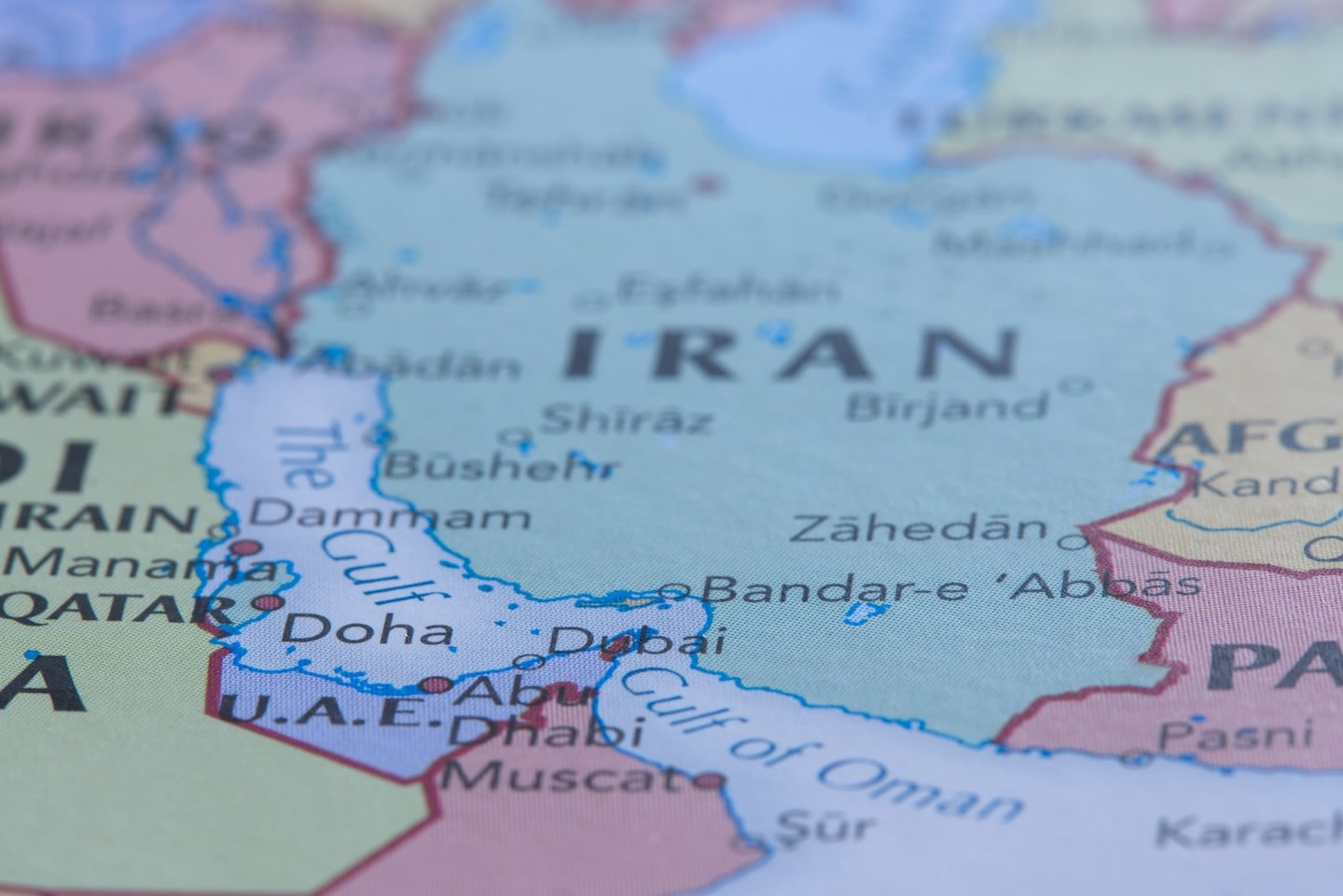
The Center on Global Energy Policy is providing live updates on key developments related to the Iran crisis. Check back here for the latest.
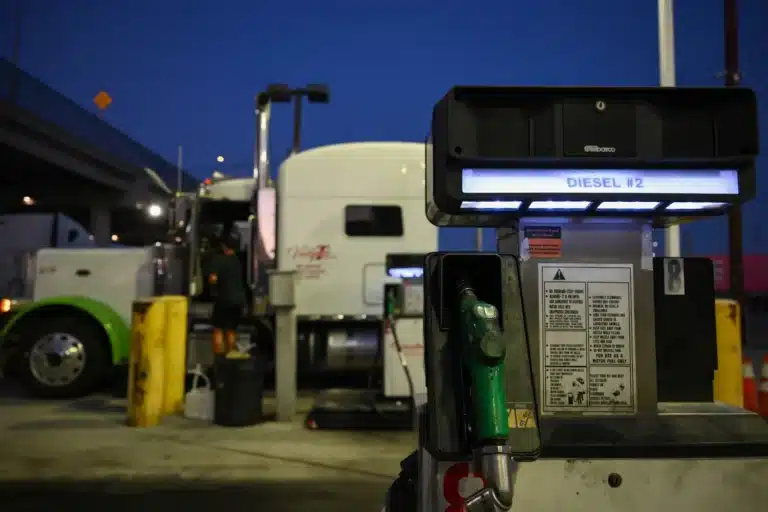
As inventories run dry and the Iran war continues to disrupt transit routes, oil has surged back to more than $100 per barrel. Diesel fuel—the workhorse of the agricultural and trucking sectors—has now soared to historic highs, pushing U.S. exports to record levels.
This week, Chinese President Xi Jinping travels to Washington for a state visit with President Trump, their second face-to-face meeting this year. Energy is likely to be high…

More than six months into the war with Iran, the Strait of Hormuz crisis continues to cause turmoil in the Gulf region and global energy markets with no…

Nearly a month after a ceasefire, the US-Iran deal seems to have all but collapsed as both nations have slipped back into active conflict. On Sunday, Tehran announced…

Yesterday, the US and Iran signed a memorandum of understanding starting the clock on a 60-day truce. The agreement intends to halt attacks, begin lifting the US naval…

The 109-day-old Iran crisis is heading toward an off-ramp in the form of a not-yet-public Memorandum of Understanding to reopen the Strait of Hormuz. While energy markets are…


The White House declared last week that President Trump finally “broke OPEC” after the United Arab Emirates withdrew from the cartel.
It’s been a head-spinning day in the Iran war. Earlier today, following a temporary truce between Lebanon and Israel, Iran announced that the Strait of Hormuz would be…

In March 2012, Israeli Prime Minister Benjamin Netanyahu arrived in Washington to press a US president on slowing Iran’s nuclear ambitions. Inside the White House, the dilemma was stark.
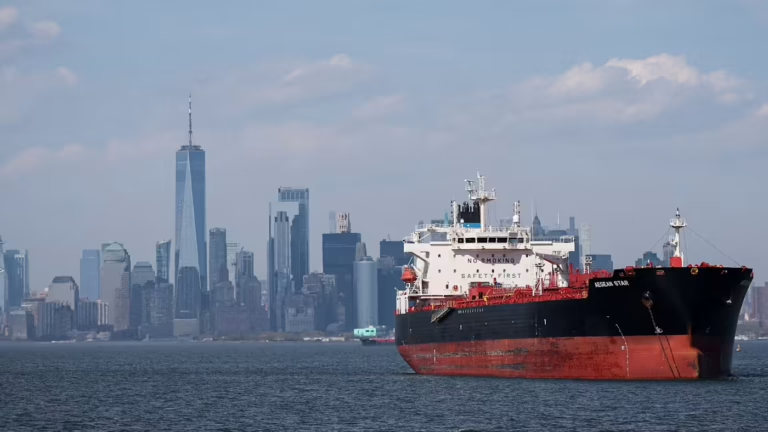
Within days of the initial U.S. and Israeli attack on Iran on February 28, 2026, the world was plunged into an energy crisis.
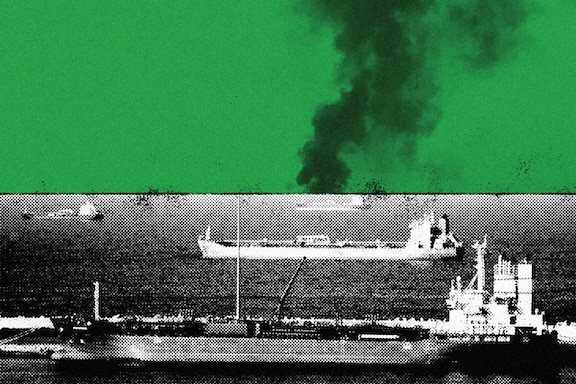
If you want to see just how bad this energy crisis can become, just read what President Trump and Iran are saying to each other.

Israel’s decision to attack Iran’s nuclear program on June 12 might go down in history as the start of a significant regional war, and the inflection point that led Iran to finally acquire nuclear weapons.

As inventories run dry and the Iran war continues to disrupt transit routes, oil has surged back to more than $100 per barrel. Diesel fuel—the workhorse of the agricultural and trucking sectors—has now soared to historic highs, pushing U.S. exports to record levels.
By almost any measure, the world should be suffering a far more severe energy crisis.
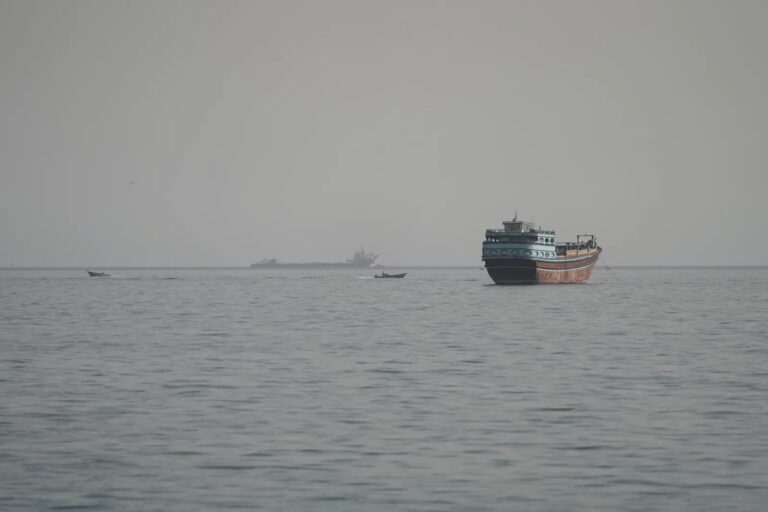
The ongoing disruption of oil exports through the Strait of Hormuz has caused a substantial decline in China’s crude oil imports.
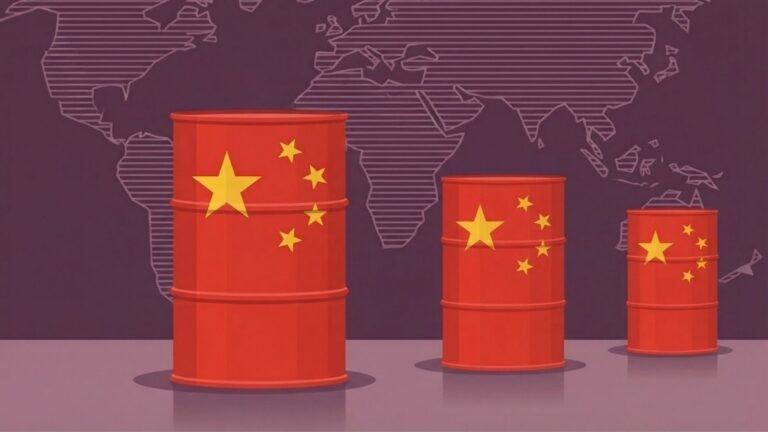

Many analyses of what the conflict in the Middle East means for China’s energy security have rightly focused on China’s oil and natural gas imports from the region.
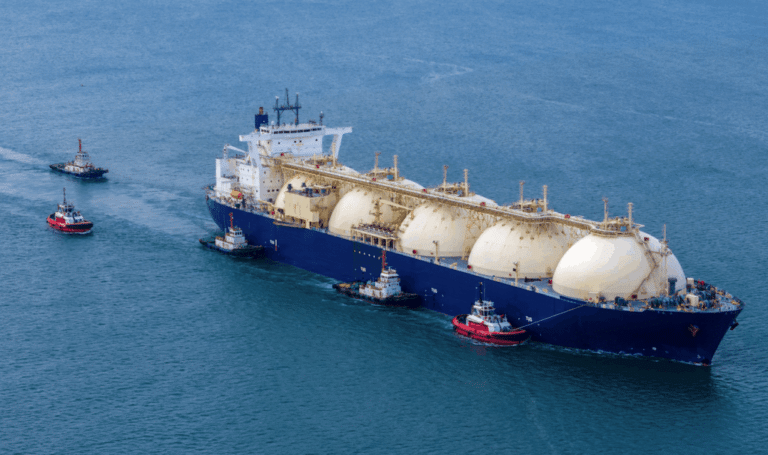
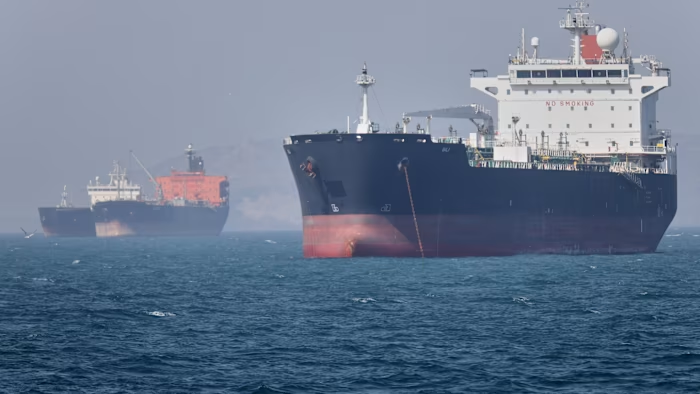
The US blockade of tankers serving Iran’s oil exports is intended to cut Iranian oil exports to near-zero.
When U.S. President Donald Trump announced that the United States was at war with Iran, he called on the country’s people to rise in revolt. “When we are finished, take over your government,” Trump said on February 28.
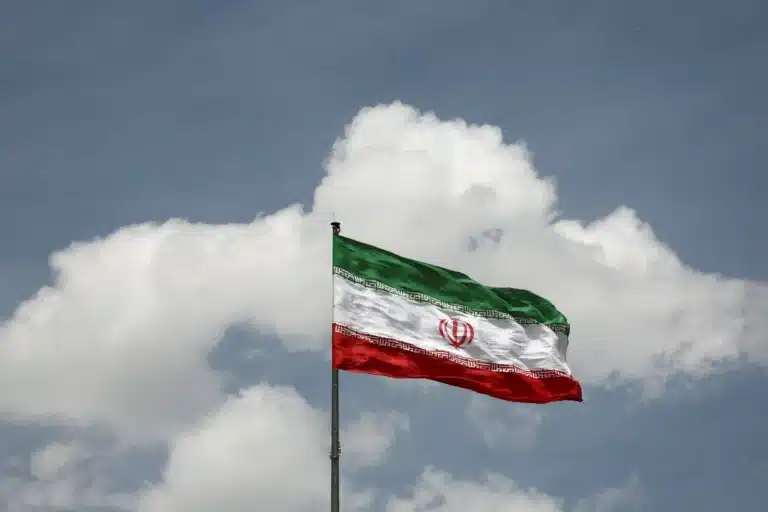
Iran has expanded its storage infrastructure over the past decade to levels that may be sufficient to handle up to two or three weeks of crude exports at pre-war levels.
Europe is entering the 2026 gas injection season with its lowest level of gas in storage since 2018.
In March 2012, Israeli Prime Minister Benjamin Netanyahu arrived in Washington to press a US president on slowing Iran’s nuclear ambitions. Inside the White House, the dilemma was stark.
The Iran war has disrupted Eastern Mediterranean gas production, exports, and development, threatened regional energy infrastructure, and increased political and investment uncertainty.
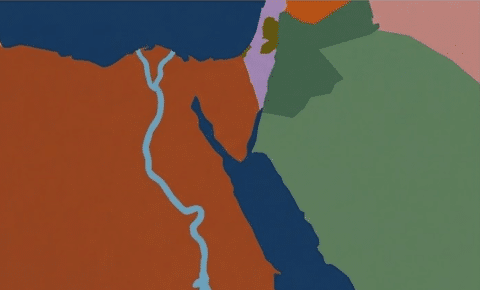
The US-Israeli war against Iran highlights the Gulf’s dual role as the backbone of global energy supply and a major source of systemic risk.
Almost 90 percent of the LNG that transited the Strait of Hormuz in 2025 was destined for Asian countries.
Within days of the initial U.S. and Israeli attack on Iran on February 28, 2026, the world was plunged into an energy crisis.
Energy has reemerged this year as a central force shaping our world—both a geopolitical weapon and an economic fault line.

The war in Iran has significantly enhanced Latin America’s geopolitical advantage as a reliable source of hydrocarbon resources.
The Iran conflict could increase the appeal of Russia as an energy supplier for China.
Media reports suggest the Trump Administration is considering restrictions on US oil exports.
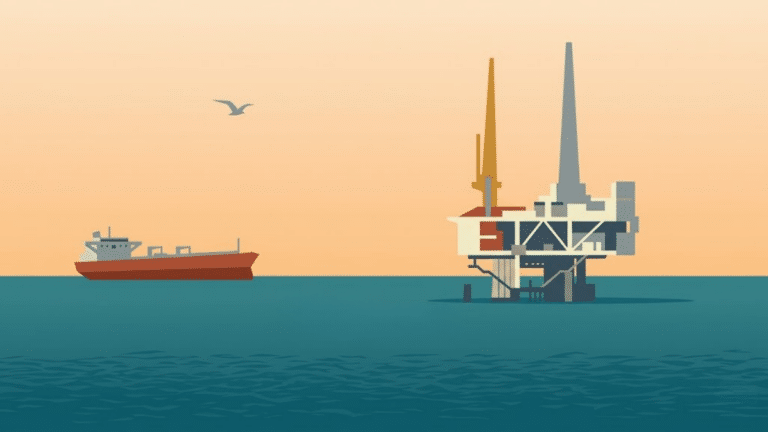
The US-Israeli attack on Iran and Iran’s retaliatory strikes against energy infrastructure directly impact China.

Iran has among the world’s largest natural gas resource bases, but its ability to supply regional and global markets is constrained by sanctions, underinvestment, and limited export infrastructure.
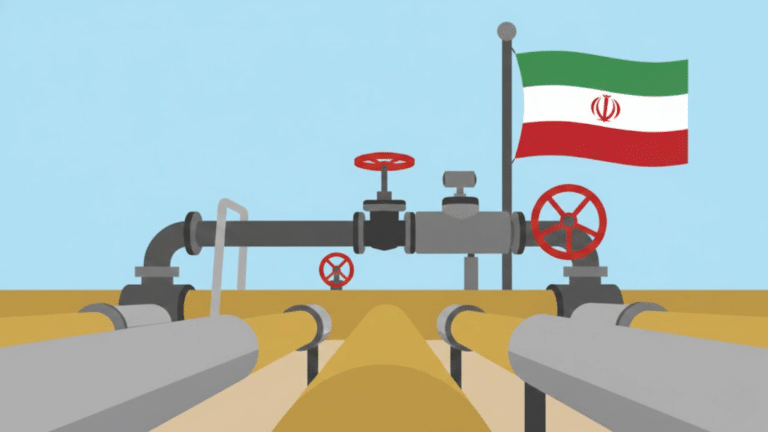
Multiple US–Iran conflict scenarios carry materially different risks for global oil infrastructure, transit routes, and prices.
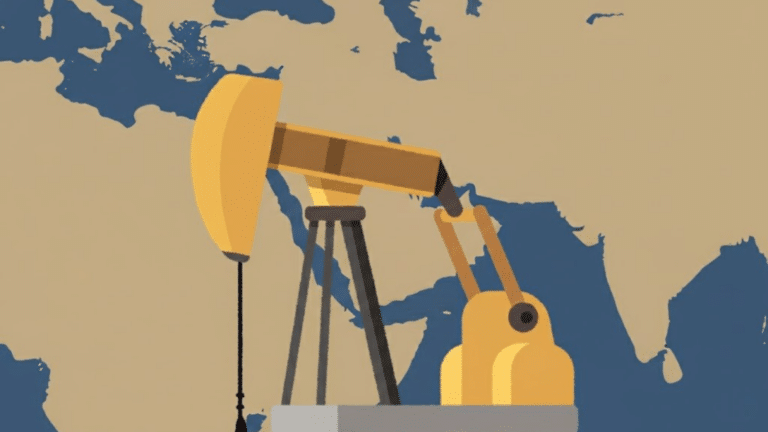
China’s crude oil imports hit a record-high 11.6 million barrels per day in 2025, as geopolitical tensions, low oil prices, and global oversupply spurred China to increase its oil stockpiles, a trend likely to continue in 2026.
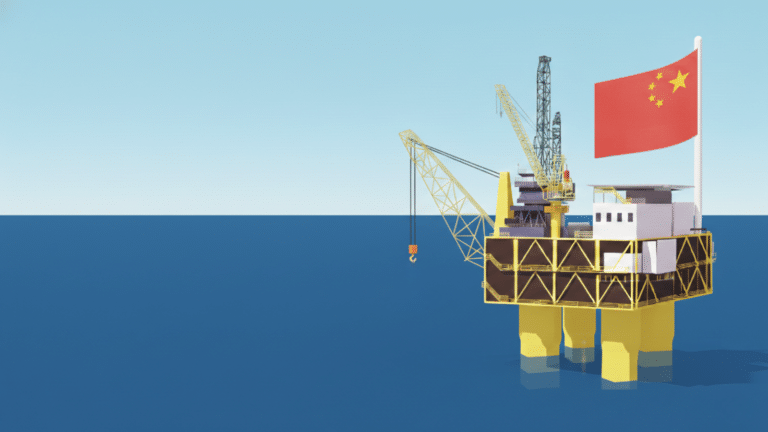
Iran appears to be a natural gas giant, due to its large proved gas reserves and significant gas production and consumption.
Houthi assaults test bin Salman as allies balk and economy weakens Allies hesitate as Houthi strikes strain Saudi defenses and undercut Vision 2030 As
بدأت صادرات الخام من الخليج تستعيد مستوياتها السابقة للحرب، غير أن سلعاً أخرى مهمة للاقتصاد العالمي، من الغاز إلى الأسمدة والهيليوم، تبدو أبطأ تعافياً الشرق بلومبرغ
Strait of Hormuz LNG cargoes hit their highest monthly total since the US-Iran war began in February, with 19 to 21 tankers exiting in September — still only one-fifth of pre-war levels. European
Mentre tutti guardano ai prezzi della benzina e del diesel, la crisi energetica colpisce anche il ben più sensibile mercato del gas, tra cause di forza maggiore e scorte che si assottigliano.
Oman, Pakistan, and Qatar are the rare mediators with a direct interest in ending a conflict.
Oil prices fell on Wednesday as US crude stockpiles rose, with fears of further escalation in the Saudi Arabia and Houthis conflict
The real divide isn’t who lost Qatari gas — it’s who could afford not to notice
Experts tell BBC Verify the pipeline’s closure could cut oil supplies by as much as 3.6 million barrels per day.
Enjoy the videos and music you love, upload original content, and share it all with friends, family, and the world on YouTube.
Washington leans on maritime pressure to force change on Iranâs Hormuz stance
QatarEnergy’s latest cancellations run into early November. Buyers in Europe and Asia are finding replacement cargoes, switching to other fuels or using less gas, while no one knows when LNG shipping through the Strait of Hormuz will return to normal.
Stream U.S./Iran War reaches six-month mark with no end in sight by ThisMorning on desktop and mobile. Play over 320 million tracks for free on SoundCloud.
Enjoy the videos and music you love, upload original content, and share it all with friends, family, and the world on YouTube.
Six months into the war with Iran, traffic through the world’s busiest oil route has fallen from hundreds of vessels a day to a handful and sent prices sharply higher.
Per definire la crisi dello Stretto gli analisti sono passati dalla metafora di Schrödinger alla ballata degli Eagles del 1976. Il punto critico riguarda l’approvvigionamento di gas, con una Europa a due velocità (e il nodo dei prezzi)
The administration said it’s targeting digital assets, technology, gold, aviation and shipping.
美国财政部长斯科特·贝森特(Scott Bessent)表示,华盛顿将对伊朗实施“史上最严厉的制裁”,并敦促北京配合美国施压。在中国仍是伊朗石油最大买家的背景下,外界关注美国下一步是否会把制裁重点从中国独立炼厂和油轮扩大至为相关交易提供结算服务的金融机构。
Petrol and diesel prices today — 20 Aug: Crude prices rose on 20 August due to escalating tensions in West Asia, particularly after the UAE severed ties with Iran. Check fuel rates in Delhi, Mumbai, Bengaluru and other cities here.
Lost supply and a projected demand rebound have placed the oil market in a fragile equilibrium.
While some data center investors finance giant “behind the meter” power plants, others are looking for steadier returns in regulated grids.
While a ban on oil and fuel exports could temporarily decrease prices, experts say benefits would be short-lived and cause long-term pain.
Karen Young, senior research scholar at the Centre on Global Energy Policy at Columbia University, joins BNN Bloomberg to discuss the energy sector.
“Iran seeks to establish its position in the emerging regional order as a determining power,” an Iranian analyst told Newsweek.
The US and Israeli attacks on Iran at the end of February led to the almost immediate cessation of LNG exports from Qatar and UAE through the Strait of Hormuz. Since then, production of LNG from Qatar and UAE has been sporadic, with some LNG tankers getting through the Strait and some delivering within the […]
A NATO expert told Newsweek the Egypt port strike may “spur concerns among Europeans that the Iran war is coming closer to them.”
America’s greatest rival is single-handedly averting a global energy crisis. No one knows how the country is doing it—or why.
Jamais le cartel des pays producteurs de pétrole n’a été en aussi grande difficulté. Un facteur d’incertitude de plus pour les marchés.
Kuwait’s oil output could drop as much as a quarter in July after an escalation in the US-Iran war effectively re-shut the Strait of Hormuz
إيران ربطت تفعيل إغلاق باب المندب بشرط عسكري محدد يتصل باستهداف بنيتها الكهربائية، ما يحوّل المضيق من خطاب دعائي إلى ورقة ردع قابلة للاستخدام.
Global oil demand is set to decline this year for the first time since 2020. The International Energy Agency expects a drop of about 1 million barrels per day by 2026.
Enjoy the videos and music you love, upload original content, and share it all with friends, family, and the world on YouTube.
The reopening of the Strait of Hormuz is allowing shipments of Qatar and other Persian Gulf country LNG cargoes. However, a debate rages over the potential for a glut of LNG to develop.
Karen Young, a senior research scholar at Columbia University’s Center on Global Energy Policy, says Secretary Rubio is visiting Gulf allies to reassure them their interests are represented in the deal – but that it might be a tough sell, amid worries that America’s commitment to the Gulf states is “not what it used to be.”
President Trump has ordered the DOJ to investigate oil companies over claims they are too slow to lower gas prices despite falling crude costs. Karen Young, senior research scholar at Columbia Universityâs Center on Global Energy Policy, called the move âpolitical theater,â saying thatâs ânot really how gasoline prices workâ in the U.S.
Oil prices continued to fall on Wednesday as easing fears of major supply disruptions and improving maritime conditions in the Strait of Hormuz weighed on
Oil extended losses during Asian trading hours on Wednesday as concerns over potential supply disruptions eased, while investors monitored developments in the Strait of Hormuz. International benchmark Brent crude futures for August fell 0.91% to $76.38 a barrel. U.S. West Texas Intermediate futures for August dropped 0.94% to $72.52 per barrel. U.S. President Donald Trump on Wednesday criticized oil companies for not lowering […]
Trump accused major oil companies of ‘gouging’ Americans in a late-night Truth Social post, demanding the Justice Department investigate why gasoline pump prices have not fallen faster.
U.S. President Donald Trump and Vice President JD Vance say their interim deal to end the war with Iran will deliver a financial windfall to American farmers.
The US pledge to allow crude exports from Iran under an interim peace deal may fuel a regional race to balance a supply rebound and prices
I spoke with @ProfessorKaren, a senior fellow at the Middle East Institute and a senior research scholar at Columbia’s Center on Global Energy Policy, about the impact of the US-Iran agreement on global energy supplies: https://t.co/0WfC7MJWzf
Negotiations between the U.S. and Iran come after the two nations signed a memorandum of understanding establishing a 60-day ceasefire.
The diplomatic breakthrough between Washington and Tehran is a potential gamechanger for Iranâs war-battered economy, former Trump energy secretary Dan Brouillette told CNN in an exclusive interview.
Karen Young, Columbia University, joins ‘Power Lunch’ to discuss the latest agreement between the U.S. and Iran, what could terminate the MOU and much more.
Even if Trump’s war on Iran has finally ended, the economic consequences will continue to harm American households for years to come.
Wall Street is looking favorably on the prospects for a US-Iran peace deal.
Markets took well to a deal to end the war between the US and Iran, but regional economies and companies await its implementation
Already, some shipping companies have made it clear that they will wait until the deal is formalized on Friday before attempting to cross the Strait. Even for
There’s a big difference between reopening the Strait of Hormuz on paper and actually resuming the flow of oil through it.
Explore the uncertainties in the global LNG market following a preliminary peace deal in Iran. Despite hopes for reopening the Strait of Hormuz, concerns about LNG supply disruptions and demand fluctuations persist. Discover insights on global natural gas prices, Qatar’s production plans, and the long-term implications for energy markets in our latest analysis. Stay informed about the evolving landscape of LNG amidst geopolitical tensions.
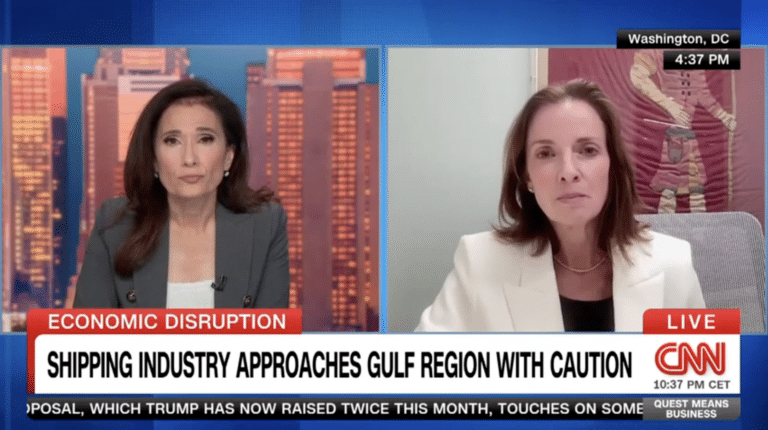
Oil and gas flows through the Strait of Hormuz may take months to recover even if the U.S.-Iran deal is finalized.
Opening the Strait and removing the mines are only the start.
And it’ll take energy markets even longer.
Squeezed in the north-west of the Gulf, Kuwait is relying on its neighbours and its trading arm to get its supply to market
أعلنت دولة الإمارات عن خطة للتحرر الكامل من مضيق هرمز، ومن هنا تكتسب بدائل التصدير أهميتها؛ فالمسارات نحو الفجيرة وميناء ينبع لم تعد مجرد حلول لوجستية.
Natural gas and LNG play a pivotal role in the global energy mix, making them crucial tools in addressing supply-demand imbalances. Recent disruptions in the
Something weird is happening in China.
Something weird is happening in China.
Oil rose by the most since early May as traders priced in signals that energy flows out of the Middle East could be curtailed further.
“You can debate whether that’s going to hit those really low levels in two weeks or three weeks. Once you get to that point, then you’ll see price shoot up.”
Strategic petroleum reserves are declining rapidly as countries release emergency crude supplies to cushion the economic impact of the Middle East conflict.
Europe and Asia are facing fuel shortages. The U.S. is in a fuel deficit. Some experts say the Iran War has caused the largest energy security threat in history. And it’s about to get worse.
The face of carbon removal is changing from large-scale megaprojects to more focused and modular approaches as prices rise and priorities shift.
Jason Bordoff from Columbia University, formerly at the US National Security Council under the Obama administration, says Iran has high tolerance for navigating the impact of the Strait of Hormuz closure. He also says global inventories and rerouted fuel flows are temporarily cushioning the disruption from the war, but warns prices will rise sharply once those buffers run down and demand destruction sets in.
The energy crisis is a financial nightmare for Main Street and a political nightmare for the White House.
CARTE – La fermeture quasi totale de ce passage clé pour sortir du golfe Persique relance l’intérêt pour les nombreux projets alternatifs. Nouveaux pipelines, liaisons ferroviaires et routières… Tout est imaginé pour contourner le blocus.
Reps. Brad Schneider and Craig Goldman raised ideas for how Congress could assist, including diversifying energy routes
Enjoy the videos and music you love, upload original content, and share it all with friends, family, and the world on YouTube.
With markets surging and the crucial waterway still closed, Rob seeks clarity from the founding director of Columbiaâs Center for Global Energy Policy, Jason Bordoff.
A few hundred miles from where Chinese leader Xi Jinping will roll out the red carpet for President Donald Trump this week, a shadowy ecosystem has long been at work pumping billions of dollars into Iranâs economy â now helping keep Tehran afloat in defiance of the US.
Frappés par la flambée des prix du pétrole, les pays en développement cherchent à réduire leur dépendance en diversifiant leurs approvisionnements et leur production d’énergie.
Experts and lawmakers say the Trump administration still has options to help curb rising gas prices across the U.S.
De blokkade van de Straat van Hormuz maakt pijnlijk duidelijk hoe kwetsbaar de energievoorziening van Europa is. Benzine is duur, kerosine dreigt schaars te worden en de vraag is of Nederland deze winter voldoende aardgas kan inkopen. Voor EW Magazine interviewde ik vijf experts over wat de Iran-oorlog betekent voor
Crude oil sales, at record highs, are making the country a net exporter for the first time since World War II
“The new normal will not look like the old one,” an expert told Newsweek.
WASHINGTON — The U.S. military blockade of Iran’s ports will eventually deprive Tehran of crucial oil revenue, but the regime could likely withstand the pressure for months without a major economic crisis or lasting damage to its oil fields, energy industry analysts and two Western officials familiar with intelligence assessments told NBC News
Commentators say it will take years or even decades to repair the damage.
The vessel’s commission suggests that Iran’s energy sector and oil storage capacity are facing a crisis, as the US Navy continues to block the passage of tankers carrying Iranian oil out of the Gulf.
As U.S. and Israeli strikes on Iran continue, Iranian Foreign Minister Abbas Araghchi said in an interview with NBC News that Tehran would not close the Strait of Hormuz. However, the waterway has been almost effectively shut down by the war. Commercial ships and oil and gas tankers have chosen not to pass through it,…
The price of a gallon of regular gasoline climbed 31 cents in the past week, spiking to an average of $4.48 per gallon Tuesday, according to AAA.
Defiant Iran has threatened to double down on its closure of the Strait of Hormuz.
Las refinerías pequeñas e independientes chinas procesan el crudo de países como Venezuela, Irán y Rusia, países que están bajo sanciones para evitar que lo vendan. Y lo compran a precios muy reducidos.
Transportation Secretary Sean Duffy & Sen. Jack Reed (D-RI) will be on “This Week” airing on Sunday, May 3, 2026.
The conflict may be the beginning of the end of fossil fuel dominance. Here’s which energy sources stand to win and lose.
Richard Nephew, a senior research scholar at the Center on Global Energy Policy at Columbia University, said that Iran can endure longer than the US may expect
« La guerre au Proche-Orient est en train de générer la plus importante rupture d’approvisionnement en pétrole de l’histoire », déclare le 16 mars 2026 le directeur général de l’Agence internationale de l’énergie (AIE), M. Fatih Birol. Son discours vise à annoncer la mise sur le marché de pétrole tiré des réserves stratégiques des pays membres de l’organisation. Il s’agit de la cinquième mobilisation de ce type depuis la création des stocks, mais la plus importante de l’histoire.
The U.S. and Iran are locked in a standoff that will only break when one side decides it can no longer tolerate the pain. Who will move is unclear.
High prices at the pump pose a direct hit to many Americans’ wallets, and are a driver of other costs. Some GOP strategists worry that even if the Iran war ends soon, voters may not feel an improvement in their finances before the midterm elections.
The back and forth between the US and Iran continues with both sides asserting their control in the war.
Crise escancarou dependência estrutural desses recursos e a dificuldade de se dissociar de um sistema tão enraizado na economia mundial
Experts predict Iran could gradually scale back oil production if the US naval blockade of Hormuz persists.
The war’s ripple effects have exacerbated conflicts, economic insecurity, and regional tensions around the world, including in Ukraine, Sudarsan Raghavan writes.
International Business News: The Donald Trump administration’s step to sanction one of China’s largest privately owned refiners over its links to Iran will have implications beyon.
Jason Bordoff, Founding Director of the Center on Global Energy Policy at Columbia University, discusses the state of play in the energy market as US, Iran t…
Desde el inicio de las operaciones militares en Irán el pasado 28 de febrero y el efectivo cierre del Estrecho de Ormuz, por donde transita el 20% del petróleo mundial y el 33% de los insumos para fertilizantes, la mirada de las potencias industriales se está desplazando discretamente de las arenas de Oriente Medio hacia las cuencas de América Latina.
Speaking to Becky Anderson on Connect the World, Economist Karen E. Young says the Gulf is no longer moving as one, with the war creating clear winners and losers.
“Bloomberg: The Asia Trade” brings you everything you need to know to get ahead as the trading day begins in Asia. Bloomberg TV is live from Sydney with Haid…
Traffic through the Strait of Hormuz has come to a virtual standstill since the U.S. and Israel attacked Iran almost two months ago. Around 20% of the world’s petrochemical production normally flows through the strait, and the ripple effects of the drastic cut grow daily. To explore the downstream effects and the turbulent time ahead, Geoff Bennett spoke with Karen Young.
Algeria and Libya are working to boost oil and gas output as their long-standing efforts in this domain gain urgency amid the Iran conflict
As Iran again closes the Strait of Hormuz after a brief reopening, energy analyst Arjun Murti tells World Oil that markets may be misreading the situation, with no clear “open” or “closed” outcome in sight.
The US has issued a short‑term waiver enabling sales of sanctioned Russian oil at sea. Critics say the move lifts Russian revenues and weakens sanctions enforcement.
“LNG shipments to Central & Eastern Europe are reliable as long as those gas markets are not overly dependent upon one supplier.”
As rising oil prices make the case for renewables, experts say the World Bank and IMF must accelerate the shift to solar and wind or risk.
China is Iran’s most important ally, but it lacks the full diplomatic and economic leverage to force Tehran to make concessions, according to experts who spoke to RFE/RL.
NPR’s A Martinez asks global energy expert Jason Bordoff about the U.S. blockade of Iranian ports, and whether Iran and other Gulf nations can find an energy export workaround.
If the Strait of Hormuz completely reopens, it still might not be enough to restart the economies in the Persian Gulf. Many countries there have been hammered by the oil crisis. And although allowing ships through would stanch the immediate bloodletting in the energy sector, other sectors might not spring back so quickly. Tourists are visiting less. Property markets are at risk. On today’s show, we survey the economic damage to countries in the Gulf. And try to get a sense of the long-term economic implications. The Indicator is launching a newsletter! The very first email goes out this Friday. Be among the first and sign-up now: npr.org/newsletter/indicator Come see Planet Money live on stage! 12 cities. Details and tix here: planetmoneybook.com/#tourRelated episodes: Think the oil shock is bad in the US? Look hereHow are drivers riding out the gas crisis? Will Trump’s shipping insurance plan work?For sponsor-free episodes of The Indicator from Planet Money, subscribe to Planet Money+ via Apple Podcasts or at plus.npr.org. Fact-checking by Sierra Juarez. Music by Drop Electric. Find us: TikTok, Instagram, Facebook, Newsletter.
The U.S. blockade is working, but a potential global recession still looms.
Chinese President Xi Jinping made a rare public comment on the war in the Middle East.
“Io penso che sia necessario sospendere il bando che scatterà il primo gennaio 2027 sui 20 miliardi di Gnl (gas naturale liquefatto, n.d.r.) che vengono dall…
For some, the impact is already being felt but others remain in limbo over their energy security and are hostage to an unlikely de-escalation
Welcome back to the MBN Iran Briefing. This week: Why Hungary’s ousted leader was Iran’s best friend in Europe. The talks in Islamabad fail to yield a result. And the world holds its breath as the U.S. and Iran stare each other down in the Strait of Hormuz. Meanwhile, the children of the Iranian elite…
The blockade could inflict severe damage to both the Iranian and US economies
The U.S. announced a naval blockade of Iran, driving oil prices higher and drawing concern from allies and analysts.
With Qatar’s liquefied natural gas still offline, U.S. companies see an opening and are bringing in new investments.
Powered by SnapStream Cloud Sharing
What could the United States’ blockade in the Strait of Hormuz look like and what impact might it have? Here’s what to know.
An end to Iran conflict is over will bring oil prices down, but Karen Young, a Senior Research Scholar at Columbia Universityâs Center on Global Energy Policy, believes this could take a very long time, and variables make the recovery unpredictable.
President Donald Trump said the U.S. Navy would stop ships from entering or leaving the Strait of Hormuz, after U.S.-Iran peace talks in Pakistan ended without an agreement.
Some residents in Dubai insist life is going on as normal in the eternally-sunny emirate during the Iran war. Others proclaim the “Dubai dream” over, never to be recovered. Who’s right?
En raison des séquelles de la guerre en Iran, en pariant sur une paix durable, il va falloir plusieurs mois pour que les niveaux de production d’avant-guerre des pays de la région soient retrouvés
Avant la guerre, il était impensable qu’un pays fasse payer le transit dans le détroit d’Ormuz.
Consumers remain vulnerable to price spikes despite record domestic oil and gas production. But experts doubt the crisis will boost clean energy, absent strong policy.
Stand: 9. April 2026, 11:00 Uhr MESZ Eine Art Schrödinger: Die StraÃe von Hormus ist gleichzeitig offen und geschlossen Im Lloyd’s List Intelligence Briefing vom Morgen des 9. April wird festgestellt, dass die StraÃe von Hormuz gleichzeitig offen und geschlossen sei. Richard Meade, der das Briefing leitete stellte fest: âJe nach geographischer und geopolitischer Position […]
Even with this shaky ceasefire between the U.S. and Iran, some warn the energy infrastructure in the Middle East will take months to recover, and prices may not drop as much as hoped. William Brangham discussed more with Jason Bordoff, the founding director of the Center on Global Energy Policy at Columbia University.
NatGas Futures Fall on Ceasefire, but Physical LNG Flows Face Lengthy Road to Recovery. Get expert analysis on the impact of the U.S.-Iran ceasefire on natural gas prices, LNG production, and global energy markets. Explore the latest developments and future outlook for the industry.
That waterways — including straits — have a way of deciding which countries rise and which ones fall was a “known known” of history long before the Strait of
The U.S. and Iran have agreed to a two-week ceasefire after President Trump threatened Iran’s “whole civilization will die.” Secretary of Defense Pete Hegseth has not ruled out U.S. military action to acquire nuclear material inside of Iran. Co-host of MS NOW’s “The Weekend” Jackie Alemany has the latest from outside the White House. MS NOW Contributor Inzamam Rashid, Senior Research Scholar for the Columbia Center on Global Energy Policy Richard Nephew and retired four-star U.S. Army General Barry McCaffrey join Alex Witt with analysis of the conflict.
Enjoy the videos and music you love, upload original content, and share it all with friends, family, and the world on YouTube.
Les infrastructures énergétiques sont désormais au cœur de la guerre au Moyen-Orient. Celles qui ont été attaquées ne pourront pas refonctionner normalement avant “une longue période, voire des années”, selon Anne-Sophie Corbeau, chercheuse spécialiste de l’énergie.
L’Asie du Sud-Est est la première victime énergétique de la guerre au Moyen-Orient. Très dépendant du gaz, le Vieux-Continent a aussi du souci à se faire, alertent des experts, qui craignent que la menace à venir, surtout gazière, ne soit sous-estimée
Ecoutez la radio France Info en direct et suivez le fil de l’information en ligne toute la journée, retrouvez les journaux, toutes les émissions et les chroniques en temps réel et en continu
Israel has again attacked Iran’s South Pars natural gas and petrochemical complex – an energy lifeline for Iran that both helps keep the lights on for civilians and provides a key source of export earnings.
Discover how the Middle East conflict is causing ‘dual shock’ in global energy markets, leading to delays in LNG oversupply and threatening commodity prices. Learn more from Anne-Sophie Corbeau at Columbia University’s Center on Global Energy Policy.
Drones are the future of warfare, and the United States needs to catch up.
Bloomberg reported that in
As oil prices spike, governments are slashing fuel use and eyeing renewables — threatening to erode global demand for fossil energy.
Gov. Hochul’s reliance on fossil fuels may end up costing more than renewables, clean energy advocates say.
The UAE’s acquisition of a US natural gas pipeline owner this week shows it is doubling down on foreign energy assets
NGI’s Hub & Flow is a podcast for busy natural gas professionals interested in North American energy markets. Join Natural Gas Intelligence’s trusted reporters, editors and analysts as they discuss what drives supply and demand fundamentals, prices and movements in the natural gas and LNG markets in the United States, Canada and Mexico.
The US president said he’ll bring Iran “back to the Stone Age” but gave no detail on ending the war.
Today we greatly enjoyed hosting Dr. Tatiana Mitrova, Global Fellow at the Center on Global Energy Policy, Director of the New Energy Advancement Hub, and Senior Research Fellow at the Oxford Institute for Energy Studies.
Global leaders have been scrambling to contain the rising cost of oil and gasoline since the start of the Iran war.
Enjoy the videos and music you love, upload original content, and share it all with friends, family, and the world on YouTube.
Donald Trump has told the UK to “go and get your own oil” from the Strait of Hormuz as Iran continues to block the crucial energy chokepoint and as reports circulate that the UK is to receive its last tanker of jet fuel from the Middle East this week.
The bombardment of Iran has caused an enormous commodity-supply shock, prompting an accelerated global rush to greener energy sources.
As the U.S.-Iran war nears the one-month mark, the fragile global oil market has emerged as a key weapon in Iran's arsenal — and some shipping and insurance experts don't expect the situation to return to normal until the conflict winds down.
Analysts fear Iran has played a weak hand well and the US has blundered into a defining strategic failure
Helium has emerged as a key focus for the tech sector as industry watchers cast their minds to the implications of a prolonged Iran war.
High oil prices are boosting the Kremlinâs coffers, helping plug a budget hole and sustain the war effort in Ukraine. But beyond oil, a global scramble for natural gas and fertilizer supplies, also choked off by the Iran conflict, could further boost Russiaâs financial gains.
The president is discovering the high stakes of an escalation that damages energy facilities.
Thanks Australian Broadcasting Corporation (ABC) and Patricia Karvelas for having me on your program yesterday. Countries all over the world are thinking about energy security, national strategic reserves and the best, affordable way forward. Center on Global Energy Policy Middle East Institute
As higher energy prices ratchet up projections for inflation, Becky Anderson speaks to Karen Young from The Center on Global Energy Policy at Columbia University about different inflation scenarios.
Debt-stressed developing countries are the most vulnerable to soaring oil prices.
Officials in Tehran have drafted legislation to create a toll system where ships pay for safe passage through the waterway, Iranian media reported.
Here’s what to know about how the current crisis could shape the expansion of renewable energy
The war in the Middle East has shaken global energy markets over the past few weeks. Given the volatility of fossil fuels, could this be the push countries need to invest more in renewable energy?
Karen Young, Senior Research Scholar at Columbia University’s Center on Global Energy Policy, says that more damage will need to be inflicted before Saudi Arabia and the UAE join the U.S.-Israel strikes on Iran, and she expects oil prices to remain in $80-100 range through 2027.
Araghchi leads Iran–US backchannel as hardline pragmatist shapes talks Tehrans Abbas Araghchi fronts covert outreach to Washington while doubling down
The war with Iran could change how the whole world thinks about energy security in the future. The energy policy expert Jason Bordoff explains.
Tehran has shut down the Strait of Hormuz and chokes off the flow of oil and gas from the Middle East. Faced with new pressure on its gas supplies, talks between China and Russia over the expensive gas pipeline are poised to pick up again.
An Iranian source told CNN that there had been âoutreachâ between the US and Tehran and that Iran is willing to listen to âsustainableâ proposals to end the war. Meanwhile, Israel and Iran continue to trade strikes. Follow for the latest live news updates.
Even once the war ends, it will take time to get back to normal energy flows.
Energy supplies were already tight and prices were soaring due to the closure of the Strait of Hormuz, a key shipping channel through which about a fifth of the world’s oil typically flows. But recent strikes on oil and gas infrastructure are exacerbating the problem — and specifically creating issues for global natural gas prices.
The Iran war is adding impetus to reconciliation efforts between Armenia and Azerbaijan, as the region seeks to position itself as a new trade corridor between Europe and energy-rich central Asia, with…
Israel’s strike on the world’s largest natural gas field could impact Iran’s energy sector and nearby Gulf states, experts told ABC News.
Trump administration officials are making a desperate push to secure every available barrel of oil amid a worsening energy crisis â even if it means lifting sanctions on the very country that theyâre fighting against.
Facing a MAGA fracture, angry voters and upset allies, the president appears ill-prepared to manage the widening fallout of the war and without a road map out.
International Business News: Is an Armageddon scenario about to play out? Europe and Asia are facing a nightmare scenario with the escalating crisis in the Middle East now increas.
Anne-Sophie Corbeau, chercheuse au Centre global de politique de l’énergie à l’université Columbia, est l’invitée de RFI ce 20 mars 2026. Alors que les frappes au Moyen-Orient visent des infrastructures…
Qatars LNG Facility Damage Forces 3-5 Year Repair, Contract Cancellations Attacks on Ras Laffan disrupt global supply, triggering force majeure on con
Israel’s strike on South Pars and Iran’s attack on Ras Laffan escalate energy crisis, deepen regional tensions.
President Donald Trump says he knew oil prices would go up because of the Iran war as the conflict underscores the risks of his relentless focus on fossil fuels while pursuing what he calls American energy dominance.
The U.S. President said Israel will stop attacks on the South Pars gas field, but the U.S. will launch its own if Iran continues to retaliate against other countries.
President Trump is weighing a seizure of Iran’s critical oil depot on Kharg Island in a bid to force Tehran’s hand and open the Strait of Hormuz. Such a move, which would require U.S. boots o…
Bill McKibben on the U.S.’s increasing reliance on “greener” defense options, such as inexpensive small drones versus large, costly missiles.
Iranian state media say Israel attacked Iran’s South Pars gas field, part of the the largest in the world. It’s shared with Qatar to the south across the Persian Gulf.
Tushar Gagerna, an Indian marketing professional based in Dubai, had been waiting for two hours for his plane to take off from
Roughly 61 million people in the Gulf rely on established food supply chains, many of which have been upended since the United States and Israel launched their attack against Iran on Feb. 28.
Rising oil prices amid the US-Israel war on Iran are pushing nations to readjust their energy policies.
“I think that the new leadership under Mojtaba might be willing to take more risks,” a former Israeli official told Newsweek.
Jason Bordoff, Founding Director of Columbia University’s Center on Global Energy Policy and energy policy advisor to President Obama, sees oil prices going “significantly higher” with prolonged closure of the Strait of Hormuz, as the US does not have a policy tool large enough to deal with the ongoing disruptions.
U.S. Strikes Irans Strategic Oil Hub Kharg Island Airstrikes on critical export terminal risk global oil disruptions, economic fallout for Iran The U.
As the Middle East conflict enters its third week, global energy markets remain on the edge. In this episode of the Energy Connects Podcast, host Chiranjib
President Donald Trump claimed that Iran essentially shutting down the Strait of Hormuz “doesn’t really affect” the United States the way it does “other countries.” It’s true that a small share of U.S. oil imports comes from the Persian Gulf. But the U.S. has been affected by the global increase in the price of oil.
CFR President Michael Froman discusses the unfolding global energy crisis with CFR’s Dan Poneman and the Center on Global Energy Policy’s Jason Bordoff, all of whom worked together on the U.S. Strategic Petroleum Reserve 2011 release.
The conflict threatens to deflate global confidence in natural gas as President Donald Trump hopes to expand U.S. exports.
As countries scramble to secure oil, gas and fertilizer, China’s bets on clean energy and coal are cushioning its dependence on oil and gas imports.
In the wake of the war in Iran, oil prices have shot up for everyone. But not all oil is exactly equal. And, obviously, a lot of Iranian oil goes to China specifically.

The Middle East’s energy infrastructure was not designed for this type of crisis, and the damage might long outlast the war.
President Donald Trump claimed that Iran essentially shutting down the Strait of Hormuz “doesn’t really affect” the United States the way it does “other countries.” It’s true that a small share of U.S. oil imports comes from the Persian Gulf. But the U.S. has been affected by the global increase in the price of oil.
As Brent crude approaches $100 a barrel, clean energy advocates say the Hormuz crisis is the latest proof that fossil fuel dependence leaves consumers at the mercy of distant wars.
South Africa is showing no sign of caving to US pressure or insults, despite growing anger over its continued support for Iran.
The US and Israel’s war on Iran has caused oil and gas prices to soar, with the world now preparing for the possibility of another energy crisis.
The knock-on effects of the Israeli-US war on Iran have shaken the core of Gulf Arab states’ security and economic stability. Iranian retaliatory attacks have quickly broadened to include civilian and energy infrastructure in the Arabian Peninsula. In addition, several Iranian attacks on commercial vessels have effectively blockaded the strategic Strait of Hormuz, a transit point for one-fifth of global seaborne crude exports. Among the Gulf Cooperation Council (GCC) member states, Qatar has proven to be especially vulnerable. Its energy exports are dependent solely on…
Rising energy prices threaten to stoke inflation and hobble economic growth in countries around the world.
The race to find cheap energy is on.
The regime’s attacks on tankers and refineries could reverberate through the U.S. economy ahead of midterms.
Why war-driven oil volatility is strengthening the case for renewables and storage A tanker does not need to explode for society to feel the blast. Sometimes the shock arrives more quietly. First as a …
Saudi Arabia’s push to attract FDI for its Vision 2030 economic plan faces new uncertainty as the Iran conflict spreads across the Gulf
Oil market turmoil from the Middle East conflict may reinforce Beijing’s push for renewables, electric vehicles and energy self-sufficiency.
China is not feeling the shock of war in the Middle East – yet. But it is feeling the ripples.
The U.S.-Israeli campaign will have, if anything, bigger implications for liquified natural gas.
As the U.S. and Israel attack Iran, a long-term closure of the Strait of Hormuz is driving fears over a severe increase in oil prices.
Many consider a widespread war in the Middle East the worst-case scenario for the global oil and gas market. That war is here, and it could have wide-ranging, long-lasting impacts on energy and climate policy. This week on Zero, Akshat Rathi speaks with Jason Bordoff to try to understand what those impacts could look like.
China imports roughly half of its oil from the Middle East.
Oil prices jumped after the United States and Israel attacked Iran. Experts say the effects on oil and gas prices will depend on how long the war lasts and whether Iran damages energy infrastructure.
The war with Iran comes at a time when prices at the pump are already up 10 cents per gallon on average since the beginning of February.
Oil prices on the first day of the war spiked less than analysts anticipated.
Escalating conflict between the United States and Iran is expected to cause major disruptions in the natural gas market, according to Bloomberg on June 1 (local
The U.S.-Israeli war with Iran, a major oil producer, threatens to impact oil and natural gas markets worldwide.
US and Israeli strikes on Iran, and Tehran’s response, reshapes the region’s oil, LNG and Hormuz shipping.
Representatives for the U.S. and Iran will meet in Geneva Tuesday for a second round of nuclear talks as the U.S. builds up military forces in the region.
“I think there is a gap between the U.S. and Israel,” a former Israeli official told Newsweek.
As the military confrontation between Iran and Israel intensifies, what is Israel’s real endgame?
Christof Ruhl, Senior Research Scholar, Center on Global Energy Policy, Columbia University, spoke to the Global Business Report about the impact of the Isra…
New rounds of military strikes won’t make the region more stable, but a nuclear agreement could.
Seven months into the largest oil supply disruption in history, there’s still no resolution in sight. This week, on the sidelines of the UN General Assembly, US and Iranian officials held their first indirect talks since the Memorandum of Understanding collapsed in July—but neither side appears ready for concessions.

This week, Chinese President Xi Jinping travels to Washington for a state visit with President Trump, their second face-to-face meeting this year. Energy is likely to be high…
More than six months into the war with Iran, the Strait of Hormuz crisis continues to cause turmoil in the Gulf region and global energy markets with no…
Nearly a month after a ceasefire, the US-Iran deal seems to have all but collapsed as both nations have slipped back into active conflict. On Sunday, Tehran announced…
In the 23 days since the US and Iran agreed to a ceasefire, strikes have returned, following a familiar pattern: Iran attacks vessels using an internationally backed sea…

Yesterday, the US and Iran signed a memorandum of understanding starting the clock on a 60-day truce. The agreement intends to halt attacks, begin lifting the US naval…
The 109-day-old Iran crisis is heading toward an off-ramp in the form of a not-yet-public Memorandum of Understanding to reopen the Strait of Hormuz. While energy markets are…
The Iran crisis is in its 80th day. Right now, roughly 1,500 vessels laden with oil, natural gas, fertilizers, and oil products sit trapped in the Persian Gulf…

In moments of geopolitical crisis, energy is never just a backdrop. It’s often at the center of the story. Today, as conflict involving Iran sends shockwaves through global…

It’s been a head-spinning day in the Iran war. Earlier today, following a temporary truce between Lebanon and Israel, Iran announced that the Strait of Hormuz would be…
With an April 21 deadline looming, the Middle East remains suspended in a volatile state of war and peace. Regional mediators are scrambling to broker a second round…
On the eve of President Trump’s deadline for Iran to reopen the Strait of Hormuz, the global energy landscape faces a moment of unprecedented risk. With dated Brent…

If you want to see just how bad this energy crisis can become, just read what President Trump and Iran are saying to each other.
Nearly a month in, the conflict in Iran appears to have hit a critical inflection point. Over the weekend, President Trump gave Iran a 48-hour ultimatum to open…
As the conflict in the Middle East enters its 20th day, events on the ground have shifted into a critical new phase marked by direct strikes on core…

As the US-Israeli military campaign against Iran enters its third week, the complexities of the global energy landscape are deepening by the hour. Shut-ins of Middle Eastern upstream…

In energy markets, all eyes are on the Strait of Hormuz. As of March 11, 2026, this vital passage is effectively closed to tanker traffic, stranding almost a…
In the wake of the war in Iran, oil prices have shot up for everyone. But not all oil is exactly equal. And, obviously, a lot of Iranian oil goes to China specifically.
The Center on Global Energy Policy is providing live updates on key developments related to the Iran crisis. Check back here for the latest.
On February 28, the United States and Israel launched a campaign against Iran targeting military infrastructure and the regime’s core leadership. Supreme Leader Ayatollah Ali Khamenei and several…
Many consider a widespread war in the Middle East the worst-case scenario for the global oil and gas market. That war is here, and it could have wide-ranging, long-lasting impacts on energy and climate policy. This week on Zero, Akshat Rathi speaks with Jason Bordoff to try to understand what those impacts could look like.
Just two days after President Trump deployed America’s military to attack Iranian nuclear development sites, a shaky ceasefire between Israel and Iran brokered by President Trump emerged. So…

In the growing conflict between Israel and Iran, many questions now loom, including the extent of US involvement, the potential for regime change, and the status of Iran’s…

On June 12th, Israel carried out overnight airstrikes targeting Iranian nuclear facilities, military infrastructure, military leaders, and nuclear scientists. While the full scope and implications of the attack…

More than a month into the Iran conflict, the United States and Iran are at a critical inflection point.
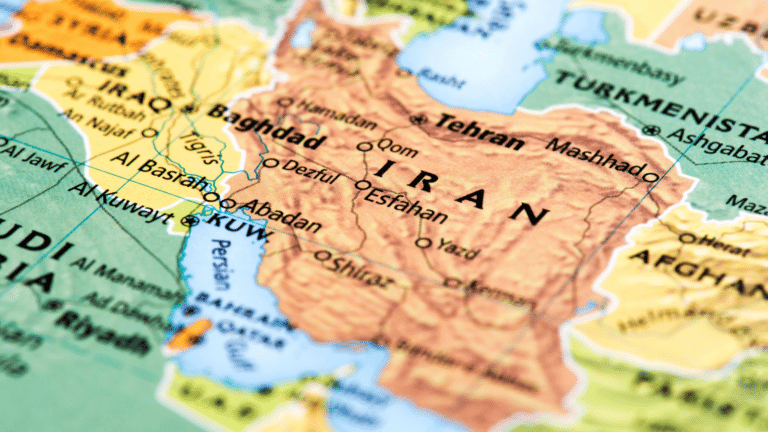

On February 28, the United States and Israel launched an attack on Iran, resulting in the deaths of Iranian Supreme Leader Ali Hosseini Khamenei and senior Iranian leaders…

As the Israel-Iran conflict continues to unfold, it remains unclear whether a ceasefire will hold or fighting will resume. This uncertainty carries significant implications for energy markets in the Middle East and around the world.
On the night of June 12, the Israeli military conducted widespread strikes on sites in Iran that targeted the country’s nuclear program and its senior military leadership.
Founding Director, Center on Global Energy Policy; Professor, Columbia SIPA; Professor and Co-Founding Dean Emeritus, Columbia Climate School
Global Research Scholar
Senior Research Scholar
Senior Research Associate
Non-Resident Fellow
Global Fellow
Senior Research Scholar
Non-Resident Fellow
Senior Fellow and Head of Corporate Partnership Strategy
Senior Advisor for Scholarly Affairs and Senior Research Scholar