LIVE: Daily Energy Markets Podcast 2026
Enjoy the videos and music you love, upload original content, and share it all with friends, family, and the world on YouTube.
Get the latest as our experts share their insights on global energy policy.
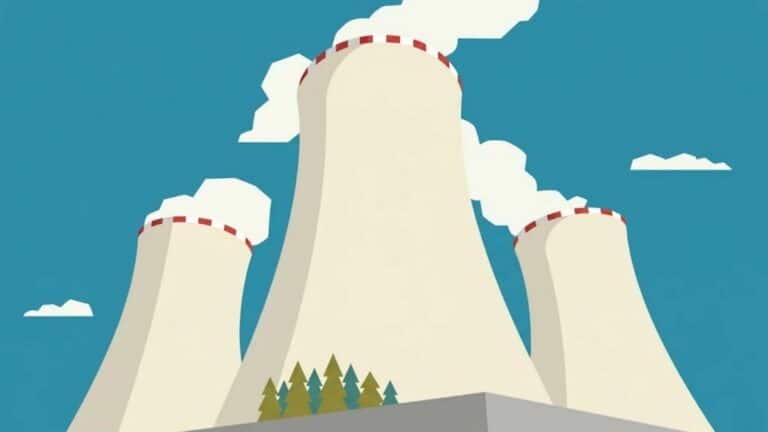
A House committee voted to allow the Advisory Committee on Reactor Safeguards (ACRS) to decline certain application reviews.
Hear in-depth conversations with the world’s top energy and climate leaders from government, business, academia, and civil society.
Permitting reform—to allow for faster approvals on new projects—is one thing that both climate advocates and energy developers have wanted for a long time. With demand for power...

Find out more about our upcoming and past events.
Putting data centers in space once seemed fanciful. Today, a growing number of companies have started doing so.

Well-functioning energy markets are critical to the distribution of energy resources. Understanding how they work, how they can be improved, and how they are being impacted by the changes afoot in the energy sector is key to meeting energy and environmental goals.
The Middle East crisis has increased demand for China's clean technologies.
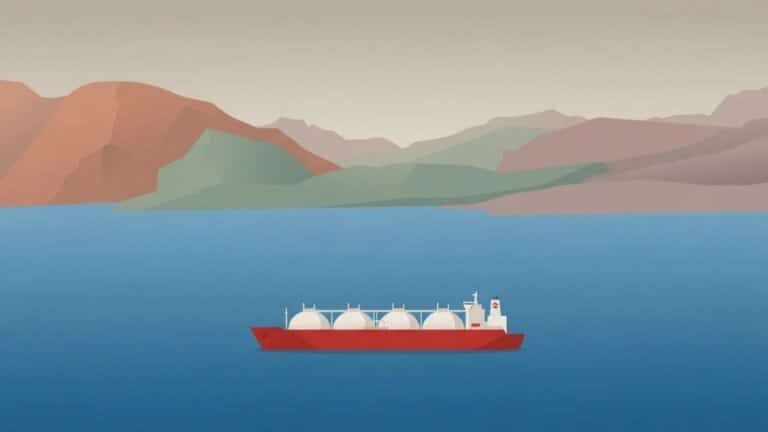
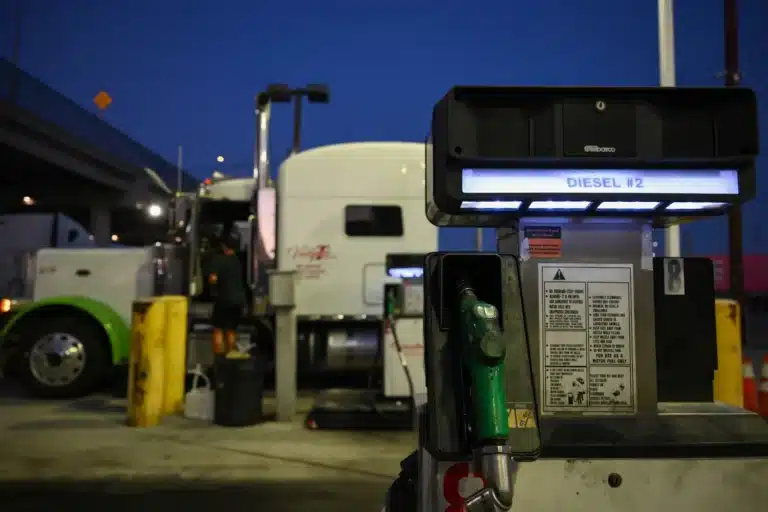
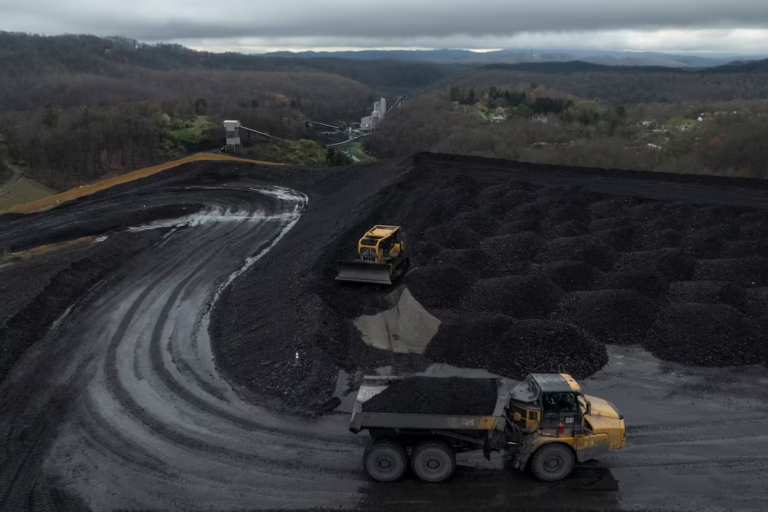
As inventories run dry and the Iran war continues to disrupt transit routes, oil has surged back to more than $100 per barrel. Diesel fuel—the workhorse of the agricultural and trucking sectors—has now soared to historic highs, pushing U.S. exports to record levels.
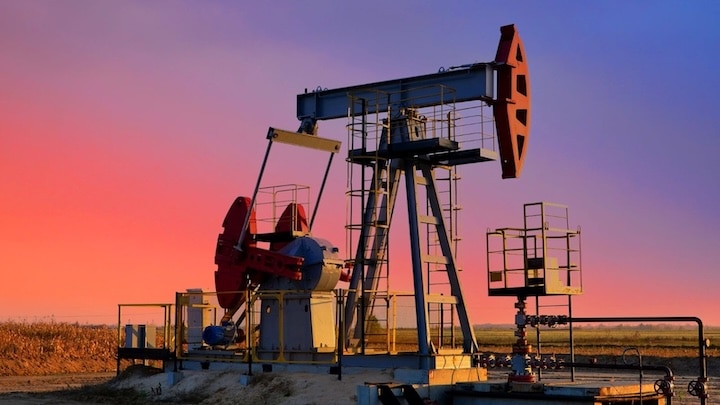
By almost any measure, the world should be suffering a far more severe energy crisis.

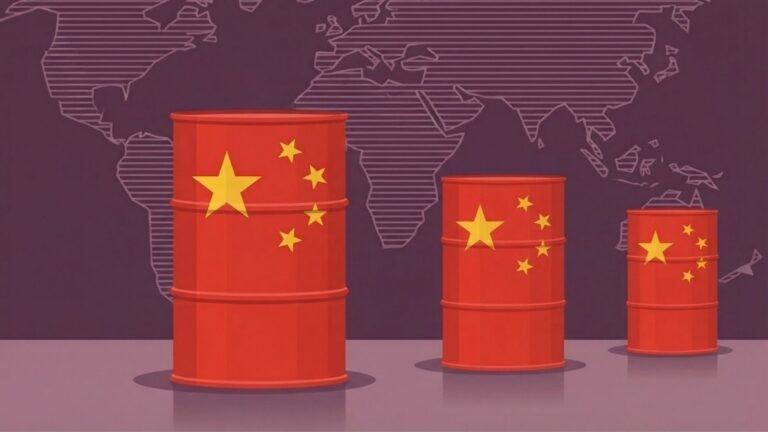
The ongoing disruption of oil exports through the Strait of Hormuz has caused a substantial decline in China's crude oil imports.

The US-Israeli war against Iran highlights the Gulf’s dual role as the backbone of global energy supply and a major source of systemic risk.

Within days of the initial U.S. and Israeli attack on Iran on February 28, 2026, the world was plunged into an energy crisis.
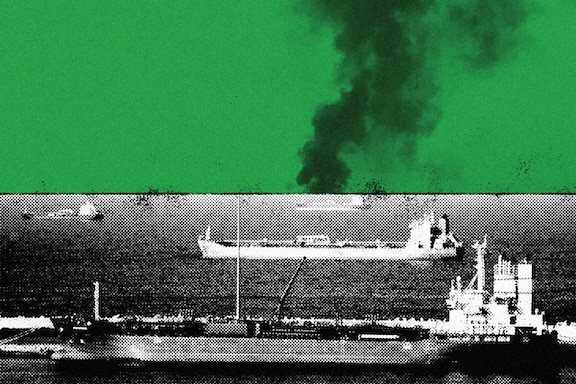
The war in Iran has significantly enhanced Latin America's geopolitical advantage as a reliable source of hydrocarbon resources.