This website uses cookies as well as similar tools and technologies to understand visitors’ experiences. By continuing to use this website, you consent to Columbia University’s usage of cookies and similar technologies, in accordance with the Columbia University Website Cookie Notice.
Energy Explained
Get the latest as our experts share their insights on global energy policy.
Live Updates: Iran and the Conflict in the Middle East
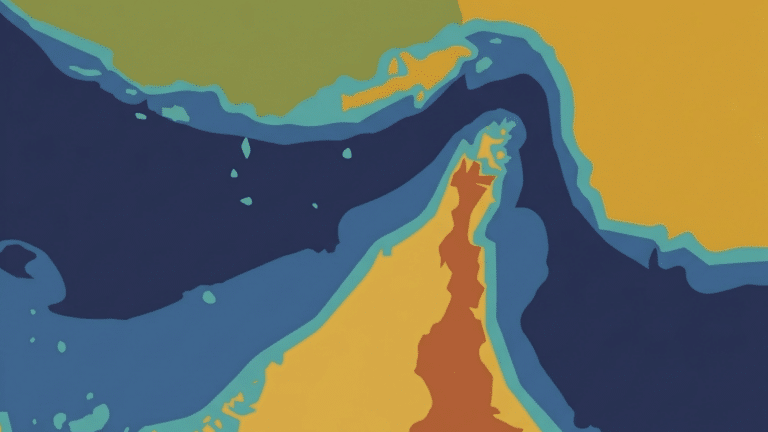
The Center on Global Energy Policy is providing live updates on key developments related to the Iran crisis. Check back here for the latest.
Podcasts
Hear in-depth conversations with the world’s top energy and climate leaders from government, business, academia, and civil society.
Iran Conflict Brief: Jan Stuart on What a US Diesel Export Ban Would Mean
Seven months into the largest oil supply disruption in history, there's still no resolution in sight. This week, on the sidelines of the UN General Assembly, US and Iranian officials held their first indirect talks since the Memorandum of Understanding collapsed in July—but neither side appears ready for concessions.
Events
Find out more about our upcoming and past events.
October 22, 2026
• 6:00 pm - 8:30 pm
edt
Energy in Motion: Industry Trends, Emerging Opportunities and Evolving Careers
Join Women in Energy and Pillsbury in Washington, D.C., for a conversation examining the key trends and developments shaping the energy industry, where opportunities are emerging, and how...
Event
• Pillsbury
1200 Seventeenth Street NW, Washington, DC 20036
1200 Seventeenth Street NW, Washington, DC 20036
Middle East + North Africa
Middle East + North Africa





Publications
The US-Saudi Nuclear Cooperation Agreement Would Serve US Interests
The Trump administration has submitted to Congress a new nuclear energy cooperation agreement with Saudi Arabia.
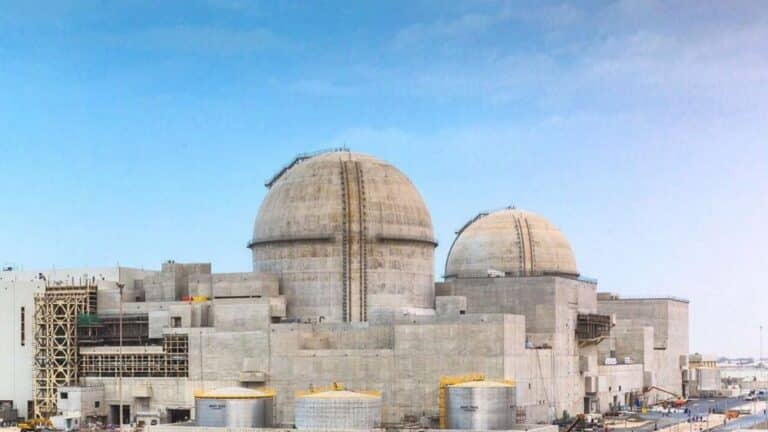
The Real U.S.-Saudi Nuclear Deal Is Better Than We Thought
On Aug. 24, 2026, the Trump administration transmitted the text of the U.S.-Saudi nuclear cooperation agreement to Congress. By doing so, the
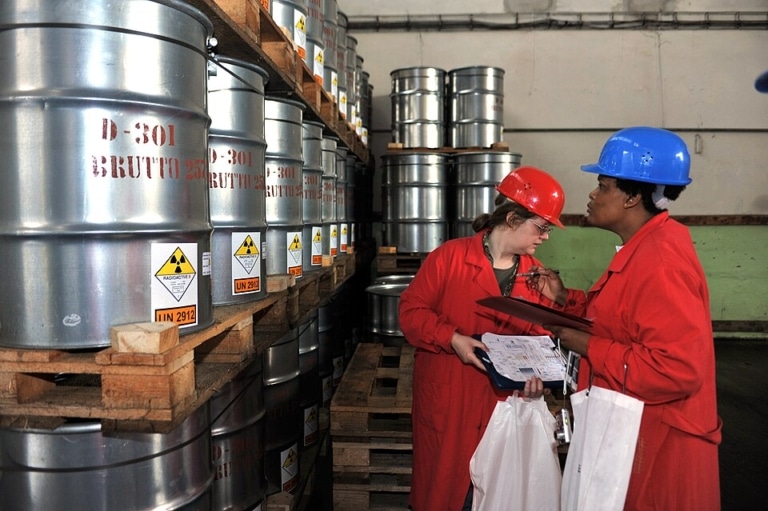
The Long Shadow of the Iran Shock
By almost any measure, the world should be suffering a far more severe energy crisis.
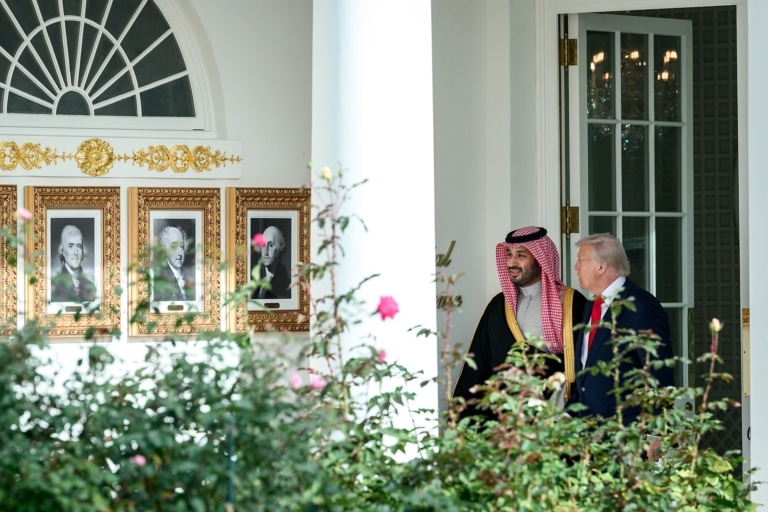
Parsing Trump’s Decision to (Maybe) Give Uranium Enrichment to Saudi Arabia
On June 22, the United States announced that it had signed a nuclear cooperation agreement with Saudi Arabia. This type of agreement broadly authorizes
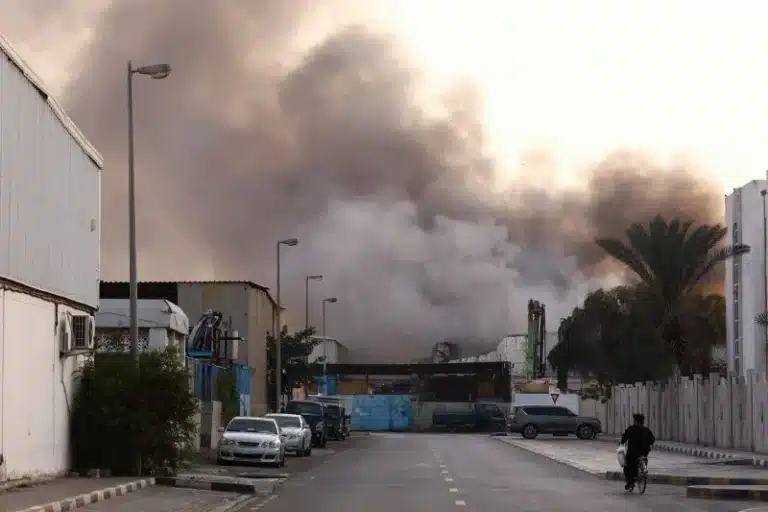
Silicon Valley’s Bad Bet on the Gulf
Why the AI build-out was doomed from the start.
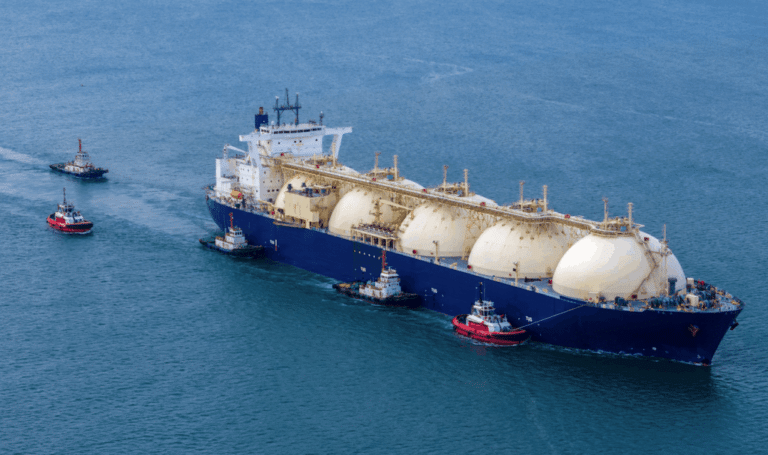
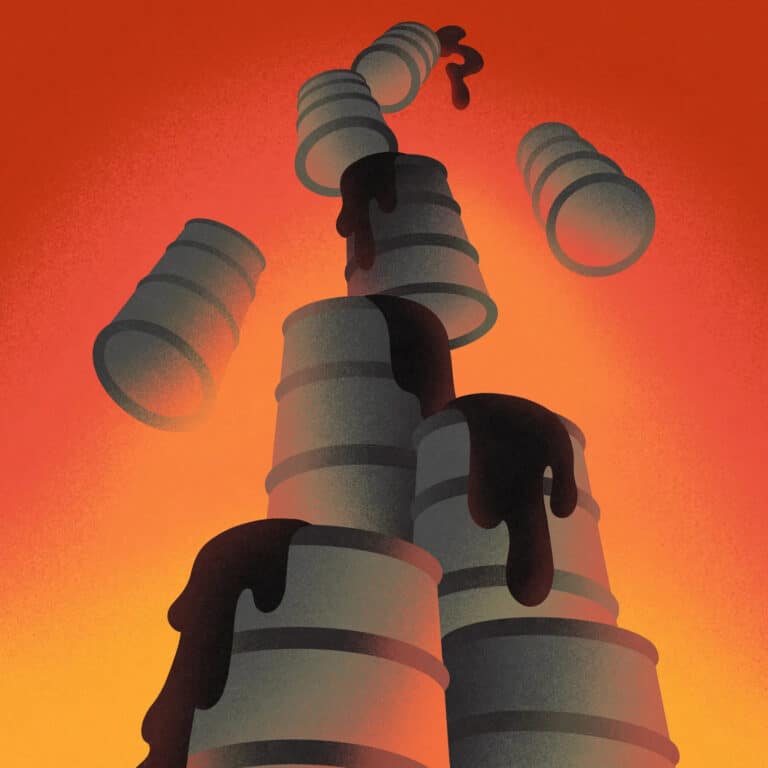
If OPEC Falls Apart, It’ll Cost Us All
The White House declared last week that President Trump finally "broke OPEC" after the United Arab Emirates withdrew from the cartel.
Countries & Regions
Publications
Publications
by Location
Middle East + North Africa
Explore the latest energy and climate change news and research from the Middle East and North Africa region.