Prix des carburants : pourquoi les raffineries sont au cœur de la tempête
Plus que d'un problème pétrolier, la flambée des prix du carburant résulte de tensions sur les capacités mondiales de raffinage.
Get the latest as our experts share their insights on global energy policy.
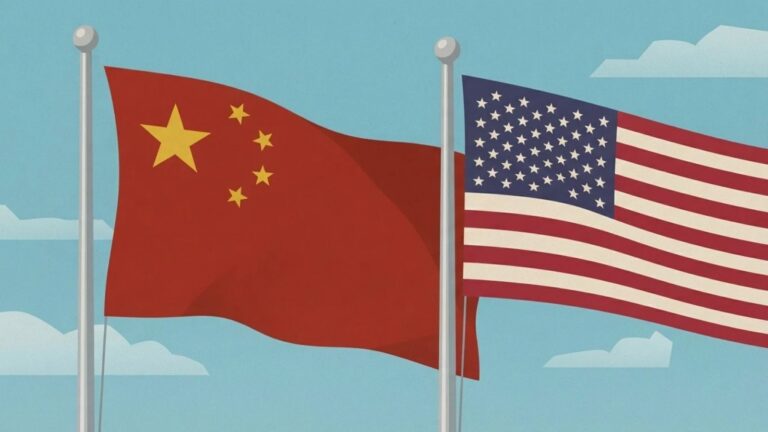
Last week's summit between US President Trump and Chinese President Xi was the second meeting between the two leaders since the US and Israel attacked Iran.
Hear in-depth conversations with the world’s top energy and climate leaders from government, business, academia, and civil society.
Carbon credit markets have become one of the most hotly debated tools in the fight against climate change. Supporters call them essential to closing the gap between corporate...

Find out more about our upcoming and past events.
Apply to Register The Center on Global Energy Policy at Columbia University SIPA’s Women in Energy initiative invites Columbia University students to a roundtable discussion with Pam Brown,...

Our initiatives and programs are designed to address critical needs in key topical areas around energy.
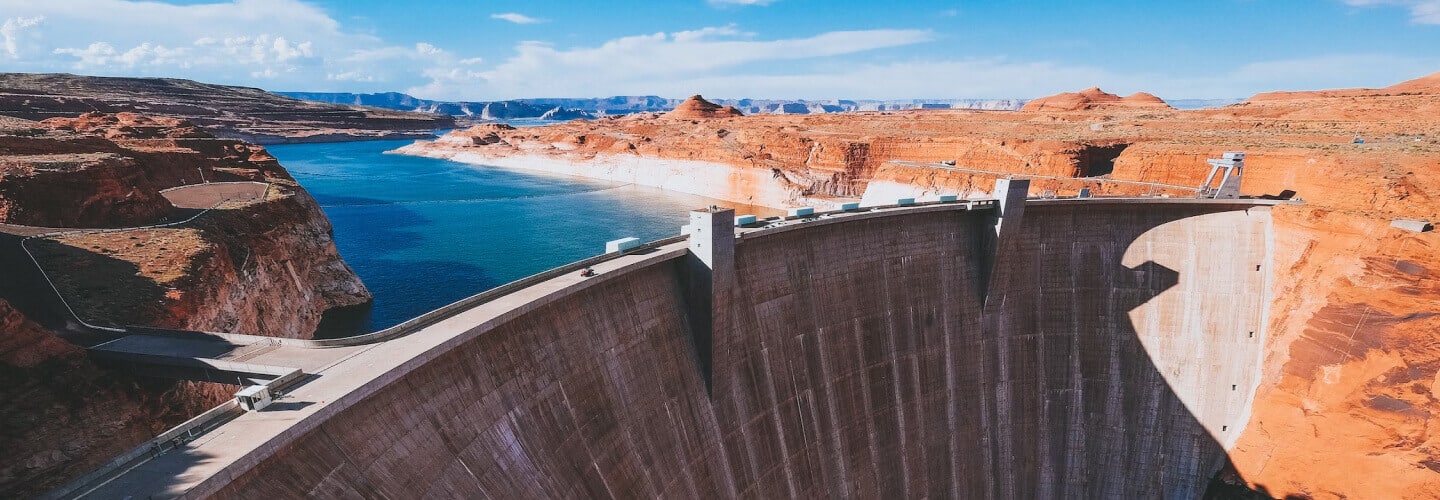
Electricity prices across the United States are facing unprecedented pressures driven by a complex mix of load growth, grid resiliency, and extreme weather. Amid growing public concern over rising utility bills—particularly with regard to the surge in demand from AI data centers—the issue has become deeply politicized.
To better understand how regulations for PCCMs are evolving across the globe, the Center on Global Energy Policy (CGEP) at Columbia University SIPA conducted a year-long project combining research and stakeholder engagement through multiple convenings. The effort examined regulatory frameworks for PCCMs and emerging trends across countries and regions, and assessed whether such frameworks could help close the integrity gap in carbon credit markets.
Our mission is to elevate women in the energy sector. The initiative offers educational programming and professional development and addresses barriers to entry and success. We work with industry to recruit, retain, and promote women into decision-making roles.
Our Lab works with global communities to improve opportunities for sustainable energy inclusion, innovation, and growth while supporting progress toward the overall goal of a just energy transition to low-carbon energy.
Columbia SIPA’s Center on Global Energy Policy and Institute of Global Politics has launched the Trade and the Clean Energy Transition (TCET) initiative to help decision-makers both within the U.S. and globally navigate the intersection of climate and trade objectives to help accelerate the transition to a net-zero economy.
Addressing the needs, barriers, and opportunities to scaling up investment in and production of critical minerals and battery supply chains
This initiative strengthens Columbia’s academic leadership in the field of carbon dioxide management.
Nuclear energy is a dispatchable low-carbon option that can be expanded quickly to accomplish decarbonization. The initiative will focus on five major thrusts to address the challenges facing nuclear energy: Communications and education, NRC regulation, reactors, fuel cycle, and international engagement.
The India Program supports India’s energy transition through collaborative research within the University, as well as with Indian think tanks and academics working on energy and environment issues.
The Center on Global Energy Policy Book Series is dedicated to enriching the quality of energy dialogue.