Net Power Surrendered Its Clean Dreams to Data Center Demand
The zero-emission pioneer is doing the dirty work for the AI boom.
Get the latest as our experts share their insights on global energy policy.
This Energy Explained post represents the research and views of the author(s). It does not necessarily represent the views of the Center on Global Energy Policy. The piece...

Hear in-depth conversations with the world’s top energy and climate leaders from government, business, academia, and civil society.
After years of trying, the US may be on the cusp of a nuclear renaissance. Commercial nuclear generation began in this country in 1958. Today, the US has...

Find out more about our upcoming and past events.
The Center on Global Energy Policy (CGEP) at Columbia University’s School of International and Public Affairs and ReNew invite you to Columbia India Energy Dialogue 2026, taking place...


A bipartisan permitting-reform proposal in the US Senate includes provisions that reduce barriers to an improved electricity transmission system, which would help fortify the country’s energy system and accelerate the transition away from fossil fuels.
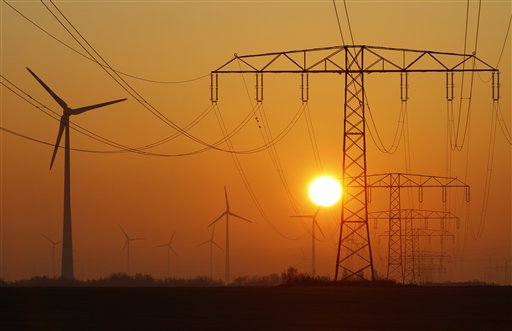
About one in four American households experience some form of energy insecurity. Within this group, Black, Indigenous, Latine, low- and moderate-income (LMI), and other disadvantaged communities face a disproportionately higher burden.

Given Africa's rapidly increasing population and the global target to reduce greenhouse gas emissions, universal access to electricity and decarbonization of energy systems are priorities for the continent.
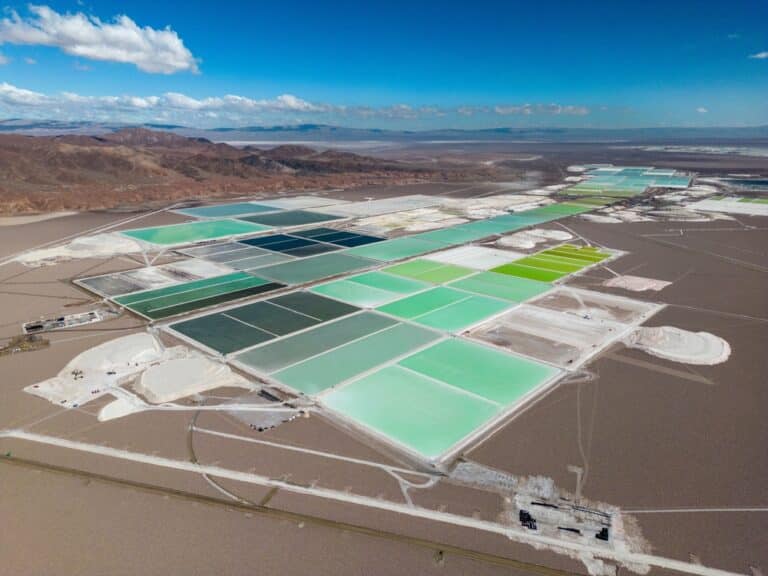
An increased supply of lithium will be needed to meet future expected demand growth for lithium-ion batteries for transportation and energy storage.
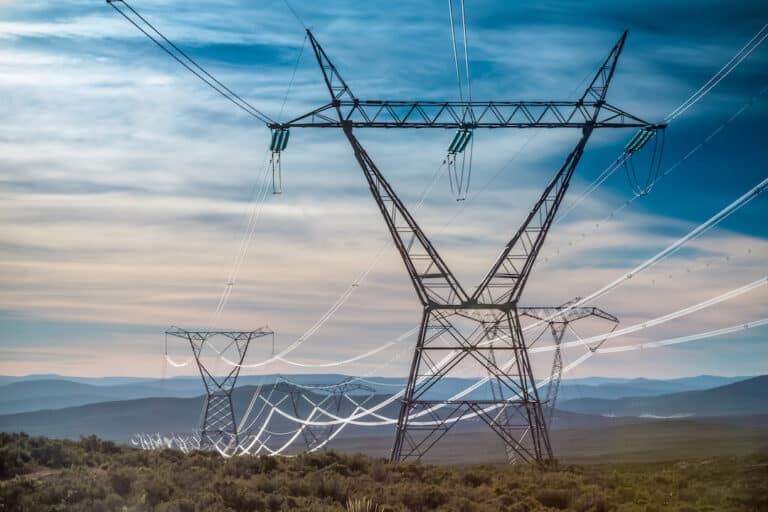
In 2020, 33.53 million U.S. households experienced some form of energy insecurity.

Greenhouse gas emissions from industrial operations are a big and growing problem that has historically seen little attention.

Hydrogen can play an important role in decarbonizing global energy systems.

Ensuring an effective transition to a net-zero world will require developing and utilizing zero-carbon fuels.
To reach net-zero emissions by 2050 to limit global temperature rise to 1.5 degrees Celsius (°C), low-carbon hydrogen can play an important role both as a carbon-free fuel and as a feedstock for fuels and products.