Trump says ongoing talks are Iran’s ‘last chance’
Karen Young, senior research scholar at the Centre on Global Energy Policy at Columbia University, joins BNN Bloomberg to discuss the energy sector.
Get the latest as our experts share their insights on global energy policy.
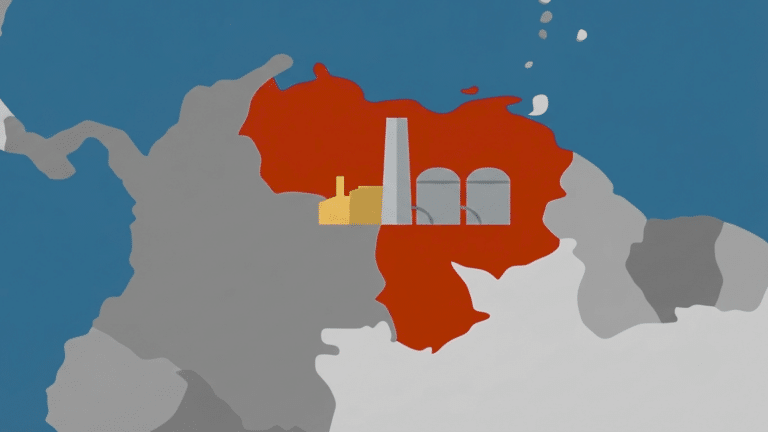
The economic and humanitarian consequences of the June 24 twin earthquakes in Venezuela continue to emerge.
Hear in-depth conversations with the world’s top energy and climate leaders from government, business, academia, and civil society.
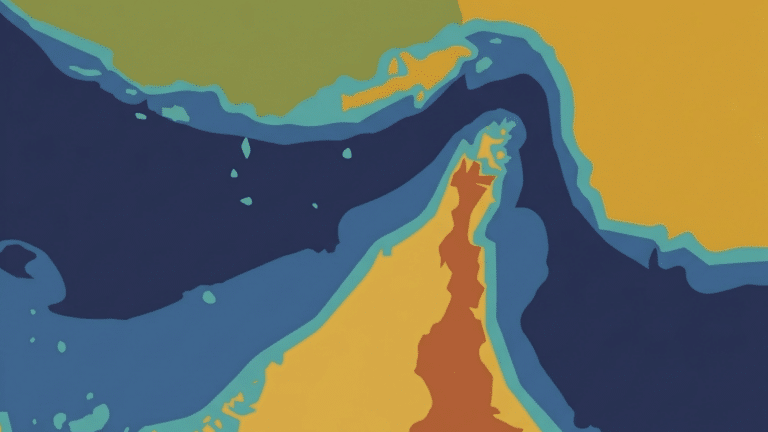
Over the past five months, the Strait of Hormuz has been closed for extended stretches of time, disrupting roughly 10 to 15 million barrels of oil supply each...
Find out more about our upcoming and past events.
Join industry leaders, innovators, employers, and emerging talent for an evening exploring the technologies, trends, and career opportunities shaping the future of climate tech.

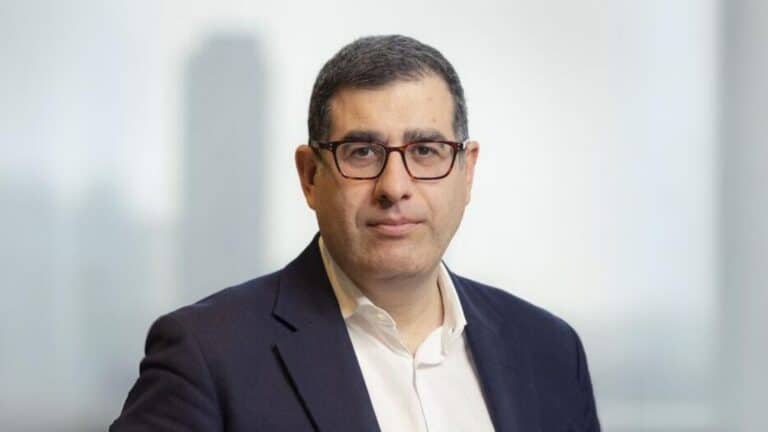
Managing Partner, TWG Global; Former Deputy Assistant and Senior Advisor for Energy and Investment to President Biden
It’s been a head-spinning day in the Iran war. Earlier today, following a temporary truce between Lebanon and Israel, Iran announced that the Strait of Hormuz would be “completely open” to commercial shipping during this ceasefire. Initial reactions from President Donald Trump were optimistic, but that gave way to some confusion about what “open” actually means in practice. The president later clarified that the existing U.S. blockade on Iranian vessels would remain in place.
Despite the confusion, markets responded quickly. Brent crude dropped below $90 a barrel for the first time in weeks, though prices are still meaningfully elevated relative to pre-war levels. Even with the reprieve, much uncertainty looms as the U.S.-Iran ceasefire deadline of next Tuesday, April 21, approaches
So, what does this moment tell us about the future of energy security? How durable is the current ceasefire? And what energy system will this crisis leave behind?
Today on the show, host Jason Bordoff talks with Amos Hochstein about the recent developments in the Middle East. They discuss the long-term implications of Iran’s control of the Strait of Hormuz, the war’s geopolitical and energy market impacts, and where Amos thinks this conflict is headed in the near and longer term.
Amos served as deputy assistant and senior advisor for energy and investment to President Biden, and as special presidential coordinator for global infrastructure and energy security. He is a managing partner at TWG Global and a distinguished fellow at Columbia University’s School of International and Public Affairs.
Over the past five months, the Strait of Hormuz has been closed for extended stretches of time, disrupting roughly 10 to 15 million barrels of oil supply each...
As the demand for power surges across the US, the debate over how to build energy infrastructure has reached a fever pitch. And while both sides of the...
Critical minerals sit at the intersection of energy technology, industrial competitiveness, and economic resilience. The issue has hit a fever pitch in the United States, driving the Trump...

Nearly a month after a ceasefire, the US-Iran deal seems to have all but collapsed as both nations have slipped back into active conflict. On Sunday, Tehran announced...

The economic and humanitarian consequences of the June 24 twin earthquakes in Venezuela continue to emerge.
The Trump administration and Saudi leadership have reportedly agreed to a nuclear agreement that could enable US nuclear technology transfers to Saudi Arabia.
The Center on Global Energy Policy is providing live updates on key developments related to the Iran crisis. Check back here for the latest.
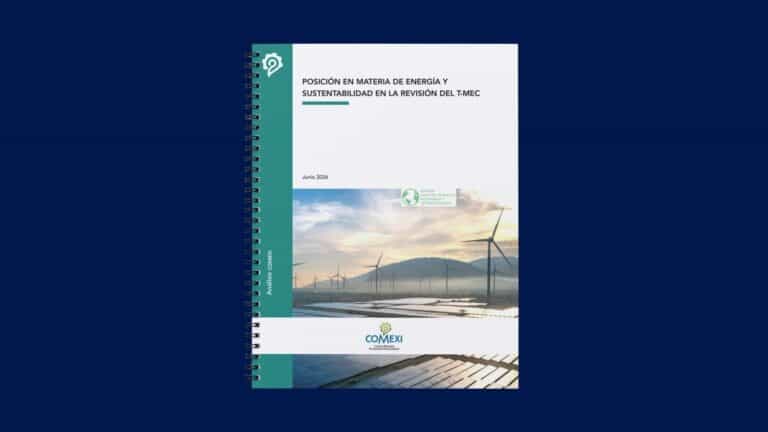
El Consejo Mexicano de Asuntos Internacionales (COMEXI) y la Unidad de Estudio y Reflexión sobre Energía y Sustentabilidad, presentan el análisis: “Posición en materia de energía y sustentabilidad en la revisión del T-MEC" El documento analiza cómo México puede aprovechar este proceso para fortalecer la integración energética de América del