U.S.-Iran MOU tension points are in Lebanon, says Columbia’s Karen Young
Karen Young, Columbia University, joins 'Power Lunch' to discuss the latest agreement between the U.S. and Iran, what could terminate the MOU and much more.
Get the latest as our experts share their insights on global energy policy.
Critical minerals were once again near the top of the agenda for G7 leaders as they met in Évian, France, this week, a year after the G7 launched the Critical Minerals Action Plan.

Hear in-depth conversations with the world’s top energy and climate leaders from government, business, academia, and civil society.
Yesterday, the US and Iran signed a memorandum of understanding starting the clock on a 60-day truce. The agreement intends to halt attacks, begin lifting the US naval...
Find out more about our upcoming and past events.
This event will take place in-person in Washington DC, at the Rayburn House Office Building, Room 2168 (Gold Room). Advance registration is required. Announcing New Columbia University Publications...
Explore our expert insights and analysis on leading energy and climate news stories.
The Center on Global Energy Policy (CGEP) at Columbia University SIPA today released a new report examining Project-based Carbon Credit Markets (PCCMs) in G20 countries and Singapore. A...

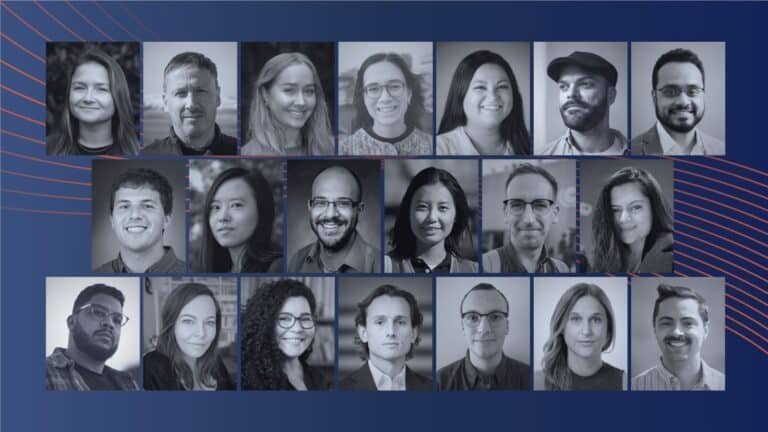
The Center on Global Energy Policy (CGEP) at Columbia University’s School of International and Public Affairs today announced the journalists who have been selected for the 2026 Energy...
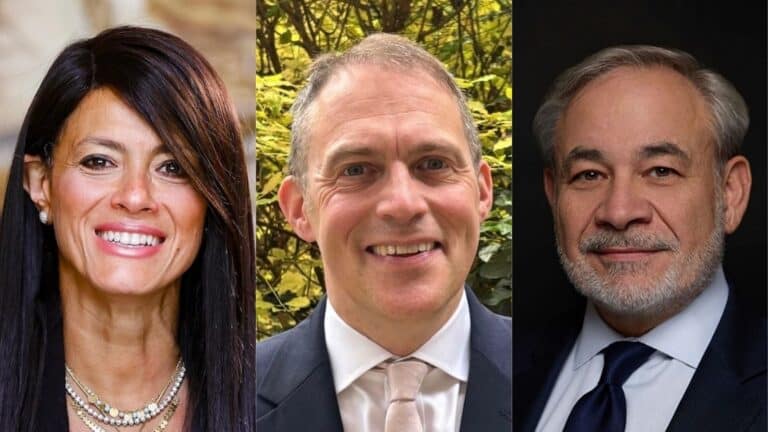
The Center on Global Energy Policy (CGEP) at Columbia University SIPA today announced three new distinguished visiting fellows, Rania Al-Mashat, Jonathan Black, and Dan Brouillette, who will bring...
Panel to be Chaired by Former President of Chile Michelle Bachelet Top Energy, Finance, Industry, Philanthropy, and Government Leaders to Examine Pathways to Drive Energy Development in Low-...
The Resilient Energy Economies initiative (REE) is pleased to announce that it is funding six new research projects to help US fossil fuel-dependent communities diversify and strengthen their...

Karen Young, Columbia University, joins 'Power Lunch' to discuss the latest agreement between the U.S. and Iran, what could terminate the MOU and much more.
Enjoy the videos and music you love, upload original content, and share it all with friends, family, and the world on YouTube.
Even if Trump's war on Iran has finally ended, the economic consequences will continue to harm American households for years to come.
On Wednesday, the U.S. signed a nuclear cooperation memorandum of understanding with the Dominican Republic.
Stephania Taladrid on why American investors are rushing back to Venezuelaâs vast oil sector, where promises of reform are fueling optimism even as many of the officials responsible for its decline remain in power.
This transcript has been automatically generated.Subscribe to âShift Keyâ and find this episode on Apple Podcasts, Spotify, Amazon, or wherever you get your podcasts.You can also add the showâs RSS feed to your podcast app to follow us directly.Robinson Meyer:Hello, it is Wednesday, June 17, and one...
Wall Street is looking favorably on the prospects for a US-Iran peace deal.