China Briefing 20 August 2026: Oil and gas plan | Xi on climate change | Coal five-year plan
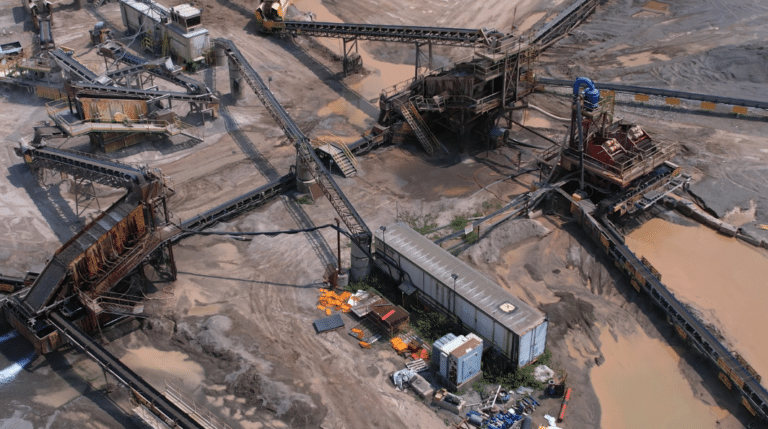
In this issue, Carbon Brief examines China’s five-year plan for coal.
Simultaneous pressures are colliding at the worst possible time, making power generation a central test of the country’s capacity to recover.
The centre of gravity of the global energy system has definitively shifted eastward, driven by rapid industrialisation, expanding urban populations, and rising
Data centers face growing local opposition as states impose moratoriums on hyperscale projects and grid connections. Communities can negotiate deals for tax revenue and jobs.
By almost any measure, the world should be suffering a far more severe energy crisis.
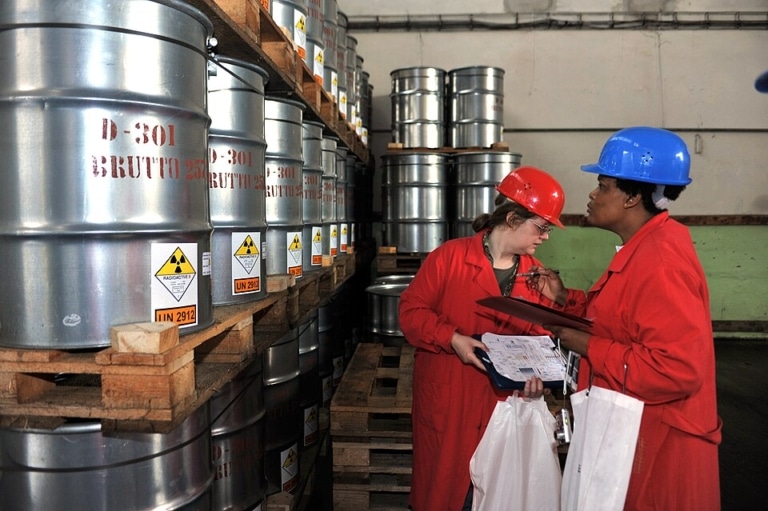
India’s SHANTI Act opens the nuclear power sector to private participation while retaining state oversight of strategic assets. The move addresses limits of the state-led model and supports India’s goal of reaching 100 GW of nuclear capacity by 2047. Stronger regulation and private investment could accelerate nuclear expansion, strengthen energy security and aid decarbonisation.
On June 22, the United States announced that it had signed a nuclear cooperation agreement with Saudi Arabia. This type of agreement broadly authorizes
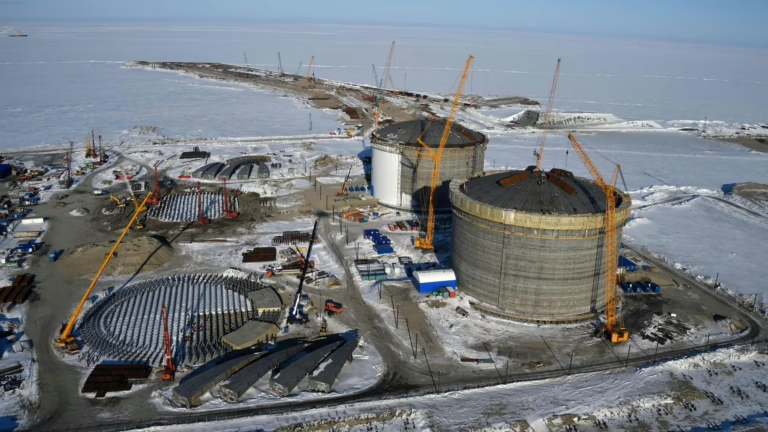
CHRONIQUE. Les Etats-Unis vont bientôt contrôler environ un tiers des capacités mondiales de GNL, bien plus que le Qatar. Sous l’administration Trump, le GNL est devenu un outil de politique étrangère, écrit Anne-Sophie Corbeau, chercheuse au Center on Global Energy Policy de l’Université Columbia