Morocco puts African Atlantic Gas Pipeline into UN financing pitch as Q4 FID target looms
Morocco has brought the roughly $25bn African Atlantic Gas Pipeline (AAGP) into a broader push for private and multilateral development capital as ...
Get the latest as our experts share their insights on global energy policy.
The Center on Global Energy Policy is providing live updates on key developments related to the Iran crisis. Check back here for the latest.
Hear in-depth conversations with the world’s top energy and climate leaders from government, business, academia, and civil society.
Seven months into the largest oil supply disruption in history, there's still no resolution in sight. This week, on the sidelines of the UN General Assembly, US and Iranian officials held their first indirect talks since the Memorandum of Understanding collapsed in July—but neither side appears ready for concessions.
Find out more about our upcoming and past events.
Apply to Register The Center on Global Energy Policy at Columbia University SIPA’s Women in Energy initiative invites Columbia University students to a roundtable discussion with Pam Brown,...

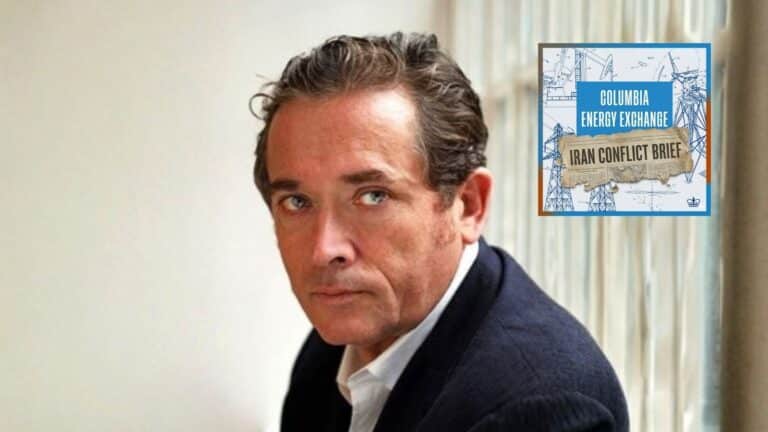
Professor of Iranian History, University of St Andrews
On the eve of President Trump’s deadline for Iran to reopen the Strait of Hormuz, the global energy landscape faces a moment of unprecedented risk. With dated Brent crude already surging past $140 a barrel, the threat of tit-for-tat infrastructure strikes looms over the region. In this episode, Daniel Sternoff speaks with Ali Ansari about what’s happening in Iran, how decisions are getting made, and how the regional energy landscape is being permanently reshaped.
The conversation delves into the fractured state of Iranian decision-making following the death of Khamenei and the rise of the Islamic Revolutionary Guard Corps as both a military and a corporate hegemon. Ali explains how the IRGC’s “mosaic defense” strategy has devolved operational command to local levels, creating a political system that struggles to coordinate even basic utilities like gas and water for its citizens.
Ali Ansari is a professor of Iranian history and the founding director of the Institute for Iranian Studies at the University of St Andrews. He is also a senior associate fellow with the Royal United Services Institute and the author of multiple books on the politics of modern Iran.
Seven months into the largest oil supply disruption in history, there's still no resolution in sight. This week, on the sidelines of the UN General Assembly, US and Iranian officials held their first indirect talks since the Memorandum of Understanding collapsed in July—but neither side appears ready for concessions.
This week, Chinese President Xi Jinping travels to Washington for a state visit with President Trump, their second face-to-face meeting this year. Energy is likely to be high...

More than six months into the war with Iran, the Strait of Hormuz crisis continues to cause turmoil in the Gulf region and global energy markets with no...

It's been a tumultuous year for Venezuela, marked by political upheaval and deadly earthquakes. Then, in late August, the Trump administration announced a deal for over 65 billion...
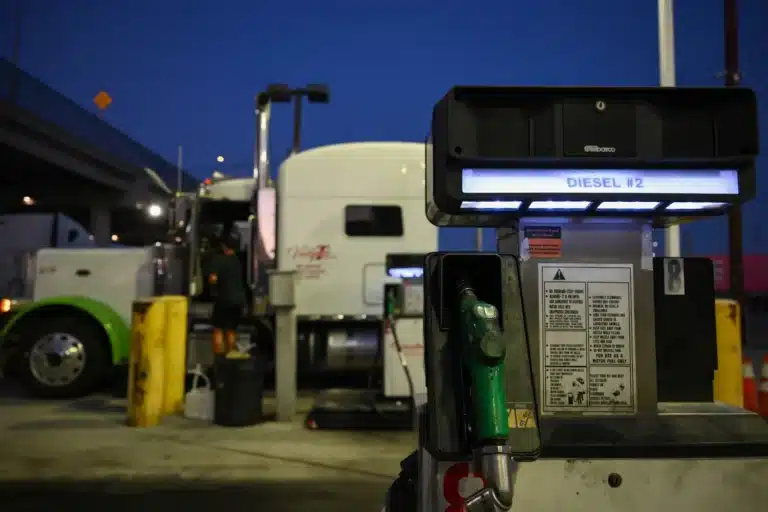
As inventories run dry and the Iran war continues to disrupt transit routes, oil has surged back to more than $100 per barrel. Diesel fuel—the workhorse of the agricultural and trucking sectors—has now soared to historic highs, pushing U.S. exports to record levels.
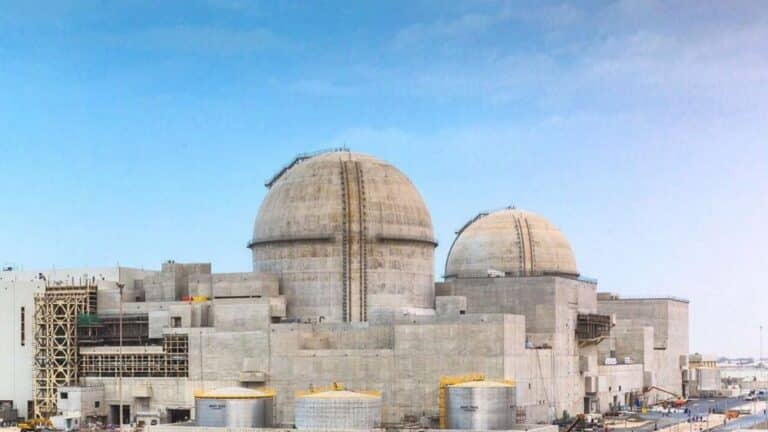
The Trump administration has submitted to Congress a new nuclear energy cooperation agreement with Saudi Arabia.
The Center on Global Energy Policy is providing live updates on key developments related to the Iran crisis. Check back here for the latest.
The White House announced last week an oil deal for more than 65 billion barrels of oil reserves in Venezuela and a 35% equity stake in North American Blue Energy Partners (NABEP).