This website uses cookies as well as similar tools and technologies to understand visitors’ experiences. By continuing to use this website, you consent to Columbia University’s usage of cookies and similar technologies, in accordance with the Columbia University Website Cookie Notice.
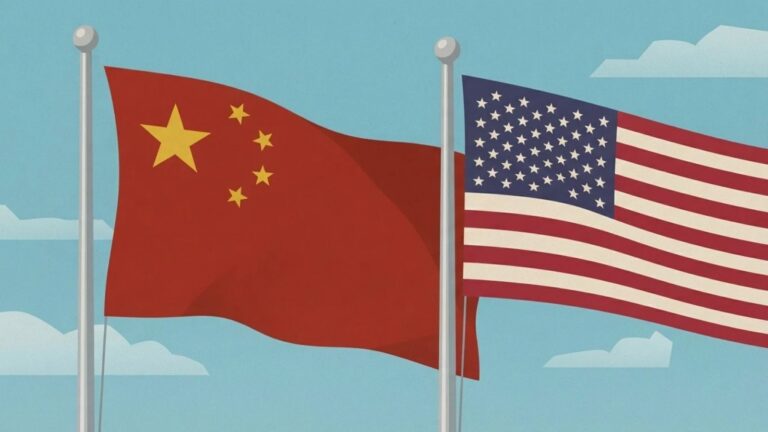
Last week's summit between US President Trump and Chinese President Xi was the second meeting between the two leaders since the US and Israel attacked Iran.
Carbon credit markets have become one of the most hotly debated tools in the fight against climate change. Supporters call them essential to closing the gap between corporate...
Apply to Register The Center on Global Energy Policy at Columbia University SIPA’s Women in Energy initiative invites Columbia University students to a roundtable discussion with Pam Brown,...
Event
• Center on Global Energy Policy
Large Conference Room
About Us
We are the premier hub and policy institution for global energy thought leadership. Energy impacts every element of our lives, and our trusted fact-based research informs the decisions that affect all of us.
India’s SHANTI Act opens the nuclear power sector to private participation while retaining state oversight of strategic assets. The move addresses limits of the state-led model and supports India’s goal of reaching 100 GW of nuclear capacity by 2047. Stronger regulation and private investment could accelerate nuclear expansion, strengthen energy security and aid decarbonisation.
The US imposed tariffs of 50 percent on about half of Indian exports on August 27, following a Trump administration executive order targeting the country for its continued imports of discounted Russian oil.
US tariffs on India for purchasing Russian oil may stem more from frustrations in US-India trade negotiations than from a concern about funding Russia’s war in Ukraine.
This article provides an overview, draws insights from the taxonomies of Europe and India's neighboring countries, and highlights the need for a taxonomy in India.
As Indian Prime Minister Narendra Modi makes his first visit to Washington in the second Trump administration, energy will likely take a front seat in United States-India relations.
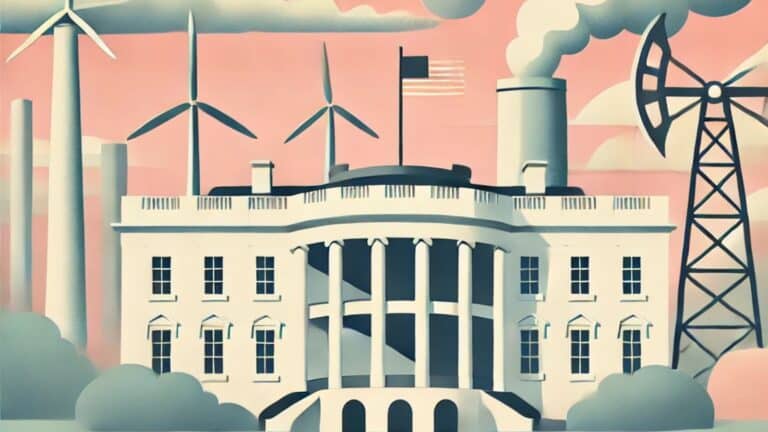
President Donald Trump has made energy a clear focus for his second term in the White House. Having campaigned on an “America First” platform that highlighted domestic fossil-fuel growth, the reversal of climate policies and clean energy incentives advanced by the Biden administration, and substantial tariffs on key US trading partners, he declared an “energy emergency” on his first day in office.
Kenya and South Africa have recently started moving toward an open access regime in their electricity sectors, while the US and India have been on this path for over two decades.
Amid plans to nearly double its steel production capacity by 2030 to serve its growing infrastructure needs, the world’s No. 2 steel producer India has released plans to reduce greenhouse gases from the sector, which account for about 10 percent of the nation’s total emissions.