Kuwait looks to the cloud as power grid feels the strain
Kuwait has invited bids to construct three power substations that will supply electricity to Google Cloud data storage centres
Current Access Level “I” – ID Only: CUID holders, alumni, and approved guests only
The removal of President Nicolás Maduro carries profound implications not only for Venezuela’s future but for regional geopolitics, US policy, and global energy markets. Follow this page as our scholars track and analyze the latest developments.

The recent military operation to remove Venezuelan President Nicolás Maduro and First Lady Cilia Flores raises several implications for the future of Venezuela and Latin America, geopolitics, and energy markets. Cosponsored by SIPA’s Institute of Global Politics (IGP) and Center for Global Energy Policy (CGEP), along with Columbia’s Institute of Latin American Studies (ILAS), this webinar will analyze the circumstances and impact of their capture and extradition to New York to face narcoterrorism and drug trafficking charges.
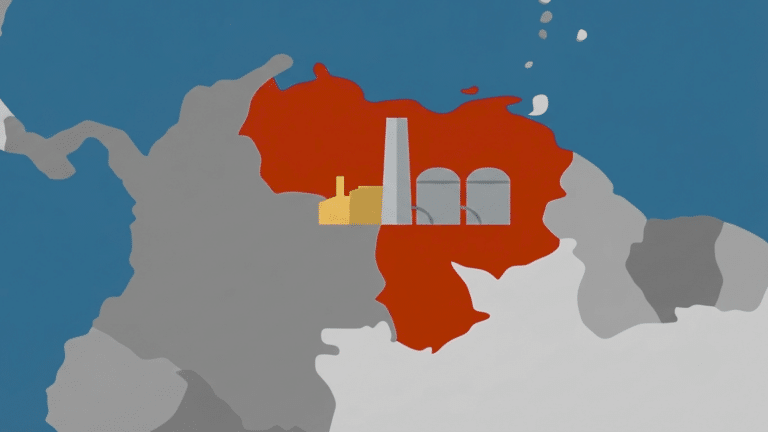
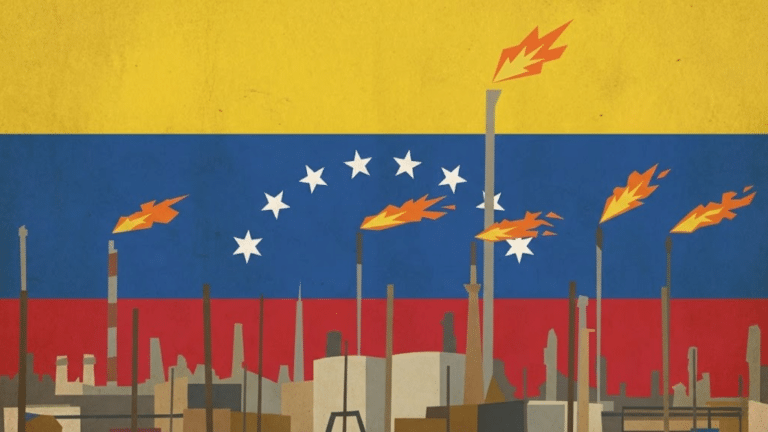
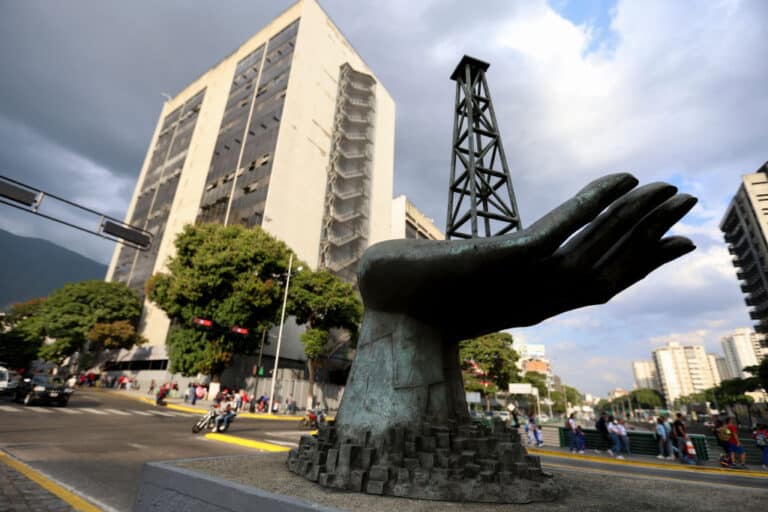
Venezuela holds 70% of Latin America’s natural gas reserves, which it could export to Colombia and Trinidad to increase revenues.
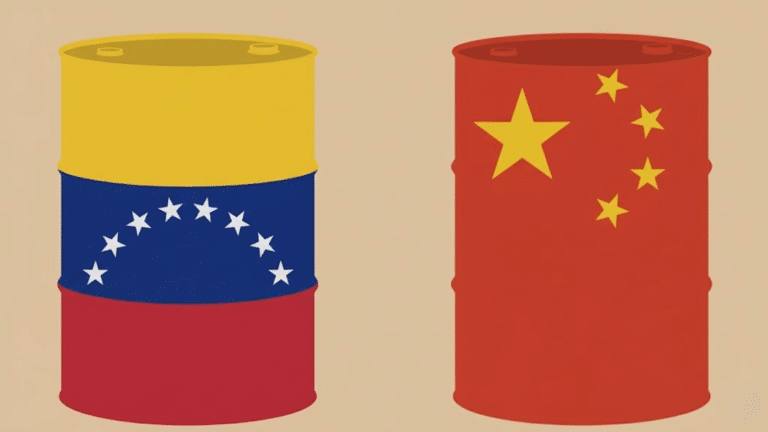
The US intervention in Venezuela may jeopardize both the flow of discounted Venezuelan oil to China’s teapot refineries and the role of Chinese oil companies in Venezuela’s upstream business.
In discussing the dramatic seizure of Venezuelan President Nicolás Maduro and his wife, Cilia Flores, over the weekend, President Donald Trump declared that the United States would now “take back” the country’s oil. Yet he has offered little clarity on what exactly this means.
Early on 3 January 2026, the United States launched a military operation to arrest President Nicolás Maduro and remove him from Venezuela.
The country could see a relatively rapid recovery of some oil production, depending on the leadership that emerges.
Early on January 3, 2026, the United States apprehended Venezuelan President Nicolás Maduro and his wife and removed Maduro from power. Maduro was transported to New York, where he now faces federal charges of narco-terrorism and drug trafficking.
Over the past week, President Trump has intensified pressure on Venezuelan president Nicolás Maduro by targeting the regime’s economic lifeline—oil. The United States has seized two oil tankers…
The arrest of Venezuelan President Nicolas Maduro, on Saturday, sent shockwaves across the globe. And although the targeted military operation was a success, th
But given practical hurdles and huge political risk, experts say U.S. access to the deposits is likely a pipe dream.
The consensus is that beyond the exit of Nicolás Maduro, a regime change must occur to garner interest from companies.
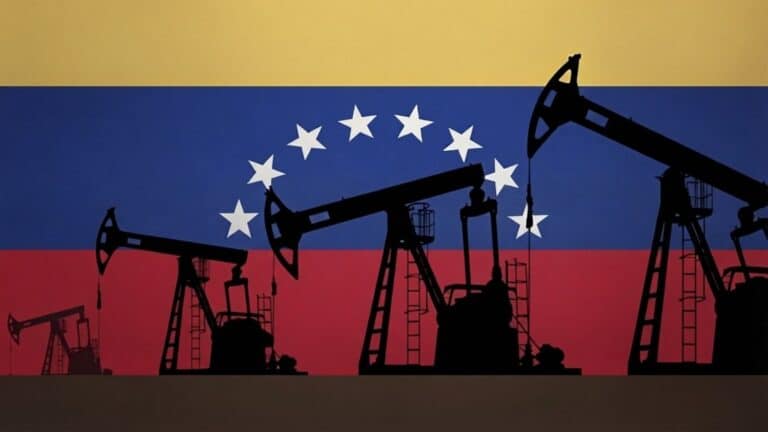
Venezuela’s oil industry has been in the spotlight since President Donald Trump captured the country’s President Nicolas Maduro.
Trump’s decision to seize sanctioned Venezuelan oil is tightening storage constraints and threatening a sharp production collapse, analysts warn
Oil prices are already under pressure due to ample supply and weak demand growth, adding strain on US shale producers.
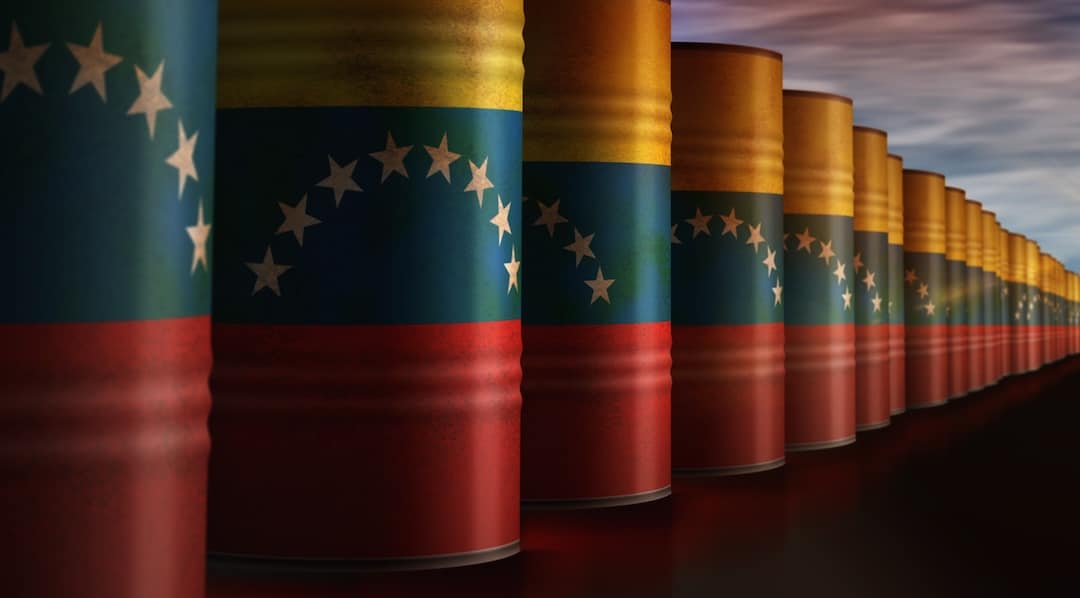
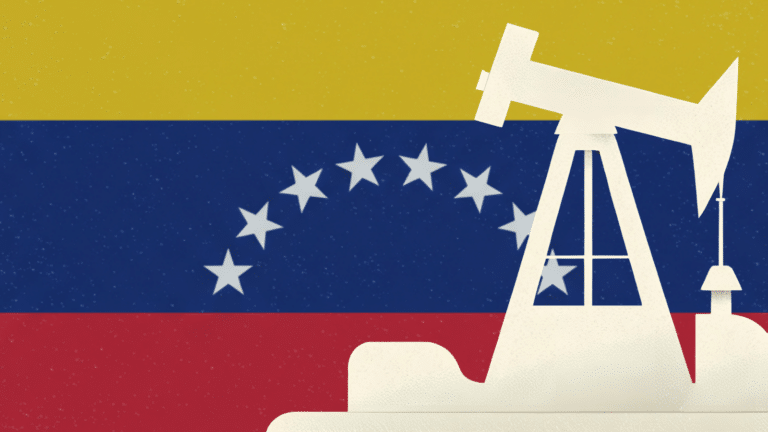
Venezuela has the largest oil reserves of any country on Earth. But the type of oil it has is difficult, and dirty, to process. Experts say ramping up production would be expensive, and dangerous for the climate and environment.
Economic mismanagement, sanctions and a weak oil cycle have starved the country of investment
President Donald Trump has spoken in unequivocal terms: US oil companies are headed back to Venezuela, theyâll spend the tens of billions of dollars required to restore the countryâs energy infrastructure, and theyâll reap the potentially enormous rewards.
Industry insiders say US oil companies want to ‘avoid getting screwed’ and will proceed with extreme caution
Trump’s plan to “take” Venezuela’s oil could backfire for US energy security and oil company shareholders.
Après la capture de Nicolas Maduro, Donald Trump lorgne sur les réserves pétrolières du pays. L’experte Luisa Palacios analyse les (vraies) perspectives …
President Trump says the U.S. will “take back” Venezuela’s oil. NPR’s Leila Fadel talks to Jason Bordoff, founding director of Columbia University’s Center on Global Energy Policy, about his remarks.
Oil Giants Are in No Rush: Investments Run Up Against Sanctions, Security Risks, and a Lack of Guarantees
Trump’s challenge to oil majors will test his influence on top CEOs.
Industry insiders have warned overhauling country’s oil industry could take years — and cost tens of billions of dollars
Founding Director, Center on Global Energy Policy; Professor, Columbia SIPA; Professor and Co-Founding Dean Emeritus, Columbia Climate School
Senior Research Scholar
Adjunct Senior Research Scholar
Senior Research Associate
Senior Fellow and Head of Corporate Partnership Strategy