This website uses cookies as well as similar tools and technologies to understand visitors’ experiences. By continuing to use this website, you consent to Columbia University’s usage of cookies and similar technologies, in accordance with the Columbia University Website Cookie Notice.
Energy Explained
Get the latest as our experts share their insights on global energy policy.
Fossil Fuels Dominated the Energy Discussion at the Trump-Xi Summit: Q&A
Last week's summit between US President Trump and Chinese President Xi was the second meeting between the two leaders since the US and Israel attacked Iran.
Podcasts
Hear in-depth conversations with the world’s top energy and climate leaders from government, business, academia, and civil society.
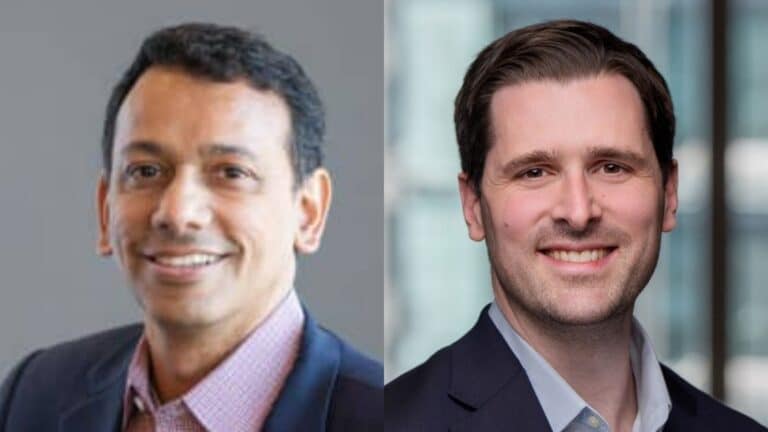
Gautam Jain and Ned Shell on the Promise of Carbon Credit Markets
Carbon credit markets have become one of the most hotly debated tools in the fight against climate change. Supporters call them essential to closing the gap between corporate...
Columbia Energy Exchange Podcast
• October 6, 2026
Events
Find out more about our upcoming and past events.
October 14, 2026
• 12:00 pm - 1:00 pm
edt
Student Roundtable with Career Coach Pam Brown
Apply to Register The Center on Global Energy Policy at Columbia University SIPA’s Women in Energy initiative invites Columbia University students to a roundtable discussion with Pam Brown,...
Event
• Center on Global Energy Policy
Large Conference Room
Large Conference Room


Biography
Kevin Brunelli is a Non-Resident Fellow at the Center on Global Energy Policy focusing on critical minerals and the battery supply chain.
Previously, he was a member of the Critical Minerals and Energy Technologies team in the Bureau of Energy Resources at the U.S. State Department where he served as the lead for critical minerals diplomacy in East Asia and Australia. He was also the Department lead for lithium, nickel, and minerals and energy technologies facing Chinese export restrictions.
He was previously a Research Associate at the Center on Global Energy Policy, focused on critical minerals, battery supply chains, and economic statecraft. Prior to working at Columbia, Kevin was a producer at CNN. He graduated from Columbia SIPA with a Master’s in Public Administration with a concentration in Energy and Environment and received a B.A from the Catholic University of America.
Relevant Articles
Trump has prioritized oil and minerals. Lower prices haven’t followed.
President Trump says America should take advantage of its natural resources to grow jobs and cut household energy bills. Those goals remain out of reach.
News and Publications
with Tom Moerenhout, Gautam Jain & Kevin Brunelli •
The Christian Science Monitor
• September 12, 2026
Dems sharpen attack on post-midterm target: Trump’s mineral deals
The Trump administration has doled out billions for mining and critical mineral processing companies. Democrats are eager to win back Congress and turn up
The Trump Administration’s Necessary but Insufficient Critical Minerals Investments: Q&A
The White House has just announced over $2 billion in new critical minerals, magnets, and battery investments.

G7 Countries Commit to Diversifying Critical Minerals Supply Without Deciding Who Bears the Cost
Critical minerals were once again near the top of the agenda for G7 leaders as they met in Évian, France, this week, a year after the G7 launched the Critical Minerals Action Plan.

Chinese Customs Data Reveal Deeper US Dependence on Chinese Rare Earths
One of the central objectives of the second Trump administration has been to pursue a maximalist trade policy toward China.
Project Vault: Big Ambitions for Critical Minerals Stockpiling Face Tensions in Execution
The US Export-Import Bank is preparing to close the first funding tranche of Project Vault, a public-private partnership establishing the US Strategic Critical Minerals Reserve.