New Report Urges Caution in the Race for Space-Based Data Centers
The report warns that space-based data centers are likely to become a reality within the next few years—well before the risks of large-scale deployment can be fully understood.
While US and Israeli forces have significantly degraded Iran’s military and nuclear capability, the global energy landscape remains in a precarious position. For weeks, the Strait of Hormuz has been effectively shut to tanker traffic, causing physical markets to tighten and rationing to spread across Asia. With the US considering an “off-ramp” to declare victory, the world faces a critical dilemma: can the global economy survive a peace that leaves Iran in control of the world’s most vital maritime chokepoint?
In this episode of the Iran Conflict Brief, host Daniel Sternoff speaks with Robin Mills to provide a view from the ground in Dubai. They discuss the reality of living under frequent drone and missile alerts, the “tit-for-tat” targeting of industrial infrastructure, and what it would take to reopen the Gulf. They also explore the long-term threat to the GCC’s economic diversification models and the potential multi-year recovery timeline for regional LNG production.
Robin Mills is a Dubai-based non-resident fellow at the Center on Global Energy Policy and the CEO of Qamar Energy. With over two decades of experience in the Middle East, including roles at Shell and the Emirates National Oil Company, Robin is a leading authority on regional oil and gas business development and the author of The Myth of the Oil Crisis.
Affordability was one of the key issues that drove US voters to the polls last week, and the resulting message for the newly elected Congress is clear: driving...
Energy costs are a big consideration for voters in much of the US today as they head to the polls. But the decisions that shape those costs will...
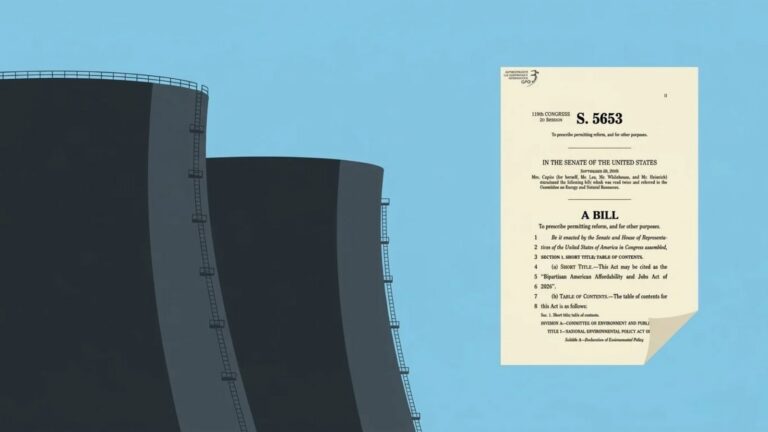
Every permitting bill promises the same thing: build faster. The harder question is what the trade-offs are, and who bears them. That question is at the heart of...
After years of trying, the US may be on the cusp of a nuclear renaissance. Commercial nuclear generation began in this country in 1958. Today, the US has...
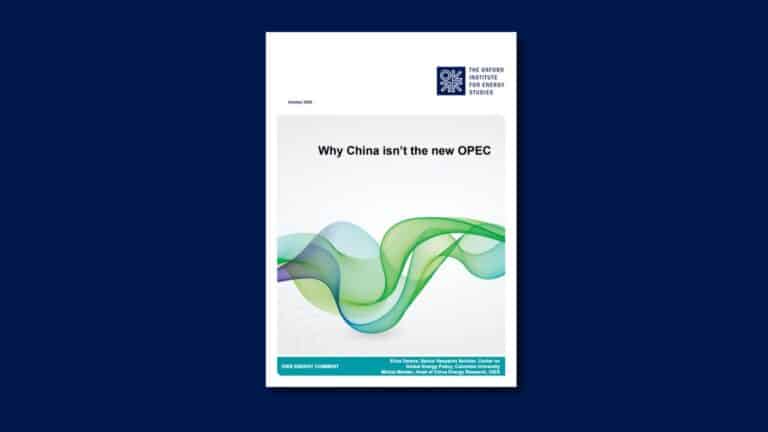
When the Strait of Hormuz closed, China's crude imports fell steeply, cushioning the price impact on global markets.
Reporting in the New York Times suggests a key element in the Trump administration's Russia-Ukraine peace plan involves Europe resuming Russian gas imports.
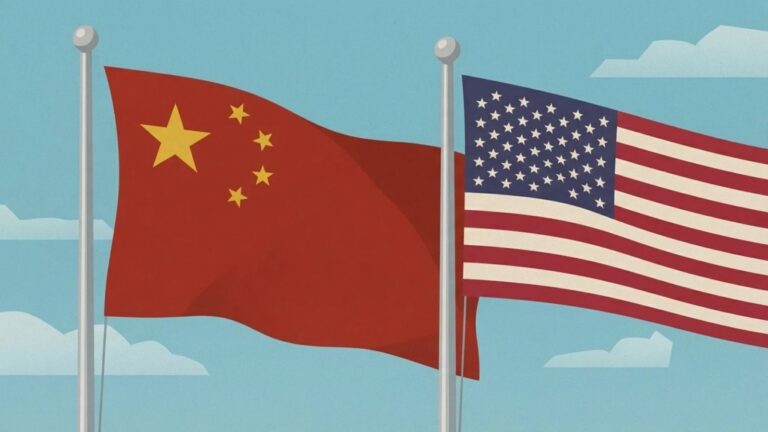
Last week's summit between US President Trump and Chinese President Xi was the second meeting between the two leaders since the US and Israel attacked Iran.
In this edition of Global Institute Dialogues Jason Bordoff discusses how the Iran crisis, China’s electrification strategy, and the US shale revolution have changed energy geopolitics.