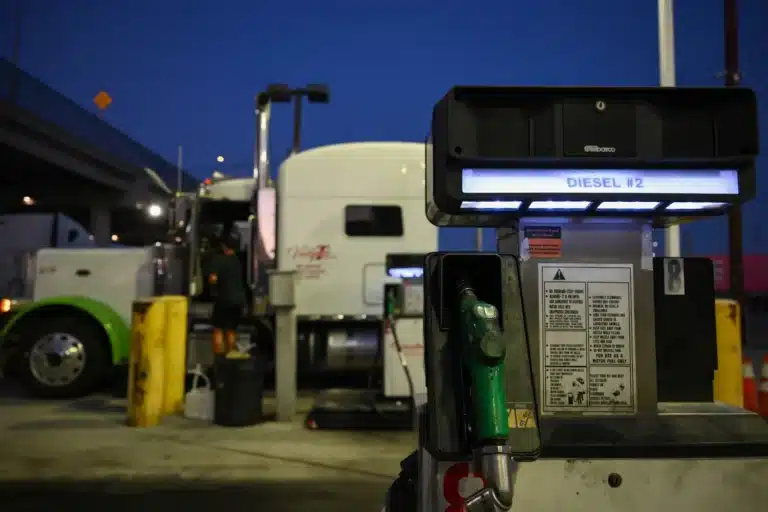
How Ukraine’s drone strikes on Russia crippled the world’s second-largest diesel supplier
President Donald Trump has blamed Ukraine for surging diesel prices that are hurting Republicans' election chances with the midterms just two weeks away.
Get the latest as our experts share their insights on global energy policy.
Reporting in the New York Times suggests a key element in the Trump administration's Russia-Ukraine peace plan involves Europe resuming Russian gas imports.
Hear in-depth conversations with the world’s top energy and climate leaders from government, business, academia, and civil society.
After years of trying, the US may be on the cusp of a nuclear renaissance. Commercial nuclear generation began in this country in 1958. Today, the US has...

Find out more about our upcoming and past events.
Registration is closed. Join Women in Energy and Pillsbury in Washington, D.C., for a conversation examining the key trends and developments shaping the energy industry, where opportunities are...

Senior Advisor for Scholarly Affairs and Senior Research...

On June 12th, Israel carried out overnight airstrikes targeting Iranian nuclear facilities, military infrastructure, military leaders, and nuclear scientists. While the full scope and implications of the attack are still emerging, energy markets responded immediately. Oil prices spiked in the aftermath, although they subsequently eased.
What are the regional implications of this conflict? How might Iran retaliate and how might the US respond? How will this impact ongoing negotiations between the US and Iran over Iran’s nuclear program? And what are the possible impacts on energy markets?
For this special episode, we pulled in two leading experts from the Center on Global Energy Policy to discuss what we know so far about Israel’s attack on Iran and what could happen in the coming days and weeks.
Richard Nephew is a senior research scholar at the Center on Global Energy Policy. He formerly served as the US Deputy Special Envoy for Iran under the Biden administration where he played a key role in negotiations over the Iran nuclear deal.
Karen Young is a senior research scholar at the Center on Global Energy Policy and a senior fellow at the Middle East Institute, where she focuses on the political economy of the Gulf states and energy policy.
Karen and Richard joined host Jason Bordoff to unpack the escalating conflict in the region. They discussed the current state of Iran’s nuclear program, the potential consequences of the unfolding crisis, and what key developments to watch for.
After years of trying, the US may be on the cusp of a nuclear renaissance. Commercial nuclear generation began in this country in 1958. Today, the US has...
Permitting reform—to allow for faster approvals on new projects—is one thing that both climate advocates and energy developers have wanted for a long time. With demand for power...

Carbon credit markets have become one of the most hotly debated tools in the fight against climate change. Supporters call them essential to closing the gap between corporate...

Global gas markets, especially in Europe, are approaching winter under serious pressure. With storage inventories lagging behind historical averages and shipping disruptions from the Middle East threatening key...

Reporting in the New York Times suggests a key element in the Trump administration's Russia-Ukraine peace plan involves Europe resuming Russian gas imports.
Last week's summit between US President Trump and Chinese President Xi was the second meeting between the two leaders since the US and Israel attacked Iran.
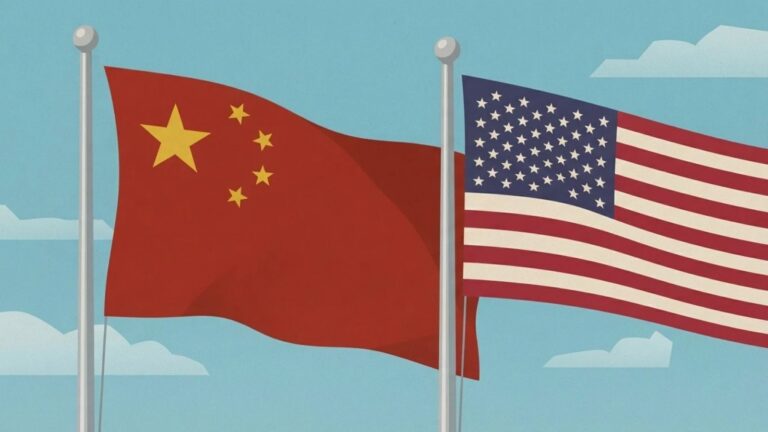
In this edition of Global Institute Dialogues Jason Bordoff discusses how the Iran crisis, China’s electrification strategy, and the US shale revolution have changed energy geopolitics.
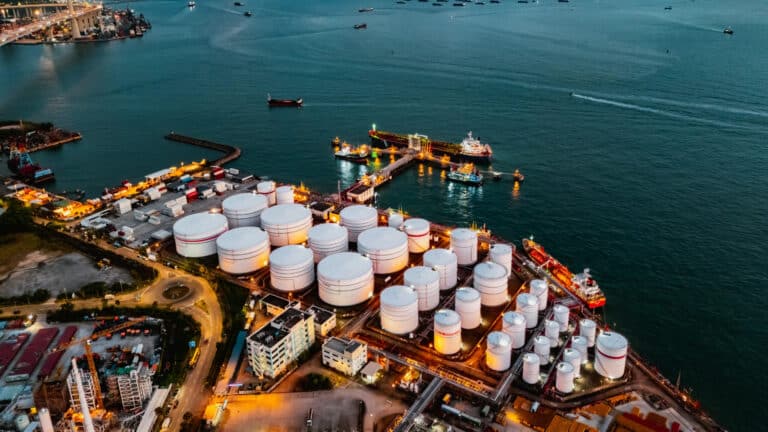
As inventories run dry and the Iran war continues to disrupt transit routes, oil has surged back to more than $100 per barrel. Diesel fuel—the workhorse of the agricultural and trucking sectors—has now soared to historic highs, pushing U.S. exports to record levels.