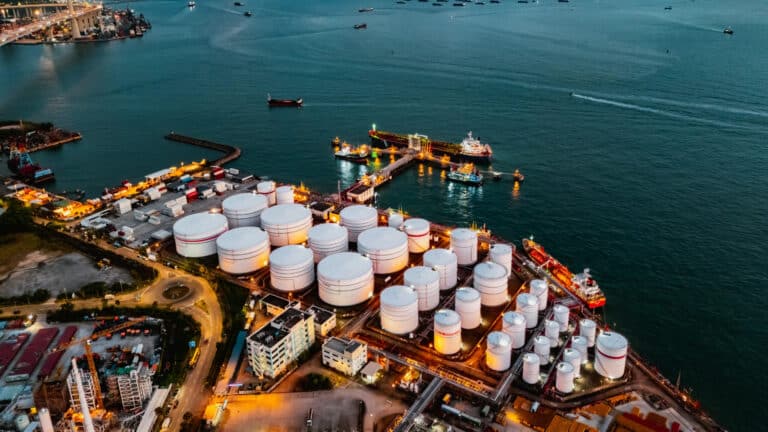
Net Power Surrendered Its Clean Dreams to Data Center Demand
The zero-emission pioneer is doing the dirty work for the AI boom.
Get the latest as our experts share their insights on global energy policy.
This Energy Explained post represents the research and views of the author(s). It does not necessarily represent the views of the Center on Global Energy Policy. The piece...

Hear in-depth conversations with the world’s top energy and climate leaders from government, business, academia, and civil society.
After years of trying, the US may be on the cusp of a nuclear renaissance. Commercial nuclear generation began in this country in 1958. Today, the US has...

Find out more about our upcoming and past events.
The Center on Global Energy Policy (CGEP) at Columbia University’s School of International and Public Affairs and ReNew invite you to Columbia India Energy Dialogue 2026, taking place...


Past Event
June 26, 2025
2:00 pm - 3:00 pm edt
As the Israel-Iran conflict continues to unfold, it remains unclear whether a ceasefire will hold or fighting will resume. This uncertainty carries significant implications for energy markets in the Middle East and around the world. Disruptions to the Strait of Hormuz—a vital corridor for global oil and gas shipments—and perception of geopolitical instability could have far reaching impacts. Join the Institute of Global Politics and the Center on Global Energy Policy at Columbia SIPA for a Rapid Response webinar featuring a panel of experts discussing the latest developments in the conflict and its potential impact on the global energy markets.
Speakers include:
This student-only roundtable gives students a chance to explore the connections between global energy markets, geopolitics, finance, and career opportunities across the energy sector.

Dr. Claudia Castro will share insights into her professional journey and the role of financial markets in shaping energy investments.

PCCMs facilitate the generation, trading, and retirement of carbon credits from projects that remove, reduce, or avoid greenhouse gas emissions. By creating a revenue stream from verified climate...

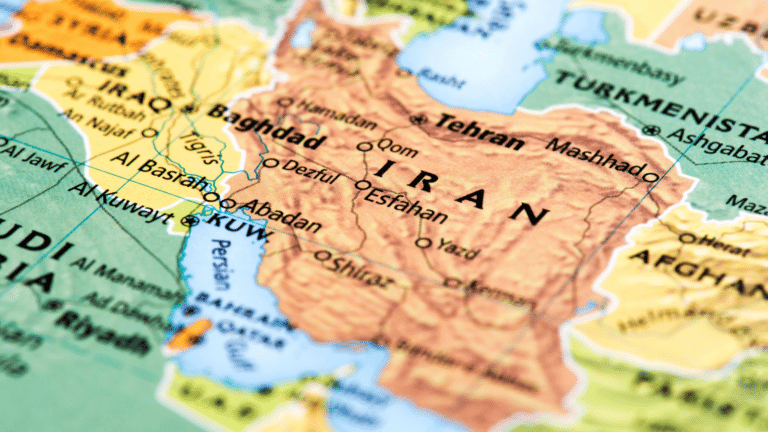
More than a month into the Iran conflict, the United States and Iran are at a critical inflection point.

Reporting in the New York Times suggests a key element in the Trump administration's Russia-Ukraine peace plan involves Europe resuming Russian gas imports.
Last week's summit between US President Trump and Chinese President Xi was the second meeting between the two leaders since the US and Israel attacked Iran.
In this edition of Global Institute Dialogues Jason Bordoff discusses how the Iran crisis, China’s electrification strategy, and the US shale revolution have changed energy geopolitics.