This website uses cookies as well as similar tools and technologies to understand visitors’ experiences. By continuing to use this website, you consent to Columbia University’s usage of cookies and similar technologies, in accordance with the Columbia University Website Cookie Notice.
Energy Explained
Get the latest as our experts share their insights on global energy policy.
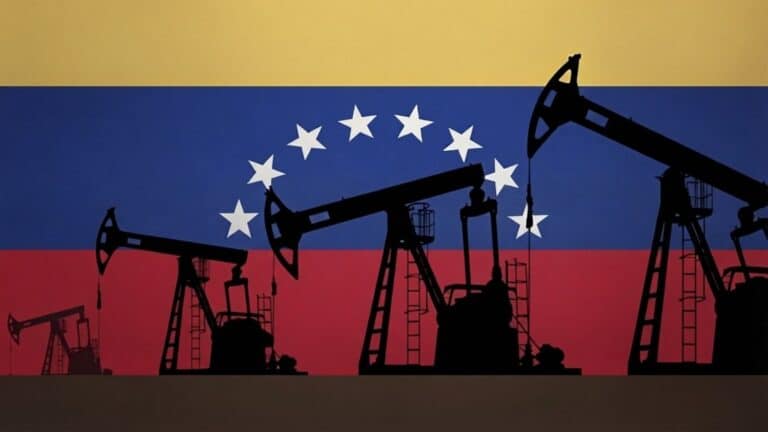
The US-Venezuela Oil Deal Might De-Risk Oil Company NABEP But Not Venezuela
The White House announced last week an oil deal for more than 65 billion barrels of oil reserves in Venezuela and a 35% equity stake in North American Blue Energy Partners (NABEP).
Podcasts
Hear in-depth conversations with the world’s top energy and climate leaders from government, business, academia, and civil society.
Six Months In: Iran War Widens as Energy Markets Feel the Shock
More than six months into the war with Iran, the Strait of Hormuz crisis continues to cause turmoil in the Gulf region and global energy markets with no...
Columbia Energy Exchange Podcast
with Richard Nephew
, Daniel Sternoff
and Karen E. Young
• September 15, 2026

Events
Find out more about our upcoming and past events.
September 21, 2026
• 6:00 pm - 9:00 pm
edt
The Future of Climate Tech: Innovation, Careers, and Connections
Join industry leaders, innovators, employers, and emerging talent for an evening exploring the technologies, trends, and career opportunities shaping the future of climate tech.
Event
• 31 W 52nd St, New York, NY 10019

Podcast
Growing Israel-Iran Conflict and Its Impact on Energy Markets
June 19, 2025
Guests

Daniel Sternoff
Senior Fellow and Head of Corporate Partnership Strategy

In the growing conflict between Israel and Iran, many questions now loom, including the extent of US involvement, the potential for regime change, and the status of Iran’s nuclear program. All this uncertainty and speculation is having some impact on energy markets and potentially much more in the weeks to come.
While there have been some attacks on energy infrastructure, there has not been a significant disruption in oil or gas supply to the global market. Some energy traders are seemingly anticipating that the conflict will remain contained in the months to come, but this is far from certain.
How is the conflict evolving? What are the paths for a ceasefire or diplomatic resolution to end the conflict? How is all of this impacting energy markets?
In response to events on June 12, we pulled in Daniel Sternoff and Richard Nephew, two leading experts at the Center on Global Energy Policy at Columbia University SIPA to discuss what we know about Israel’s attack on Iran, the backdrop of a volatile energy market, and what could happen in the coming days and weeks.
Daniel is non-resident fellow at CGEP. He is also the Head of Energy Aspects’ Executive Briefing Service.
Richard is a senior research scholar at CGEP. He formerly served as the US Deputy Special Envoy for Iran under the Biden administration where he played a key role in negotiations over the Iran deal.
Daniel and Richard joined Jason Bordoff on the afternoon of June 18 to unpack the escalating conflict in the region. They discussed the current state of Iran’s nuclear program, the scenarios for conflict escalating in the Middle East and how oil prices fit into and might be affected by all of this.
More Episodes
Six Months In: Iran War Widens as Energy Markets Feel the Shock
More than six months into the war with Iran, the Strait of Hormuz crisis continues to cause turmoil in the Gulf region and global energy markets with no...
Columbia Energy Exchange Podcast
with Richard Nephew
, Daniel Sternoff
and Karen E. Young
• September 15, 2026
Luisa Palacios and Bob McNally on Why the US-Venezuela Oil Deal Matters
It's been a tumultuous year for Venezuela, marked by political upheaval and deadly earthquakes. Then, in late August, the Trump administration announced a deal for over 65 billion...

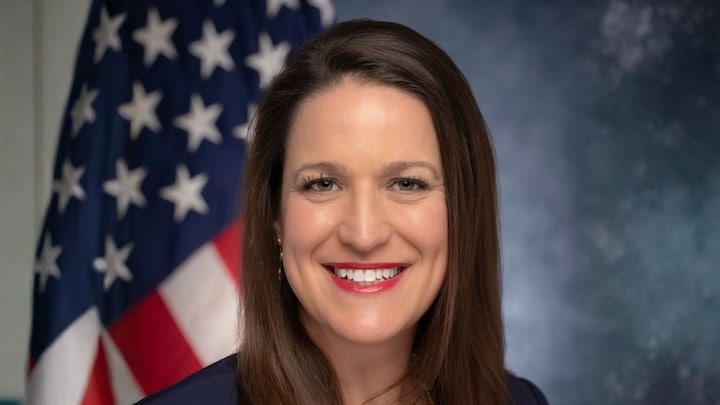
DOE’s Audrey Robertson on Growing US Critical Mineral Supply
Advanced technologies, a return to domestic manufacturing, and the race to control energy production while also confronting surging demand for electricity—all of these factors mean that for the...
Columbia Energy Exchange Podcast
• September 1, 2026
Editor’s Pick: Rajiv Shah on Delivering Universal Abundant Energy Access
Energy abundance means different things in today’s global context than it did even a decade ago. It is about expanding electricity access while meeting rising energy demand. It...
Columbia Energy Exchange Podcast
• August 25, 2026

Relevant
Publications
The Long Shadow of the Iran Shock
By almost any measure, the world should be suffering a far more severe energy crisis.

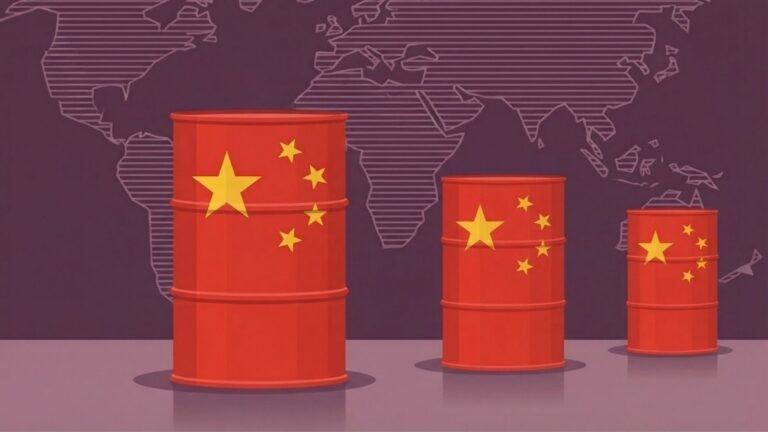
How China Is Managing Lower Oil Imports
The ongoing disruption of oil exports through the Strait of Hormuz has caused a substantial decline in China's crude oil imports.