Europe’s economy faces a one-two punch from extreme weather and war
Soaring temperatures are forcing drastic measures in Europe, where heatwaves are straining an economy under pressure from higher energy prices due to the Iran war.
Get the latest as our experts share their insights on global energy policy.
The ongoing disruption of oil exports through the Strait of Hormuz has caused a substantial decline in China's crude oil imports.
Hear in-depth conversations with the world’s top energy and climate leaders from government, business, academia, and civil society.
It started last year as a pressure campaign at sea, with the United States seizing tankers as part of what President Trump called a “total and complete blockade”...

Find out more about our upcoming and past events.
Join industry leaders, innovators, employers, and emerging talent for an evening exploring the technologies, trends, and career opportunities shaping the future of climate tech.


Senior Advisor for Scholarly Affairs and Senior Research...

Senior Fellow and Head of Corporate Partnership Strategy

Just two days after President Trump deployed America’s military to attack Iranian nuclear development sites, a shaky ceasefire between Israel and Iran brokered by President Trump emerged. So far, this deal appears to be holding, but there’s no formal ceasefire agreement in place—at least not yet.
It is clear that Iran’s nuclear infrastructure has suffered significant damage, but it’s not clear just how extensive that damage really is. That uncertainty leaves a lot of unanswered questions about where things go from here.
Will there be a formal ceasefire in the coming days? How did energy markets react to the rapid de-escalation? And is this conflict really over?
To help unpack the latest, leading experts at the Center on Global Energy Policy, Columbia University SIPA joined Jason Bordoff for a special rapid response episode to discuss what we know so far about the ceasefire between Israel and Iran, how oil markets reacted, and the status of American sanctions on Iran.
Richard Nephew is a senior research scholar at CGEP. He formerly served as the US deputy special envoy for Iran under the Biden administration where he played a key role in negotiations over the Iran nuclear deal.
Karen Young is a senior research scholar at CGEP and a senior fellow at the Middle East Institute, where she focuses on the political economy of the Gulf states and energy policy.
Daniel Sternoff is a non-resident fellow at CGEP. He is also the head of Energy Aspects’ Executive Briefing Service.
Richard, Karen and Daniel joined Jason on the afternoon of June 25 to discuss the current state of Iran’s nuclear program, the broader geopolitical and economic implications of this unfolding crisis, and where it all goes from here.
It started last year as a pressure campaign at sea, with the United States seizing tankers as part of what President Trump called a “total and complete blockade”...
Over the past five months, the Strait of Hormuz has been closed for extended stretches of time, disrupting roughly 10 to 15 million barrels of oil supply each...

As the demand for power surges across the US, the debate over how to build energy infrastructure has reached a fever pitch. And while both sides of the...
Critical minerals sit at the intersection of energy technology, industrial competitiveness, and economic resilience. The issue has hit a fever pitch in the United States, driving the Trump...

By almost any measure, the world should be suffering a far more severe energy crisis.
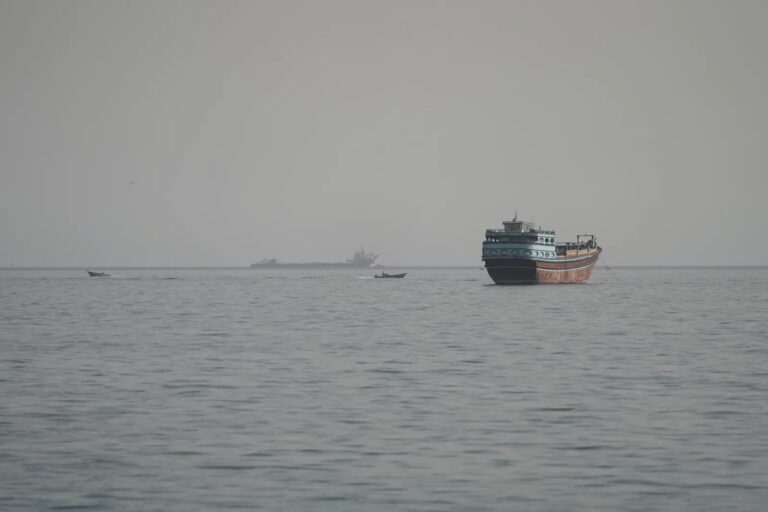
The ongoing disruption of oil exports through the Strait of Hormuz has caused a substantial decline in China's crude oil imports.
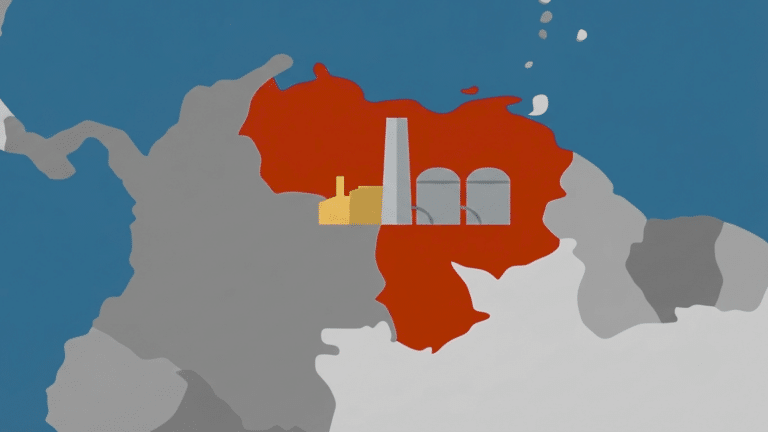
The economic and humanitarian consequences of the June 24 twin earthquakes in Venezuela continue to emerge.
The Trump administration and Saudi leadership have reportedly agreed to a nuclear agreement that could enable US nuclear technology transfers to Saudi Arabia.