Prix des carburants : pourquoi les raffineries sont au cœur de la tempête
Plus que d'un problème pétrolier, la flambée des prix du carburant résulte de tensions sur les capacités mondiales de raffinage.
Get the latest as our experts share their insights on global energy policy.
Last week's summit between US President Trump and Chinese President Xi was the second meeting between the two leaders since the US and Israel attacked Iran.
Hear in-depth conversations with the world’s top energy and climate leaders from government, business, academia, and civil society.
Carbon credit markets have become one of the most hotly debated tools in the fight against climate change. Supporters call them essential to closing the gap between corporate...

Find out more about our upcoming and past events.
Apply to Register The Center on Global Energy Policy at Columbia University SIPA’s Women in Energy initiative invites Columbia University students to a roundtable discussion with Pam Brown,...

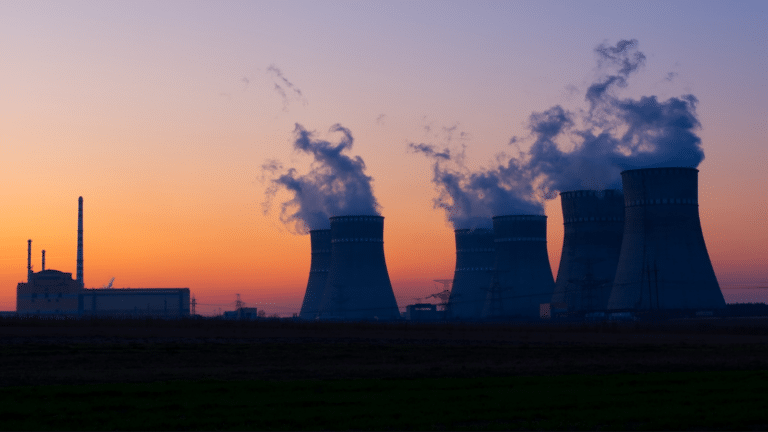
Although it is a source of essentially carbon-free power, nuclear energy remains one of the most divisive components of the world’s primary energy mix. Its future rests largely on questions of cost, safety, waste management and proliferation-resistant technology.
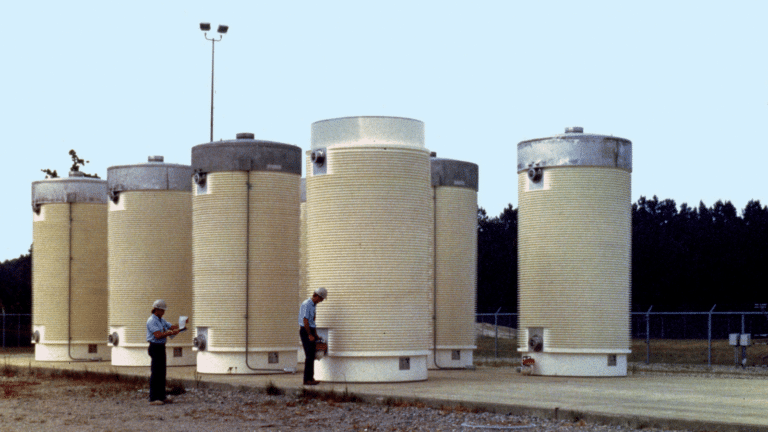
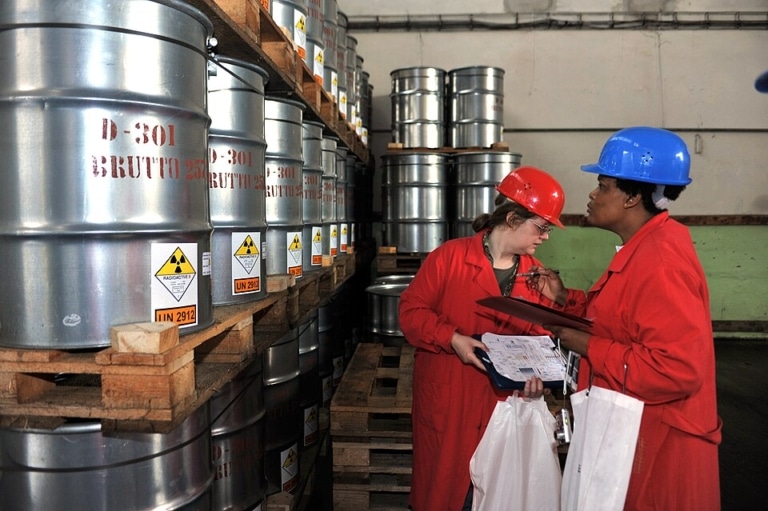
The United States has struggled for decades to make progress on managing spent nuclear fuel (SNF) from its commercial power reactors.
The Trump administration has submitted to Congress a new nuclear energy cooperation agreement with Saudi Arabia.
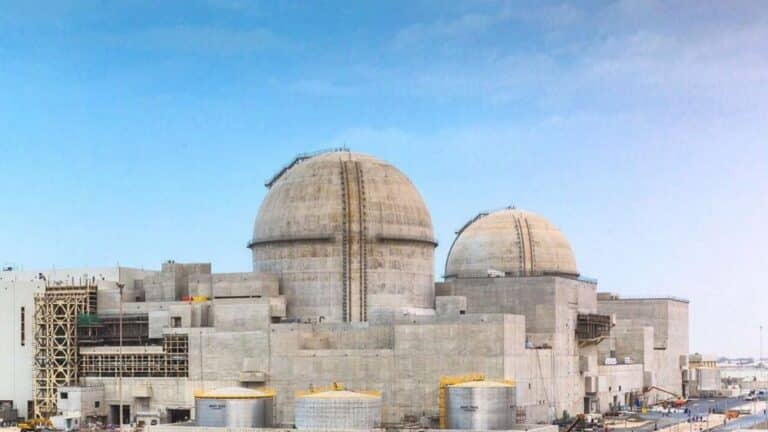
On Aug. 24, 2026, the Trump administration transmitted the text of the U.S.-Saudi nuclear cooperation agreement to Congress. By doing so, the
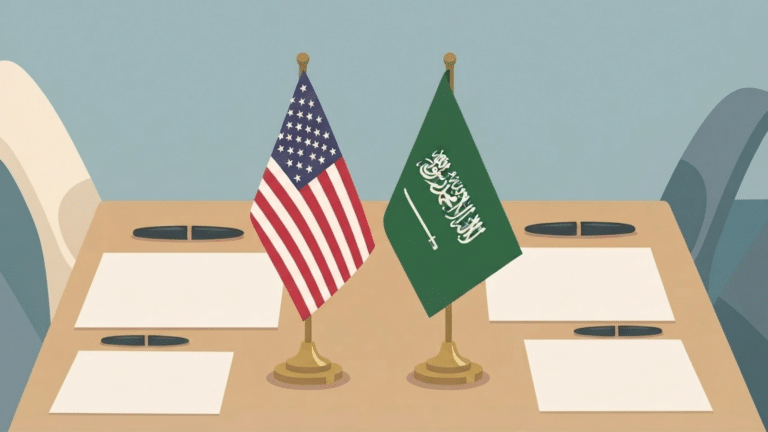
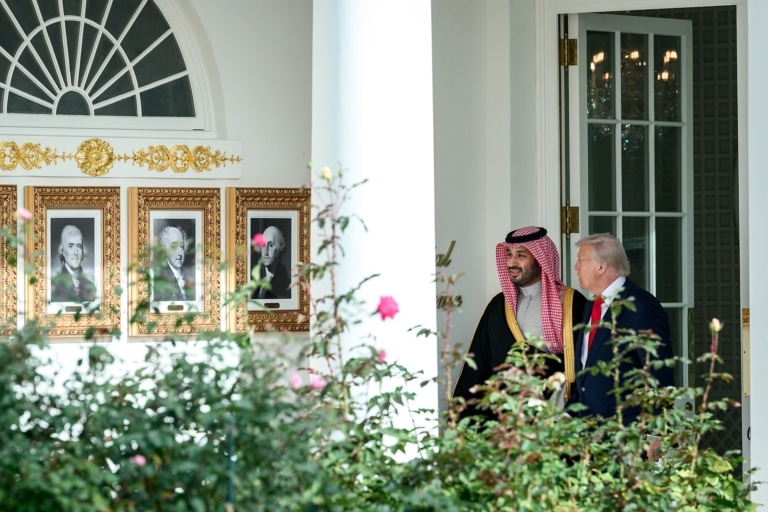
The Trump administration and Saudi leadership have reportedly agreed to a nuclear agreement that could enable US nuclear technology transfers to Saudi Arabia.
India’s SHANTI Act opens the nuclear power sector to private participation while retaining state oversight of strategic assets. The move addresses limits of the state-led model and supports India’s goal of reaching 100 GW of nuclear capacity by 2047. Stronger regulation and private investment could accelerate nuclear expansion, strengthen energy security and aid decarbonisation.

On June 22, the United States announced that it had signed a nuclear cooperation agreement with Saudi Arabia. This type of agreement broadly authorizes
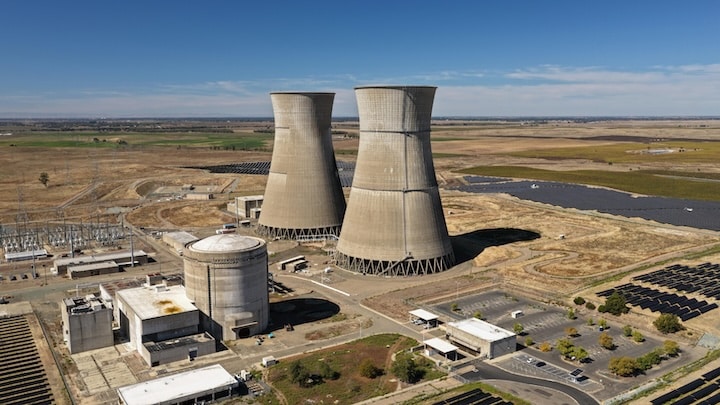
On February 24, 2026, CGEP hosted a private virtual roundtable under the Chatham House rule to discuss the importance of an independent nuclear safety regulator.
America needs a plan for Tehran's nuclear program.

Concerns about greenhouse gas emissions, air pollution, and energy security are driving increased interest in nuclear power.