LIVE: Daily Energy Markets Podcast 2026
Enjoy the videos and music you love, upload original content, and share it all with friends, family, and the world on YouTube.
Get the latest as our experts share their insights on global energy policy.
A House committee voted to allow the Advisory Committee on Reactor Safeguards (ACRS) to decline certain application reviews.

Hear in-depth conversations with the world’s top energy and climate leaders from government, business, academia, and civil society.
Permitting reform—to allow for faster approvals on new projects—is one thing that both climate advocates and energy developers have wanted for a long time. With demand for power...

Find out more about our upcoming and past events.
Putting data centers in space once seemed fanciful. Today, a growing number of companies have started doing so.

Past Event
September 10, 2026
10:00 am - 11:00 am edt
PCCMs facilitate the generation, trading, and retirement of carbon credits from projects that remove, reduce, or avoid greenhouse gas emissions. By creating a revenue stream from verified climate outcomes, PCCMs help decarbonization projects attract financing that might otherwise be unavailable. Moreover, some projects provide co-benefits, such as the preservation of land, forests, water, and biodiversity. PCCMs have expanded rapidly since their emergence, but the growth has stalled in recent years due to concerns about credit integrity.
Voluntary standards have made significant progress in strengthening credit integrity, but their non-binding nature limits their capacity to provide enforceable safeguards, consistent oversight, or dependable recourse for market participants. For PCCMs to gain credibility and function with integrity, countries need regulatory frameworks that can fill these gaps. To better understand the varying evolution of regulations for PCCMs across the globe, CGEP combined comparative research with expert convenings to examine how national regulations have been developing globally and assessed whether these frameworks could help close the integrity gap in these markets.
This webinar follows CGEP’s publication of a white paper from this effort that takes stock of the regulatory landscape for PCCMs across G20 countries and Singapore. The webinar begins with a brief presentation on the main findings from CGEP’s research and will be followed by a moderated panel discussion of PCCM regulations with experts from the UK, the EU, and Singapore, who speak about the motivation behind establishing regulations in each of their respective countries, where implementation currently stands, and what remains to be done. Relatedly, the World Bank has produced a toolkit that offers countries a practical pathway to develop or strengthen their regulatory frameworks for high-integrity carbon credit transactions.
For more information about the event, please contact [email protected].
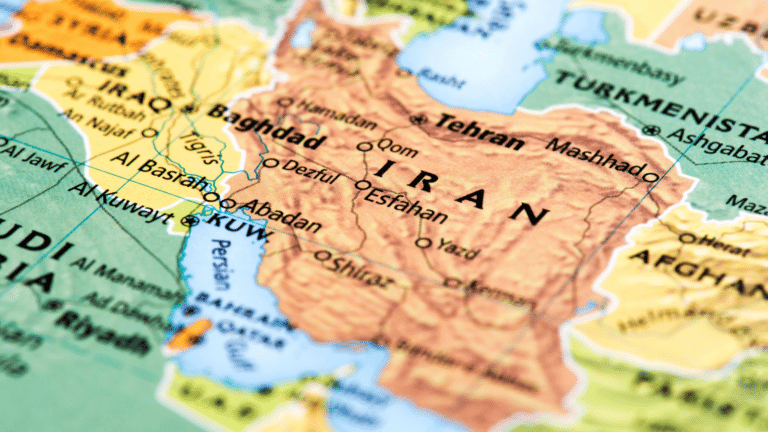
More than a month into the Iran conflict, the United States and Iran are at a critical inflection point.

The Center on Global Energy Policy at Columbia University SIPA is pleased to host a virtual webinar with experts from Kenya, India, and Brazil to discuss and better understand the landscape...
Join us on February 25 for an in-depth, student-only conversation. Registration is required, and space is limited. The Center on Global Energy Policy at Columbia University SIPA’s Women...

On January 1, 2026, the European Union's highly-anticipated Carbon Border Adjustment Mechanism (CBAM) will take effect. Introduced in 2023, CBAM will require the importers of certain carbon-intensive goods...
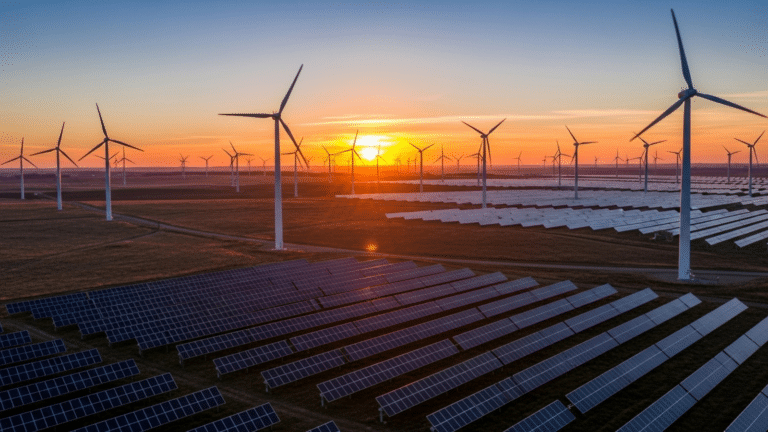
The Middle East crisis has increased demand for China's clean technologies.
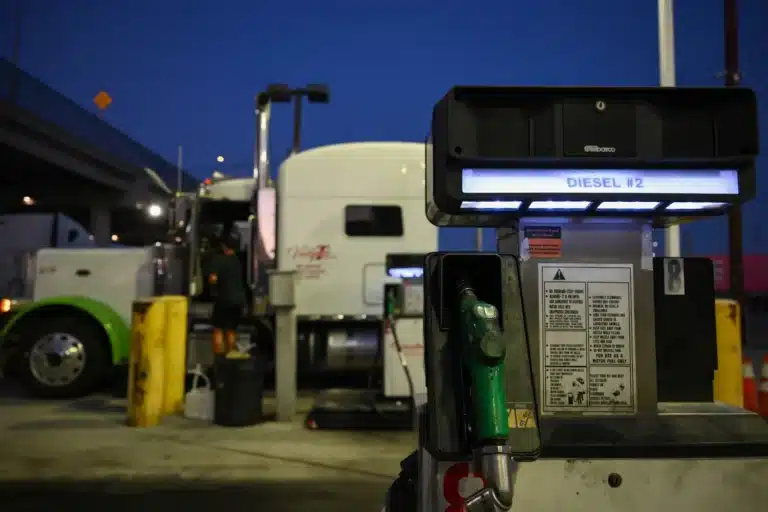
As inventories run dry and the Iran war continues to disrupt transit routes, oil has surged back to more than $100 per barrel. Diesel fuel—the workhorse of the agricultural and trucking sectors—has now soared to historic highs, pushing U.S. exports to record levels.