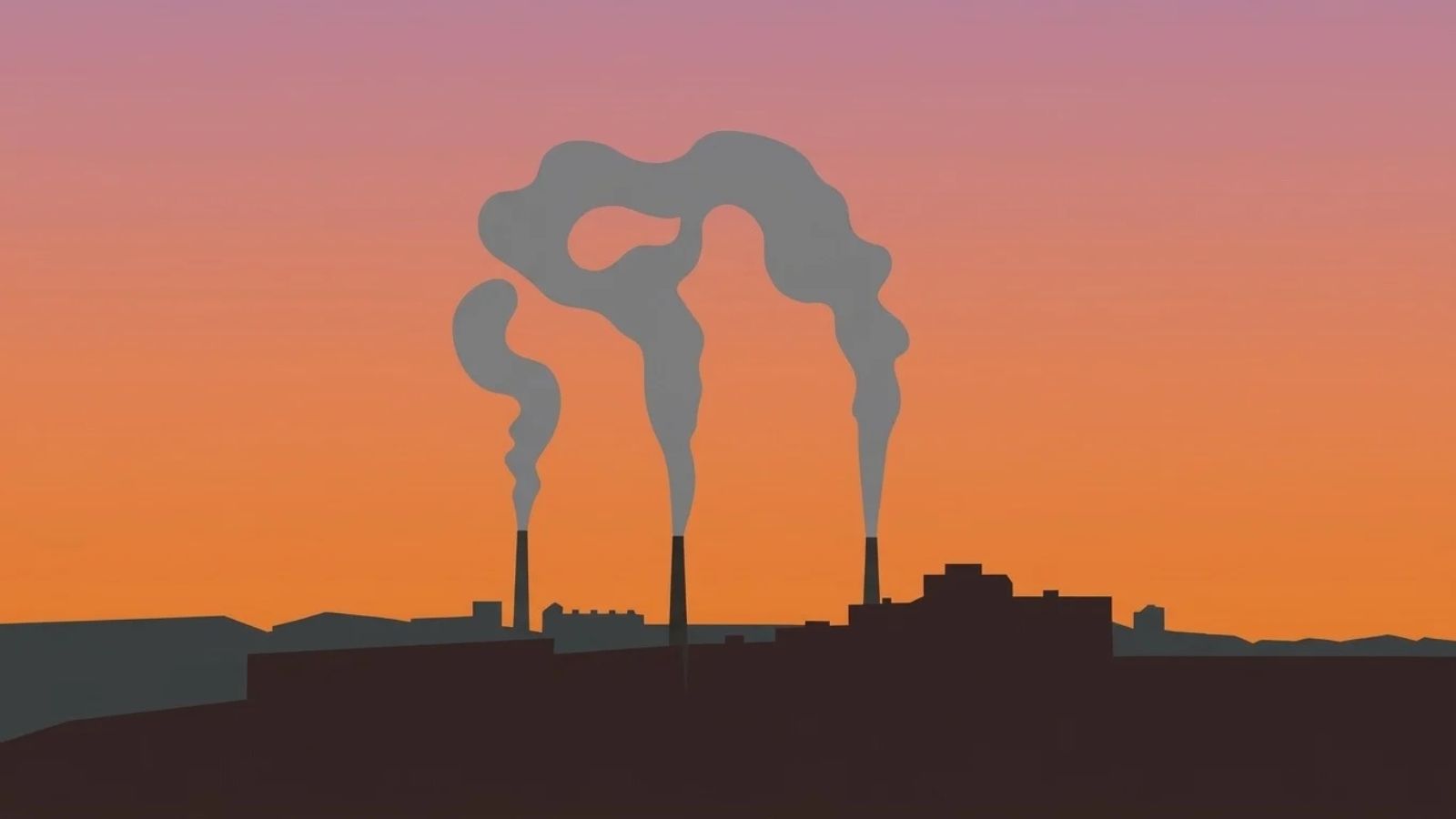
How Ukraine’s drone strikes on Russia crippled the world’s second-largest diesel supplier
President Donald Trump has blamed Ukraine for surging diesel prices that are hurting Republicans' election chances with the midterms just two weeks away.
Get the latest as our experts share their insights on global energy policy.
This Energy Explained post represents the research and views of the author(s). It does not necessarily represent the views of the Center on Global Energy Policy. The piece...
Hear in-depth conversations with the world’s top energy and climate leaders from government, business, academia, and civil society.
After years of trying, the US may be on the cusp of a nuclear renaissance. Commercial nuclear generation began in this country in 1958. Today, the US has...

Find out more about our upcoming and past events.
Registration is closed. Join Women in Energy and Pillsbury in Washington, D.C., for a conversation examining the key trends and developments shaping the energy industry, where opportunities are...
Insights from the Center on Global Energy Policy
This Energy Explained post represents the research and views of the author(s). It does not necessarily represent the views of the Center on Global Energy Policy. The piece may be subject to further revision. Contributions to SIPA for the benefit of CGEP are general use gifts, which gives the Center discretion in how it allocates these funds. More information is available here. Rare cases of sponsored projects are clearly indicated.
The EU Methane Regulation (EUMR) is the first of its kind globally. It aims to reduce methane emissions from the energy sector by targeting crude oil, natural gas, and coal produced in or imported into the EU. Since entering into force in August 2024, the law has become increasingly controversial because important elements have yet to be worked out in secondary legislation, political winds have shifted—notably in the United States, which currently supplies roughly one-quarter of the EU’s gas consumption—and global oil, gas, and refined products markets are facing tighter-than-expected conditions.
The main points of contention have been compliance methodologies and the application of financial penalties for noncompliance, pitting the European Commission (EC) and industry against each other in a game of who blinks first. After an intense lobbying campaign by several oil and gas producers, traders, and buyers, the EC proposed on October 14 to “postpone by one year [to January 1, 2028] the implementation of specific provisions of the EU Methane Regulation related to importers.” On October 22, the majority of European Parliament agreed to delay implementation by not one but three years, a position that will now be the starting point of its negotiations with the Council. If this significant delay is adopted, it would represent a detrimental outcome for all stakeholders involved.
Consumers have a clear interest in the quick institutionalization of these rules, particularly amid mounting pressure on global natural gas systems caused by the recent string of wars and trade barriers. Global methane emissions from oil and gas are roughly equivalent to the size of Norwegian annual gas production—a significant amount of waste.[1] The International Energy Agency (IEA) has estimated that nearly 15 billion cubic meters (bcm) of gas could be made available in the short term if importing and exporting countries with spare capacity implemented methane abatement measures.
Delaying further implementation of the EUMR would also reflect poorly on EU policymakers. Since the regulation was adopted in 2024, the EC’s Directorate-General for Energy (DG ENER) has yet to deliver on the tasks it prescribes. By February 2026, a Methane Transparency Database and a Rapid Reaction Mechanism for detecting super-emitting events were supposed to be launched. By August 2026, Methane Performance Profiles and a Global Methane Monitoring Tool were supposed to be published. None of these instruments were delivered on time, providing further fodder for the argument that delayed implementation is the best path forward.
Meanwhile, the DG ENER has yet to provide a sufficiently clear and harmonized framework on import compliance and monitoring, reporting, and verification (MRV), particularly around the implementation of equivalence requirements under Article 28. Additionally, several Member States delayed appointing national Competent Authorities (CAs). Both the EC and CAs have been slow to establish a consistent and enforceable framework for assessing compliance across complex gas supply chains. The EC’s nonbinding recommendations in July and September 2026 on the application of penalties prompted criticism from industry about their legal value. On October 12, 2026, the EC finally published a feedback call on the reporting templates for methane emissions.
Industry has not done itself any favors. For years, it congratulated itself on progress in measuring, quantifying, and reporting emissions data, using participation in initiatives such as OGMP 2.0 as proof that it had earned a long-term social license to operate. While some companies can genuinely make that claim, the picture is more nuanced for others. As the political winds shifted, net-zero commitments and environmental, social, and governance (ESG) programs were cast aside, and support for greenhouse gas legislation eroded. Industry lobbyists often say that their opposition is directed not at the EUMR itself, or at the idea of being regulated, but at poorly designed regulation. Only time will tell.
Industry has also instrumentalized security of supply concerns arising from the Middle East crisis to make its case against the EUMR in its current form. This argument is more salient at a time when liquefied natural gas and certain refined products are in short supply. However, the argument that noncompliant gas and oil would be turned away at European ports is inconsistent with the EUMR, which contains no such statutory import ban. Because the EC blinked first, we may never know whether “up to 43 percent of EU gas imports and 87 percent of crude oil imports [were indeed] at risk from 2027.” Had those volumes been lost, the result would have been an EU energy crisis worse than 2022 and a blow to the reputation of the fossil fuel industry. What is clear, however, is that even with delayed implementation, the regulation’s overall objectives and scope remain unchanged. Consequently, the delay can hardly be considered a win for industry.
Delaying implementation of the EUMR would be especially bad news for the climate. The significant global warming potential of methane emissions is well documented. Moreover, a substantial amount of methane that seeps into the atmosphere during oil and natural gas production and transport can be captured relatively easily and at modest cost, with some approaches even delivering net economic benefits. Reducing fugitive methane emissions has long been touted as a low hanging fruit in stemming global warming.
Despite the many economic, environmental, and institutional costs outlined above, the risk of a major delay is now substantial. However, more constructive cooperation between industry and the EC could help avert this outcome. The EC clearly needs and has publicly called for support, and industry needs clear verification protocols, accreditation of verifiers, and harmonized penalty rules. As noted in the summary of a recent workshop on the EUMR, “the verification protocols, the accreditation of verifiers against them, and consistency between Member States are what this year is for.” The EC would also need to prioritize addressing outstanding regulatory gaps and providing producers and investors with greater clarity on what they need.
Possibly, cooperation between the EU and Canada can offer a promising opportunity to explore the potential for partnership between an energy supplier and an importer, particularly given that Canadian state rules have remained in place well after passage and political support for methane emissions abatement has not dwindled. Over the next twelve months, both Canada and the EU could become the world’s “methane abatement laboratory,” with ongoing case studies, policy experimentation, and sharing of lessons learned.[2] This would be a markedly better scenario for the EC than simply kicking the can further down the road.
[1] IEA estimates suggest that roughly 80 million metric tons of CH4 emissions escape from global oil and gas systems annually, which translates to roughly 120 billion cubic meters of natural gas per year; International Energy Agency, “Global Methane Tracker – Key Findings,” accessed October 14, 2026, https://www.iea.org/reports/global-methane-tracker-2026/key-findings.
[2] Canada does not currently export LNG to the EU, but it does export oil; Library of Parliament, “Trade and Investment,” accessed October 15, 2026, https://lop.parl.ca/sites/PublicWebsite/default/en_CA/ResearchPublications/TradeAndInvestment/2026513E.
The White House has just announced over $2 billion in new critical minerals, magnets, and battery investments.
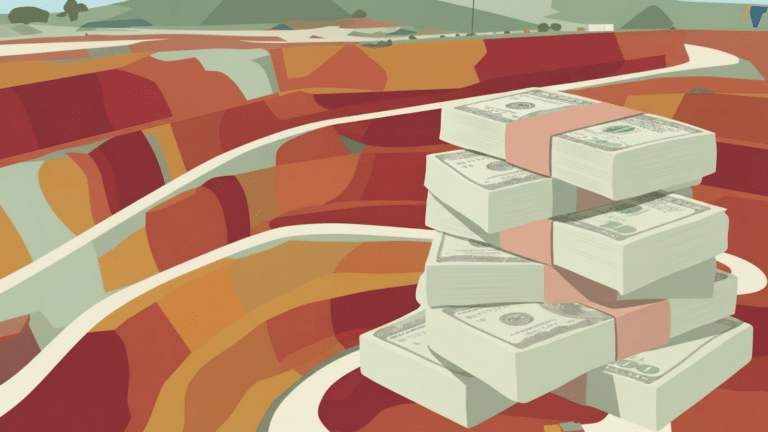
Critical minerals were once again near the top of the agenda for G7 leaders as they met in Évian, France, this week, a year after the G7 launched the Critical Minerals Action Plan.

In March 2026, the Office of the US Trade Representative (USTR) announced it was investigating "structural excess capacity and production in manufacturing sectors" in 16 economies.
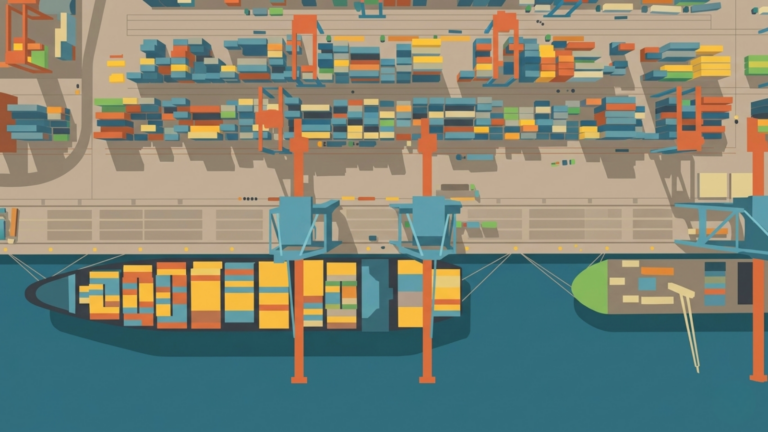
The US Export-Import Bank is preparing to close the first funding tranche of Project Vault, a public-private partnership establishing the US Strategic Critical Minerals Reserve.
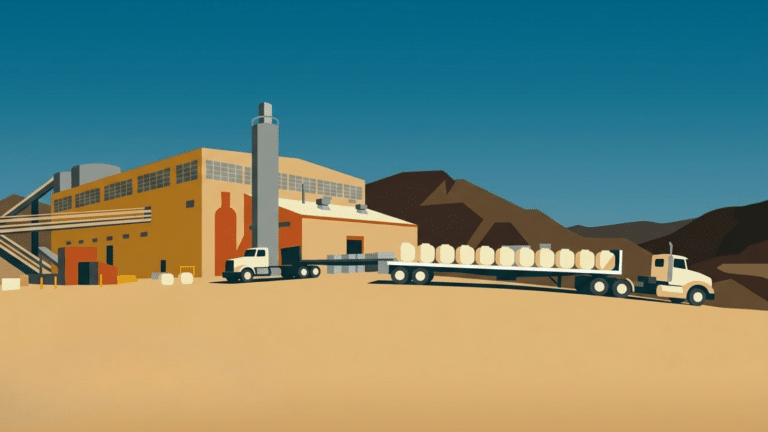
The interactive tool estimates how the Bipartisan American Affordability and Jobs Act could impact the permitting and construction timelines of different types of energy projects.

Think tank indipendente per la transizione energetica e industriale dell'Italia