Trump is frustrated gasoline prices don’t mirror oil’s decline. Experts say it’s not that simple
U.S. gasoline prices decreased an average of 49 cents a gallon in the last month as expectations rose for an end to the war with Iran.
Get the latest as our experts share their insights on global energy policy.
This Energy Explained post represents the research and views of the author(s). It does not necessarily represent the views of the Center on Global Energy Policy. The piece...

Hear in-depth conversations with the world’s top energy and climate leaders from government, business, academia, and civil society.
The energy transition is in the midst of its own transition. Spiking electricity demand and geopolitical events are driving up energy prices, while debates over the best sources...

This is the fourth episode of a five-part series exploring the European energy crisis in the wake of Russia’s invasion of Ukraine. If you haven’t listened to the first three episodes, we recommend you start there.
After the Russian invasion of Ukraine, many Germans and Poles installed heat pumps and residential solar panels to reduce their dependence on Russian fossil fuels.
But do the countries have the skilled workforce they need to meet rapidly growing demand?
In this episode, we examine the role of these technologies in building the net-zero economy—and how supply chain problems and a shortage of trade workers has hindered the mobilization of clean technologies.
Then, we look at the efforts to solve these bottlenecks with campaigns to recruit a new wave of electricians, engineers, and other craftspeople.
So far over this season we've traced the global lithium-ion battery supply chain from mining to processing to manufacturing. And we've put it all into a geopolitical and economic context.
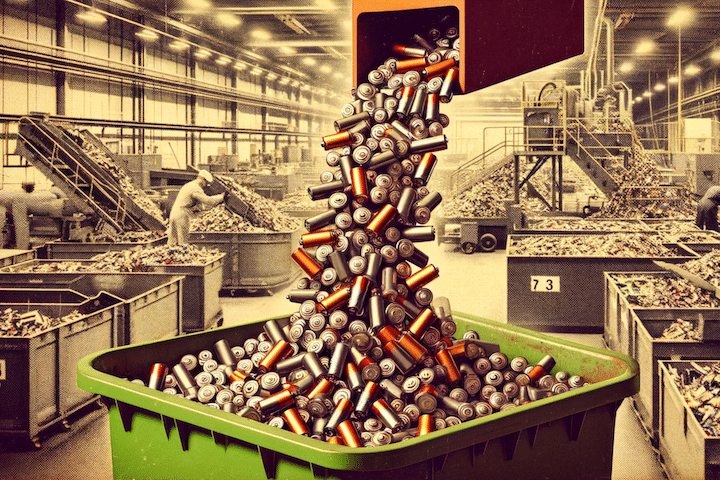
China has been the world's biggest battery manufacturer for over a decade. By 2022, according to the IEA, China manufactured 76% of the world's batteries. But that's changing.
Batteries can replace gasoline in our cars, or diesel in our generators with electricity. But batteries and petroleum-based fuels share something in common: they both rely on energy-intensive processes to turn extracted materials into something useful.
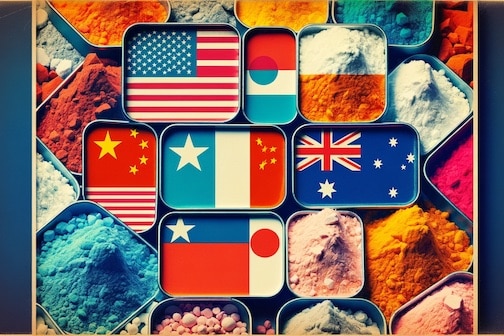
To produce enough batteries to reach global net-zero goals, the International Energy Agency says we'll need to increase production of critical minerals by six fold by 2040. It's a monumental task.

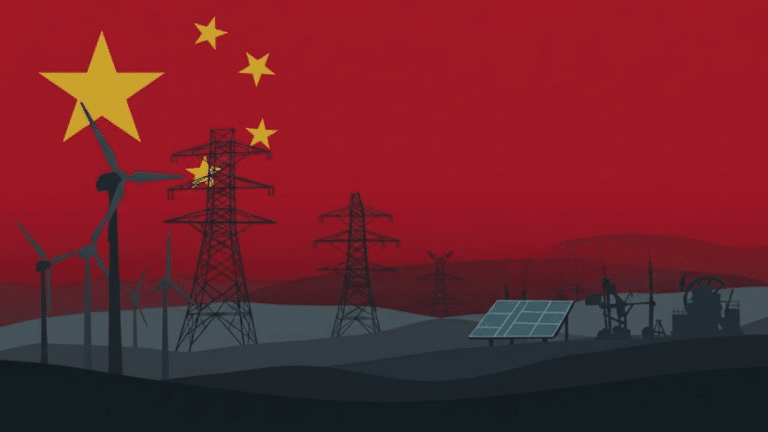
Two economic planning documents released at the March meeting of China's National People’s Congress include the term "energy powerhouse" for the first time.
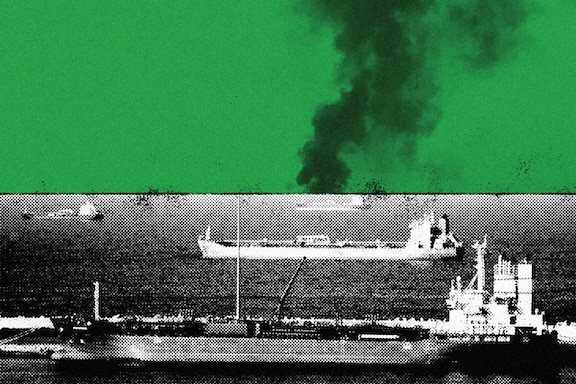
Within days of the initial U.S. and Israeli attack on Iran on February 28, 2026, the world was plunged into an energy crisis.
The war in Iran is not just another energy shock. It is arriving at a moment when Europe is already under cumulative strain: a war on its eastern border, the lingering aftershocks of the 2022 energy crisis, industrial decline, political fragmentation, fiscal limits, and a widening debate over how much of its own security it must now provide.
Without transatlantic alignment, we risk forfeiting the very advantages our alliance was built to protect.