This website uses cookies as well as similar tools and technologies to understand visitors’ experiences. By continuing to use this website, you consent to Columbia University’s usage of cookies and similar technologies, in accordance with the Columbia University Website Cookie Notice.
Energy Explained
Get the latest as our experts share their insights on global energy policy.
The Trump Administration’s Necessary but Insufficient Critical Minerals Investments: Q&A
The White House has just announced over $2 billion in new critical minerals, magnets, and battery investments.

Podcasts
Hear in-depth conversations with the world’s top energy and climate leaders from government, business, academia, and civil society.
Luisa Palacios on Rebuilding Venezuela’s Oil Industry After the Quakes
It started last year as a pressure campaign at sea, with the United States seizing tankers as part of what President Trump called a “total and complete blockade”...

Events
Find out more about our upcoming and past events.
September 10, 2026
• 10:00 am - 11:00 am
edt
Carbon Markets Webinar: Regulatory Landscape for Project-Based Carbon Credit Markets
PCCMs facilitate the generation, trading, and retirement of carbon credits from projects that remove, reduce, or avoid greenhouse gas emissions. By creating a revenue stream from verified climate...
Event
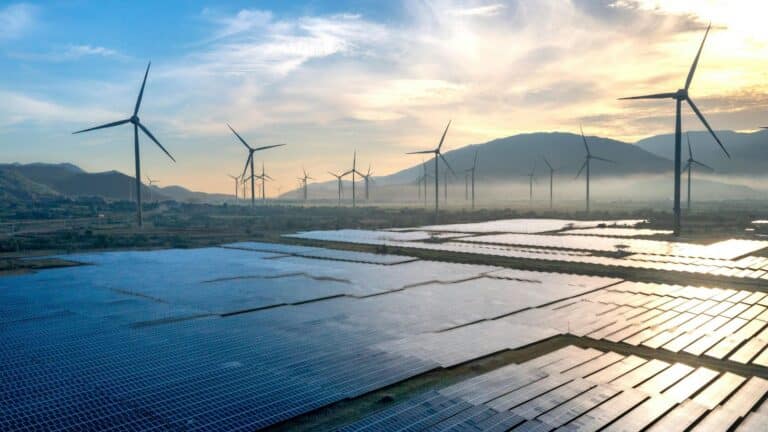
This is the third episode of a five-part series exploring the lithium-ion battery supply chain. If you haven’t listened to the first two episodes, we recommend you start there.
Season 4, Episode 3
Turning raw materials into usable ingredients is a critical step in the battery industry. How do we process them in a responsible way?
Batteries can replace gasoline in our cars, or diesel in our generators with electricity. But batteries and petroleum-based fuels share something in common: they both rely on energy-intensive processes to turn extracted materials into something useful.
The middle stage of the lithium-ion supply chain is called processing – and it’s a critical one. To make lots of affordable batteries, we have to process a lot of materials. It’s a big, lucrative business with real impacts to local communities and the environment.
In this episode, we dig into step two of the supply chain: processing all those minerals into usable ingredients for batteries.
Why are countries so keen on building giant processing facilities? And can we process all the minerals we need to fight climate change in a responsible way?
More Episodes
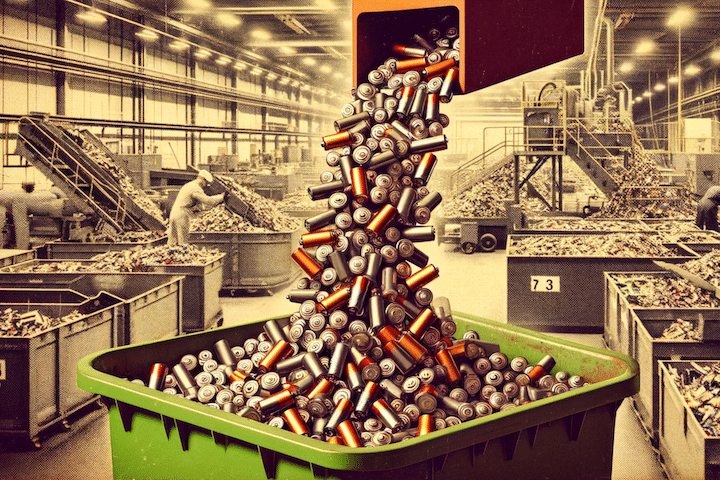
The Battery Recycling Dilemma
So far over this season we've traced the global lithium-ion battery supply chain from mining to processing to manufacturing. And we've put it all into a geopolitical and economic context.
The Big Switch Podcast
• March 27, 2024
The Great Battery Manufacturing Race
China has been the world's biggest battery manufacturer for over a decade. By 2022, according to the IEA, China manufactured 76% of the world's batteries. But that's changing.
The Big Switch Podcast
• March 20, 2024

The Mining Conundrum For Critical Minerals
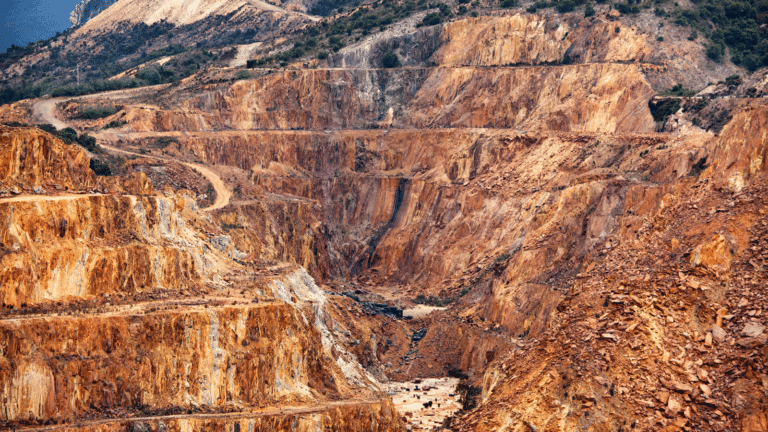
To produce enough batteries to reach global net-zero goals, the International Energy Agency says we'll need to increase production of critical minerals by six fold by 2040. It's a monumental task.
The Big Switch Podcast
• March 6, 2024

Are Batteries the New Oil?
Season 4, Episode 1 Batteries are at the center of the clean energy economy. Will they shape geopolitics in similar ways to oil? We need to electrify much...
The Big Switch Podcast
• February 28, 2024
Relevant
Publications
The Trump Administration’s Necessary but Insufficient Critical Minerals Investments: Q&A
The White House has just announced over $2 billion in new critical minerals, magnets, and battery investments.
Critical Minerals Governance and Community Benefit Sharing in Mexico
In early 2026, CGEP held a roundtable and several hybrid closed-door meetings in Mexico City on Mexico's mining sector.
G7 Progress on Critical Minerals Diversification Overlooks Demand Side
Raw material vulnerability was once again at the center of the G7 agenda at the summit in Evian, France.

G7 Countries Commit to Diversifying Critical Minerals Supply Without Deciding Who Bears the Cost
Critical minerals were once again near the top of the agenda for G7 leaders as they met in Évian, France, this week, a year after the G7 launched the Critical Minerals Action Plan.