This website uses cookies as well as similar tools and technologies to understand visitors’ experiences. By continuing to use this website, you consent to Columbia University’s usage of cookies and similar technologies, in accordance with the Columbia University Website Cookie Notice.
Energy Explained
Get the latest as our experts share their insights on global energy policy.
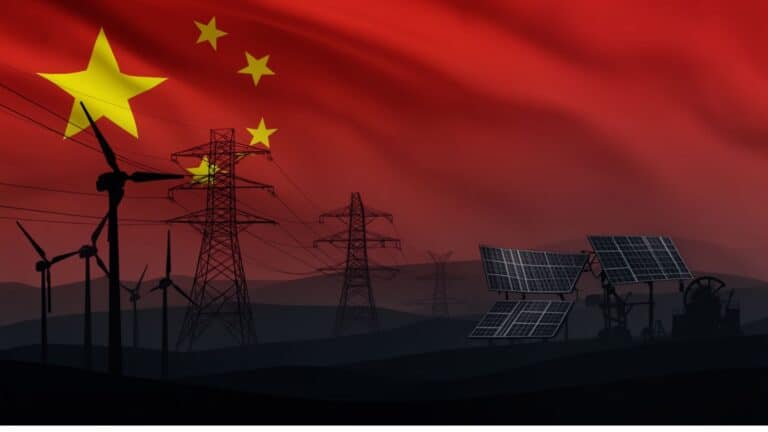
China’s Energy Powerhouse Ambitions
Two economic planning documents released at the March meeting of China's National People’s Congress include the term "energy powerhouse" for the first time.
Podcasts
Hear in-depth conversations with the world’s top energy and climate leaders from government, business, academia, and civil society.
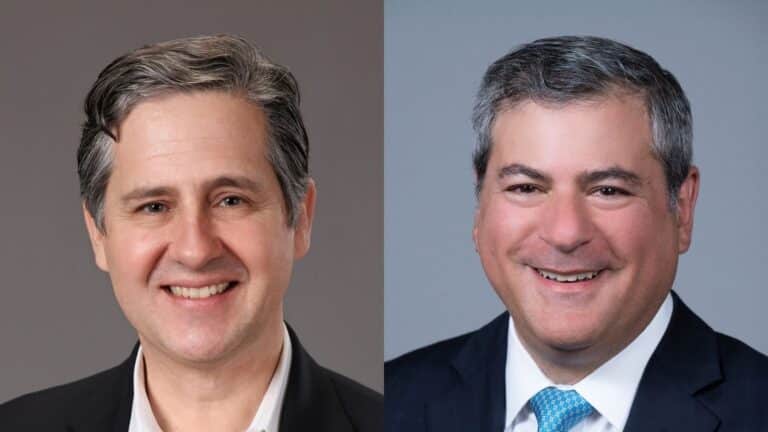
Bob McNally and Jason Bordoff on Handling an Energy Crisis
In moments of geopolitical crisis, energy is never just a backdrop. It's often at the center of the story. Today, as conflict involving Iran sends shockwaves through global...
Guest
Ian Bremmer
President, Eurasia Group and GZERO Media
The global order that shaped the past several decades is giving way to a more fragmented and uncertain world. Long-standing alliances are under strain, economic integration is giving way to competition, and geopolitical risk is once again a central driver of markets and policy.
These shifts are not abstract. They are reshaping trade flows, disrupting supply chains, and contributing to volatility in energy markets and the broader economy—affecting everything from fuel prices to the cost of goods.
So, how might great power competition, geopolitical fragmentation, artificial intelligence, and global instability redefine the international landscape? And what will that mean for policymakers, businesses, and the global energy system?
This week’s episode features a fireside chat between Jason Bordoff and Ian Bremmer from the Columbia Global Energy Summit 2026, which was hosted by the Center on Global Energy Policy at Columbia University SIPA and recorded earlier today.
Jason and Ian examine the Iran crisis, the Islamabad talks, and the shifting dynamics of the Gulf region. They also address the “myth” of sovereign AI, China’s strategy, and the deep structural concerns of global CEOs navigating today’s volatility.
Ian Bremmer is the president and founder of Eurasia Group, a geopolitical risk advisory firm, and GZERO Media, a digital media company providing coverage of international affairs. He is the author of eleven books, including his latest work, The Power of Crisis: How Three Threats—and Our Response—Will Change the World. Ian also teaches at Columbia University’s School of International and Public Affairs.
More Episodes
Bob McNally and Jason Bordoff on Handling an Energy Crisis
In moments of geopolitical crisis, energy is never just a backdrop. It's often at the center of the story. Today, as conflict involving Iran sends shockwaves through global...
Iran Conflict Brief: Why the UAE Is Leaving OPEC Now
It has been a tumultuous 24 hours for the global energy landscape. Yesterday, the United Arab Emirates sent shockwaves through the oil industry by announcing its withdrawal from...

The Iran Oil Shock: Will it Force the World to Re-think the Future of Energy?
In this special episode, Jason Bordoff, founding director of the Center on Global Energy Policy, sits down with Robin Pomeroy, host of the World Economic Forum podcast Radio...
Columbia Energy Exchange Podcast
• April 28, 2026
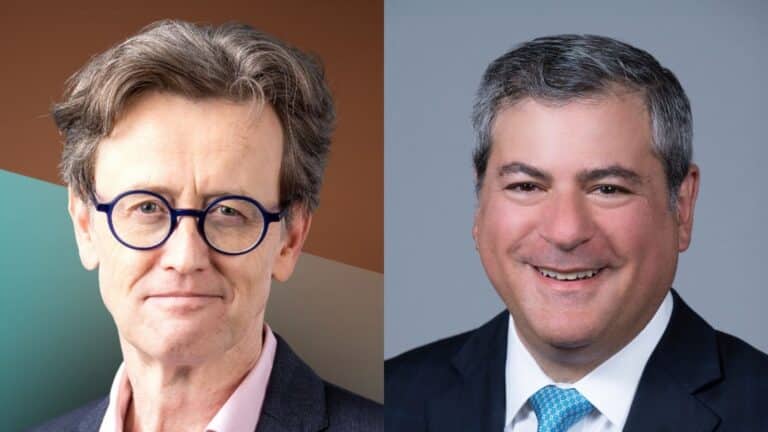
Amos Hochstein on the Strait of Hormuz Opening and Where the War is Headed
It’s been a head-spinning day in the Iran war. Earlier today, following a temporary truce between Lebanon and Israel, Iran announced that the Strait of Hormuz would be...

Relevant
Publications
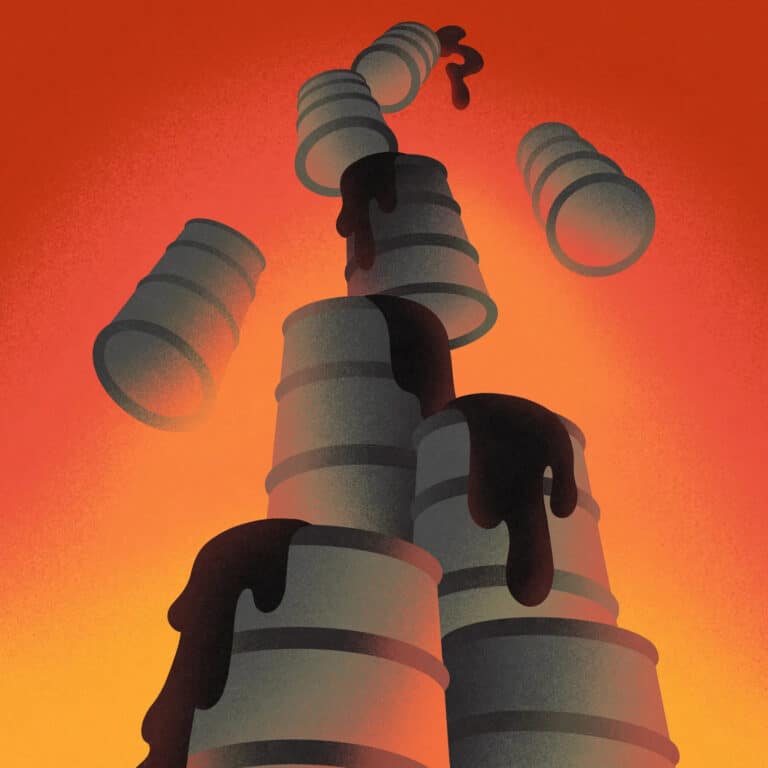
If OPEC Falls Apart, It’ll Cost Us All
The White House declared last week that President Trump finally "broke OPEC" after the United Arab Emirates withdrew from the cartel.

Iran’s Oil Sector Can Likely Weather Production Shut-ins, but Gas Fields Are at Risk
The US blockade of tankers serving Iran's oil exports is intended to cut Iranian oil exports to near-zero.
Live Updates: US-Israeli Attacks on Iran and Global Energy Impacts
On February 28, the US and Israel launched new attacks on Iran targeting primarily the country's leadership, security forces, and missile program.
Blog
by Anne-Sophie Corbeau, Erica Downs, Ira Joseph, Richard Nephew, Daniel Sternoff, Karen E. Young, Robin Mills & Neelesh Nerurkar • April 28, 2026