Prix des carburants : pourquoi les raffineries sont au cœur de la tempête
Plus que d'un problème pétrolier, la flambée des prix du carburant résulte de tensions sur les capacités mondiales de raffinage.
Get the latest as our experts share their insights on global energy policy.
Last week's summit between US President Trump and Chinese President Xi was the second meeting between the two leaders since the US and Israel attacked Iran.
Hear in-depth conversations with the world’s top energy and climate leaders from government, business, academia, and civil society.
Carbon credit markets have become one of the most hotly debated tools in the fight against climate change. Supporters call them essential to closing the gap between corporate...

Find out more about our upcoming and past events.
Apply to Register The Center on Global Energy Policy at Columbia University SIPA’s Women in Energy initiative invites Columbia University students to a roundtable discussion with Pam Brown,...

External Publication with Pierpaolo Cazzola • OECD • October 22, 2025
This report introduces a new OECD self-diagnostic toolkit designed to accelerate the deployment of renewable...
This report introduces a new OECD self-diagnostic toolkit designed to accelerate the deployment of renewable energy across the European Union. The toolkit supports regulatory reform by enabling national, regional, and local authorities to systematically assess the readiness of their legal and administrative frameworks, identify regulatory barriers to deployment, and set reform priorities. A structured scoring system allows policymakers to self-assess and screen for barriers but also track progress over time.
Tailored to the realities of the energy transition in the EU, the toolkit covers three core renewable technologies – solar PV, onshore wind, and pumped hydro storage – and disaggregates them into ten market segments, ranging from utility-scale projects, to commercial scale innovative markets like agrivoltaics to residential markets. It also addresses critical cross-cutting issues of spatial planning, permitting, and grid capacity and investment. For each segment, the report highlights common regulatory barriers, showcases good practices from EU Member States, and provides targeted self-assessment questionnaires that can generate readiness scores for reform.
The toolkit is a practical instrument for governments, regulators, and policymakers at all levels of government seeking to deliver faster and more efficient renewable deployment. By supporting evidence-based reforms, it enhances investment certainty, competitiveness and energy security.
Over the past decade, governments in developed economies have expanded the use of public financing tools to support the development of clean energy and critical materials technologies.
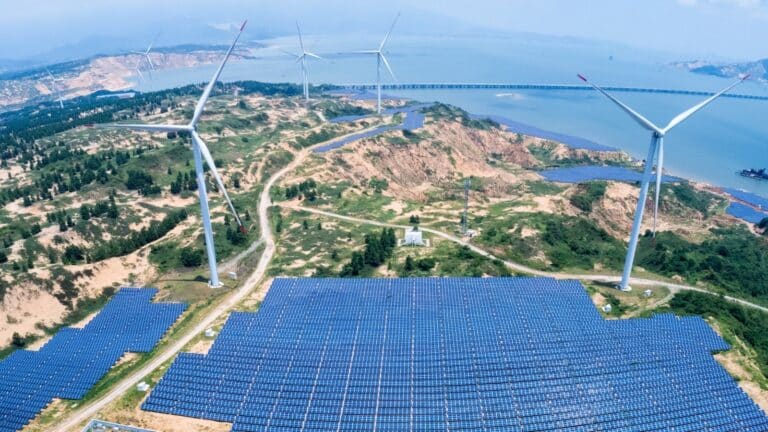
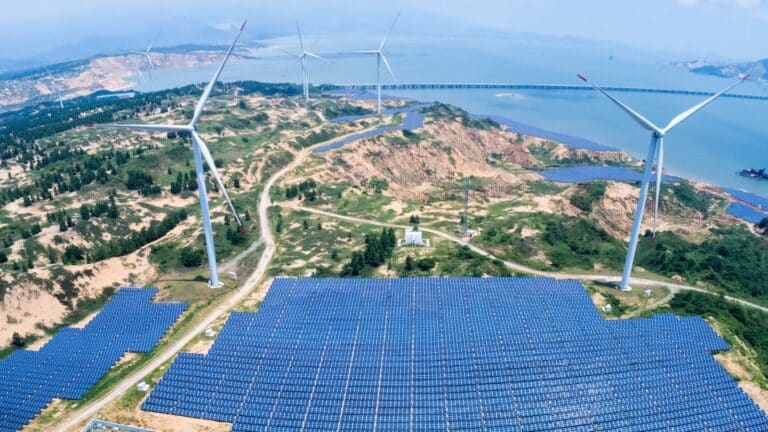
Governments in developed economies have expanded the use of public financing tools to support clean energy and critical materials technology development over the past decade.
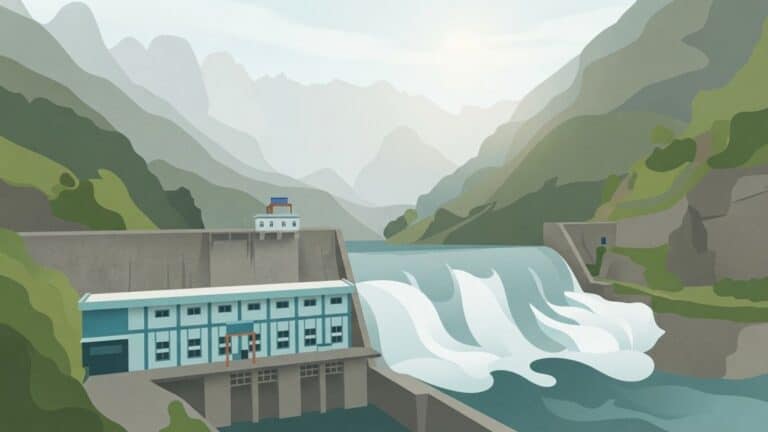
The Nepal flood that has left 1,000 people dead and close to 4,000 people missing, as of September 1, has also damaged hydropower plants that the country relies on.
Full report
External Publication with Pierpaolo Cazzola • OECD • October 22, 2025