LIVE: Daily Energy Markets Podcast 2026
Enjoy the videos and music you love, upload original content, and share it all with friends, family, and the world on YouTube.
Get the latest as our experts share their insights on global energy policy.
A House committee voted to allow the Advisory Committee on Reactor Safeguards (ACRS) to decline certain application reviews.
Hear in-depth conversations with the world’s top energy and climate leaders from government, business, academia, and civil society.
Permitting reform—to allow for faster approvals on new projects—is one thing that both climate advocates and energy developers have wanted for a long time. With demand for power...

Find out more about our upcoming and past events.
Putting data centers in space once seemed fanciful. Today, a growing number of companies have started doing so. This activity is concentrated in the United States but spread...

Explore independent and nonpartisan research that meets the high standards of academic integrity at Columbia University.
CHRONIQUE. Plus de gaz naturel liquéfié russe dès le 1er janvier, plus de gaz via gazoduc au 1er octobre 2027, mais l’UE est-elle prête? se demande la spécialiste de l’énergie Anne-Sophie Corbeau, qui rappelle que le gaz naturel liquéfié ne va pas disparaître des marchés mondiaux – il ira juste ailleurs…
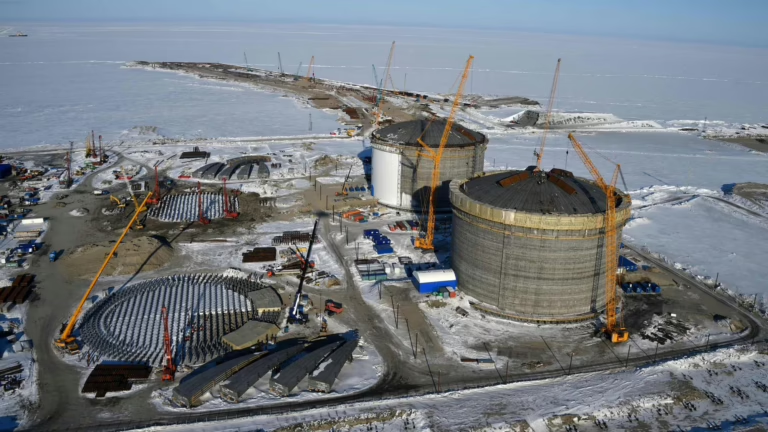
America needs to build more to achieve its energy goals of lower costs, greater security, and more clean energy.
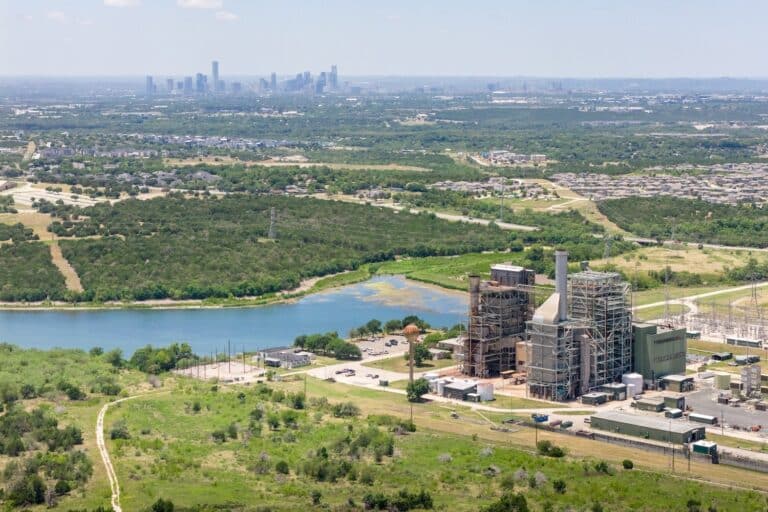
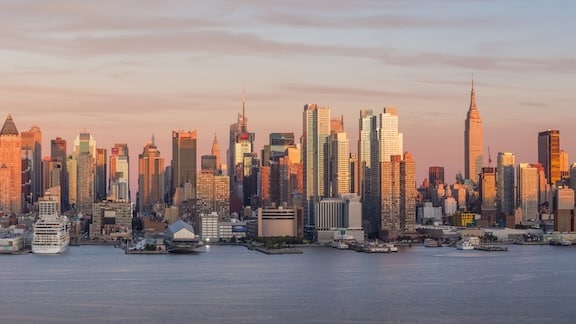

A House committee voted to allow the Advisory Committee on Reactor Safeguards (ACRS) to decline certain application reviews.
Last week's summit between US President Trump and Chinese President Xi was the second meeting between the two leaders since the US and Israel attacked Iran.
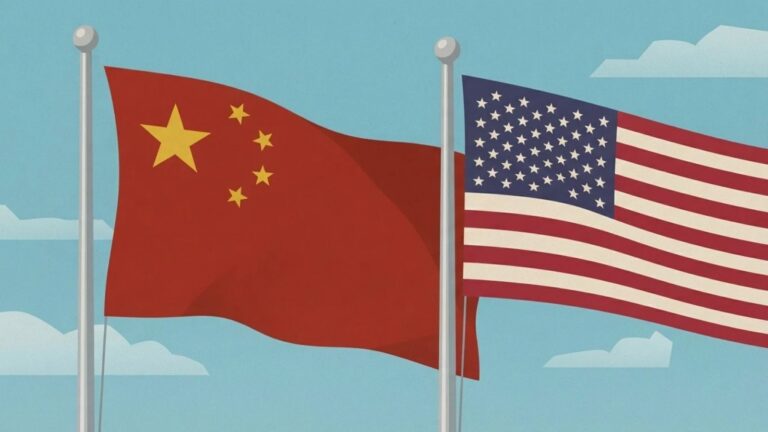
In this edition of Global Institute Dialogues Jason Bordoff discusses how the Iran crisis, China’s electrification strategy, and the US shale revolution have changed energy geopolitics.
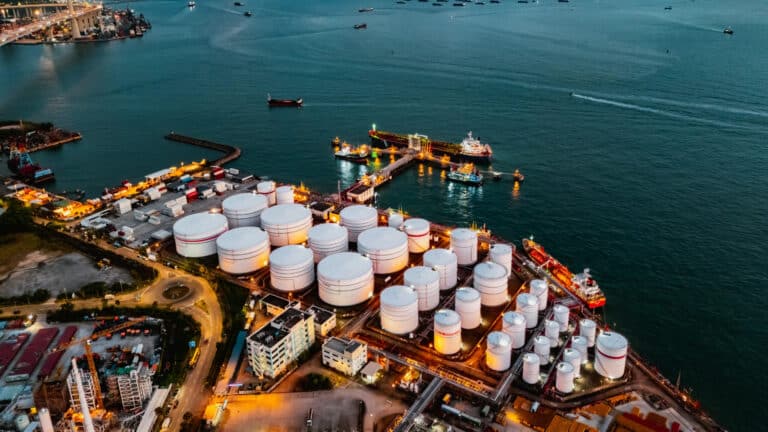
The Middle East crisis has increased demand for China's clean technologies.
The United States has struggled for decades to make progress on managing spent nuclear fuel (SNF) from its commercial power reactors.
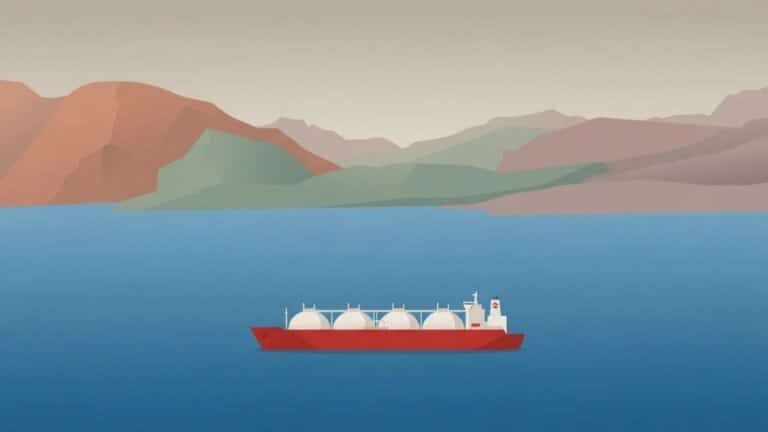
For almost seven months, energy markets have looked at LNG flows through the Strait of Hormuz in binary terms: either LNG cargoes go through, or they do not.
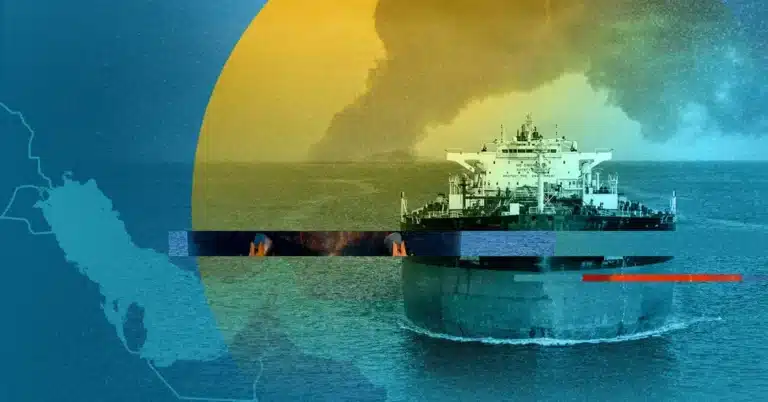
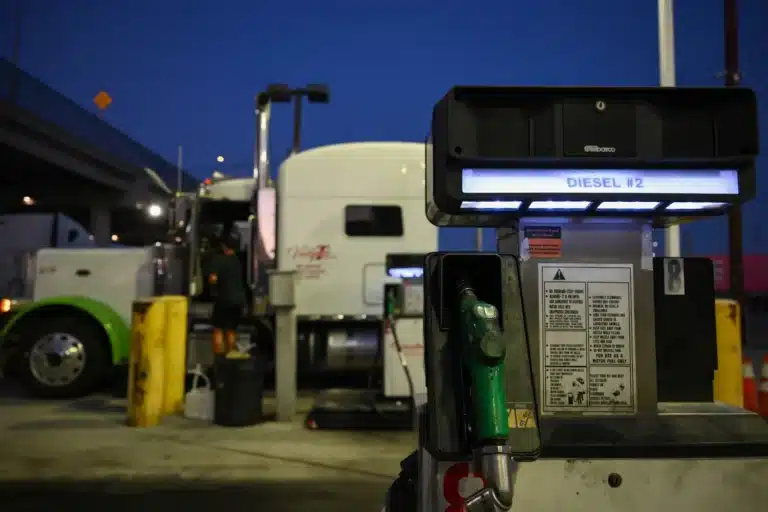
As inventories run dry and the Iran war continues to disrupt transit routes, oil has surged back to more than $100 per barrel. Diesel fuel—the workhorse of the agricultural and trucking sectors—has now soared to historic highs, pushing U.S. exports to record levels.
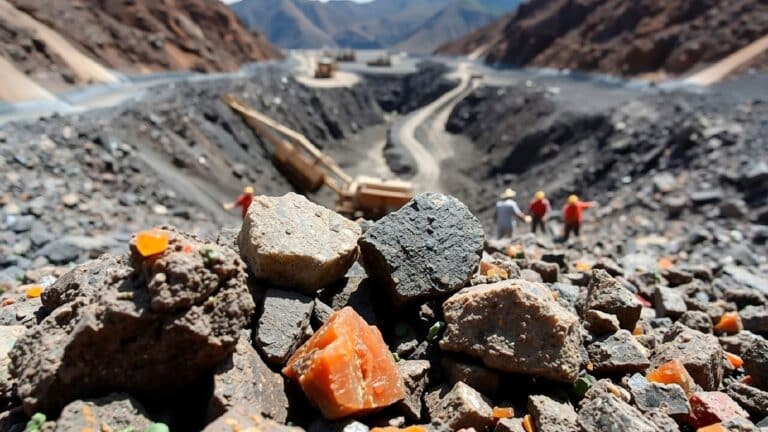
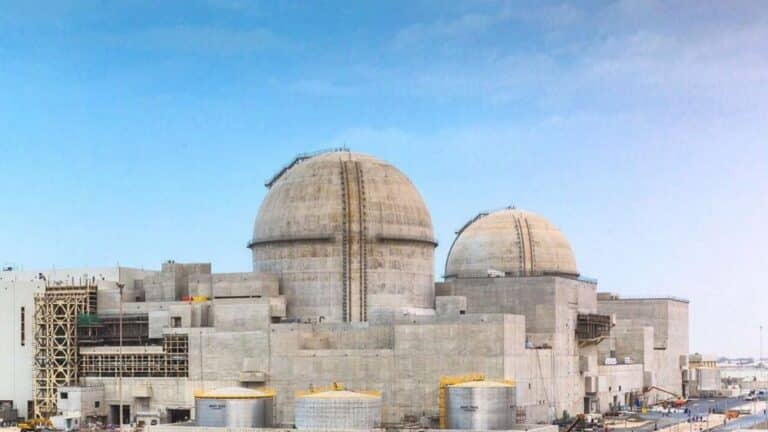
The Trump administration has submitted to Congress a new nuclear energy cooperation agreement with Saudi Arabia.
The Center on Global Energy Policy is providing live updates on key developments related to the Iran crisis. Check back here for the latest.

High and volatile energy costs continue to strain household budgets in cities across the United States.