Trump says ongoing talks are Iran’s ‘last chance’
Karen Young, senior research scholar at the Centre on Global Energy Policy at Columbia University, joins BNN Bloomberg to discuss the energy sector.
Get the latest as our experts share their insights on global energy policy.
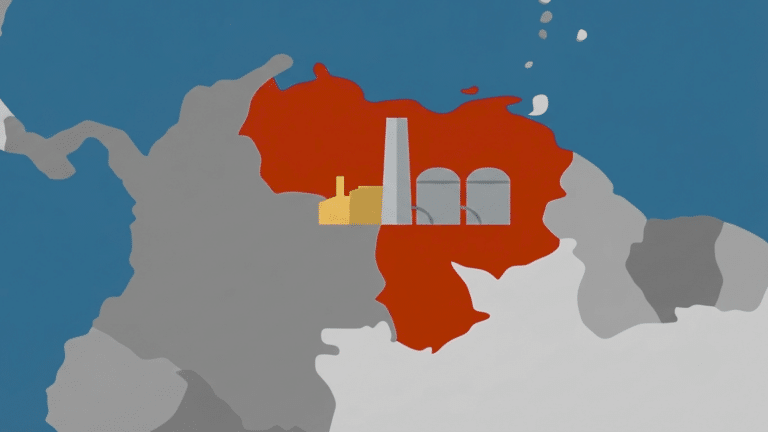
The economic and humanitarian consequences of the June 24 twin earthquakes in Venezuela continue to emerge.
Hear in-depth conversations with the world’s top energy and climate leaders from government, business, academia, and civil society.
Over the past five months, the Strait of Hormuz has been closed for extended stretches of time, disrupting roughly 10 to 15 million barrels of oil supply each...
Find out more about our upcoming and past events.
Join industry leaders, innovators, employers, and emerging talent for an evening exploring the technologies, trends, and career opportunities shaping the future of climate tech.


Past Event
January 9, 2026
9:00 am - 10:00 am est
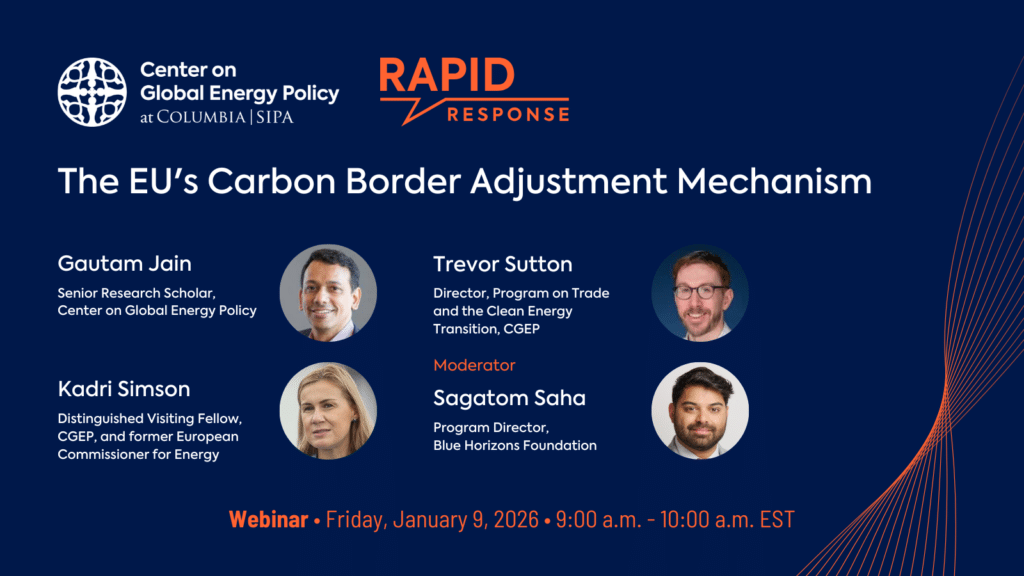
On January 1, 2026, the European Union’s highly-anticipated Carbon Border Adjustment Mechanism (CBAM) will take effect. Introduced in 2023, CBAM will require the importers of certain carbon-intensive goods to pay for the emissions that were generated in their production.
The policy is the first of its kind anywhere in the world and a major use of the EU’s trading power to hold countries to account for their carbon emissions. However, CBAM’s rollout has been met with concerns about how emissions will be measured and higher costs for smaller producers that may have trouble complying.
On December 17, the EU announced several revisions to CBAM. The policy could have huge implications for governments, businesses, and consumers.
Join experts from the Center on Global Energy Policy at Columbia University SIPA for a virtual webinar on how CBAM works, arguments that have been made for and against the policy, and how its implementation is expected to unfold.
Panelists include:
This public event will be hosted via Zoom. Upon registration, a confirmation email will be sent to you with the Zoom access link for the briefing.
For more information about the briefing, please contact [email protected].
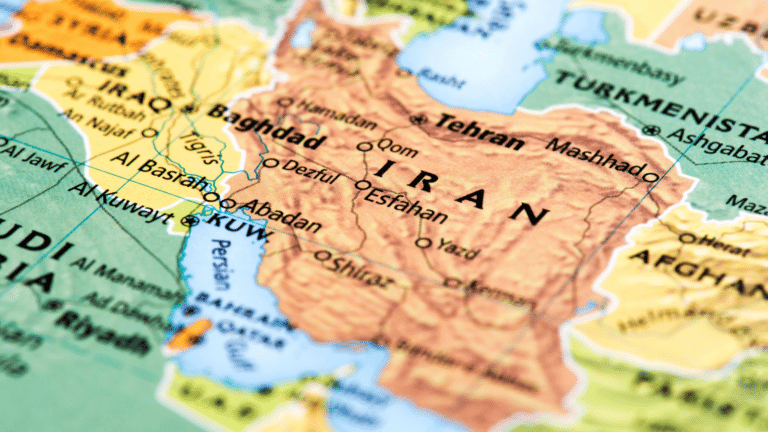
More than a month into the Iran conflict, the United States and Iran are at a critical inflection point.

The Center on Global Energy Policy at Columbia University SIPA is pleased to host a virtual webinar with experts from Kenya, India, and Brazil to discuss and better understand the landscape...
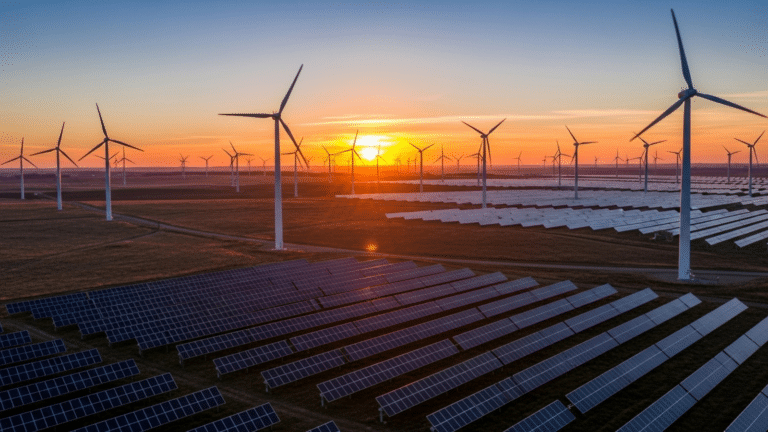
Join us on February 25 for an in-depth, student-only conversation. Registration is required, and space is limited. The Center on Global Energy Policy at Columbia University SIPA’s Women...

Center on Global Energy Policy (CGEP) at Columbia SIPA, the Columbia Global Center in Rio, and Insper are proud to host a high-level discussion on the future of...
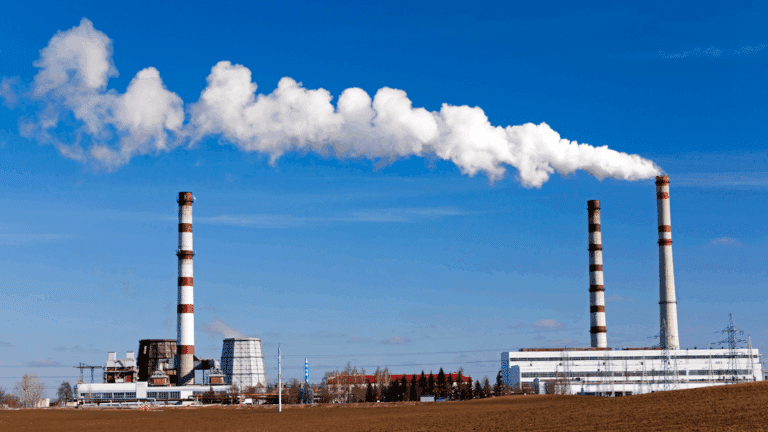
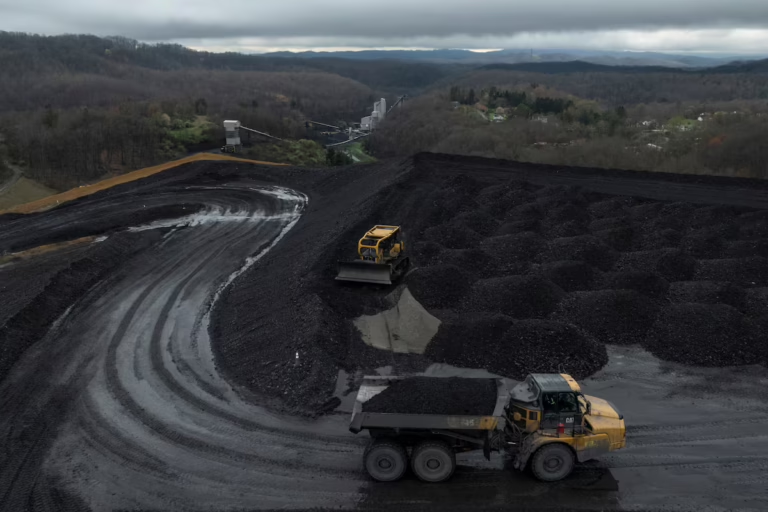
The US-Israeli war against Iran highlights the Gulf’s dual role as the backbone of global energy supply and a major source of systemic risk.