This website uses cookies as well as similar tools and technologies to understand visitors’ experiences. By continuing to use this website, you consent to Columbia University’s usage of cookies and similar technologies, in accordance with the Columbia University Website Cookie Notice.
In March 2026, the Office of the US Trade Representative (USTR) announced it was investigating "structural excess capacity and production in manufacturing sectors" in 16 economies.
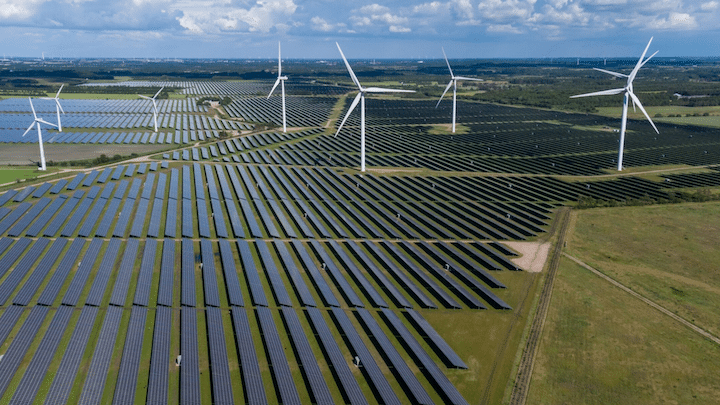
The clean energy transition had real momentum at the end of 2024. It was buoyed by federal support, billions of dollars of investment in new technologies, and broad...
We are the premier hub and policy institution for global energy thought leadership. Energy impacts every element of our lives, and our trusted fact-based research informs the decisions that affect all of us.
Triple Axis: Iran's Relations with Russia and China by Dina Esfandiary and Ariane Tabatabai
Past Event
November 14, 2018
6:00 pm - 7:30 pm
Share
The most significant challenge to the post-Cold War international order is the growing power of ambitious states opposed to the West. Iran, Russia, and China each view the global structure through the prism of historical experience. Rejecting the universality of Western liberal values, these states and their governments each consider the relative decline of Western economic hegemony as an opportunity. Yet cooperation between them remains fragmentary. Join the Center on Global Energy Policy for an event with Dina Esfandiary and Ariane Tabatabai, both from the Center for Strategic and International Studies, who have conducted a comprehensive study of these three countries, which may form a “triple axis” in the realms of energy, trade, and military security. In particular, they scrutinize Iran-Russia and the often overlooked field of Iran-China relations. Their argument―that interactions between the three will shape the world stage for decades to come―will interest anyone looking to understand the contemporary international security puzzle. This event will focus on their soon-to-be-released book “Triple Axis: Iran’s Relations with Russia and China” and the lessons that they’ve learned with commentary by a supporting expert panel featuring Alexander Cooley, Director of Columbia University’s Harriman Institute and Richard Nephew, CGEP Senior Research Scholar (moderator). Registration is required. Guests unable to attend can view a livestream of the event at http://energypolicy.columbia.edu/livestream. A podcast of this event will be available a week after the date of the event through iTunes and our website. This event is open to press. Please direct media inquiries to Jesse McCormick ([email protected]) For more information contact: [email protected]
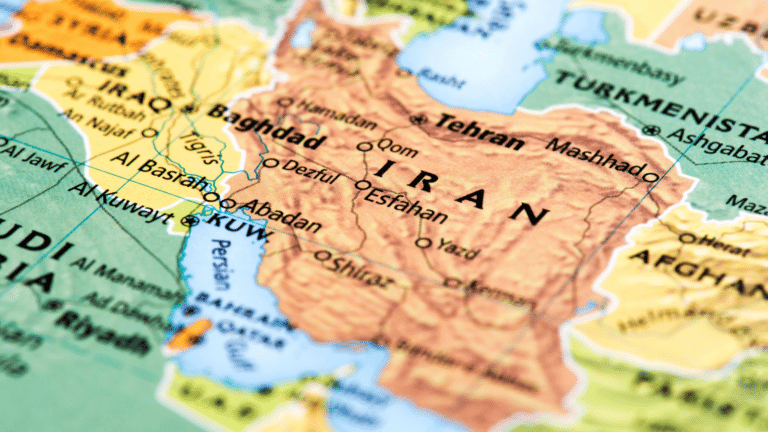
On February 28, the United States and Israel launched an attack on Iran, resulting in the deaths of Iranian Supreme Leader Ali Hosseini Khamenei and senior Iranian leaders...
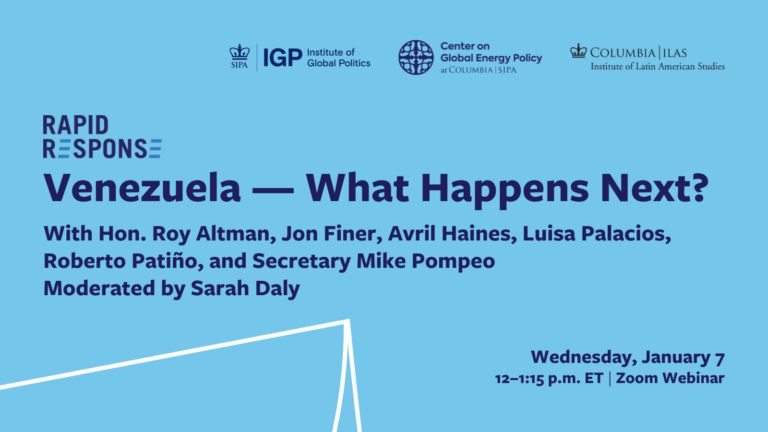
The recent military operation to remove Venezuelan President Nicolás Maduro and First Lady Cilia Flores raises several implications for the future of Venezuela and Latin America, geopolitics, and energy markets. Cosponsored by SIPA’s Institute of Global Politics (IGP) and Center for Global Energy Policy (CGEP), along with Columbia’s Institute of Latin American Studies (ILAS), this webinar will analyze the circumstances and impact of their capture and extradition to New York to face narcoterrorism and drug trafficking charges.
The Columbia Global Energy Summit 2026 is an annual event dedicated to thought-provoking discussions around the critical energy and climate challenges facing the global community.
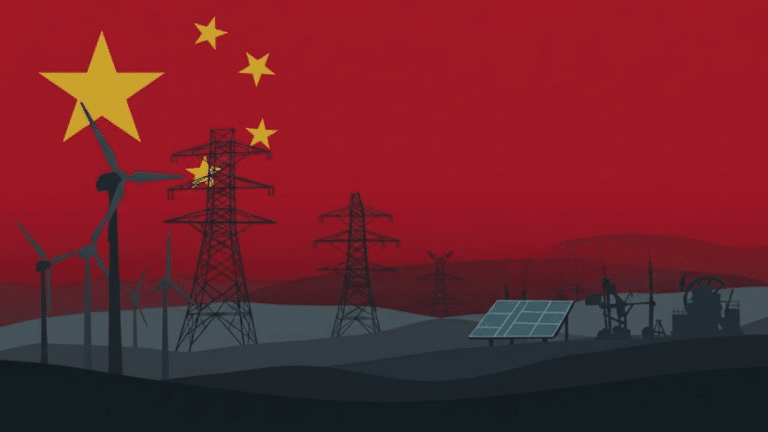
Two economic planning documents released at the March meeting of China's National People’s Congress include the term "energy powerhouse" for the first time.
The war in Iran is not just another energy shock. It is arriving at a moment when Europe is already under cumulative strain: a war on its eastern border, the lingering aftershocks of the 2022 energy crisis, industrial decline, political fragmentation, fiscal limits, and a widening debate over how much of its own security it must now provide.