Net Power Surrendered Its Clean Dreams to Data Center Demand
The zero-emission pioneer is doing the dirty work for the AI boom.
Get the latest as our experts share their insights on global energy policy.
This Energy Explained post represents the research and views of the author(s). It does not necessarily represent the views of the Center on Global Energy Policy. The piece...
Hear in-depth conversations with the world’s top energy and climate leaders from government, business, academia, and civil society.
After years of trying, the US may be on the cusp of a nuclear renaissance. Commercial nuclear generation began in this country in 1958. Today, the US has...

Find out more about our upcoming and past events.
Dr. Claudia Castro will share insights into her professional journey and the role of financial markets in shaping energy investments.

CGEP experts analyze the latest permitting reform policies and how they could affect the pace and development of energy projects across the country.
Building energy infrastructure in the United States can take years to clear federal, state, and local reviews. As electricity demand surpasses an all-time high and the country pursues its economic, security, and decarbonization goals, permitting has become a central issue in energy policy.
On September 30, 2026, leaders of the US Senate Environment and Public Works Committee and the Senate Energy and Natural Resources Committee introduced the Bipartisan American Affordability and Jobs Act (BAAJA), a bipartisan bill to overhaul the US permitting process. The bill is a response to growing calls from policymakers, industry, and government leaders across the US to streamline the permitting process for energy projects, bring energy projects that supply the nation’s grid online faster, and facilitate the development of energy infrastructure nationwide.
As Congress continues to consider BAAJA and permitting reform efforts in the US, CGEP’s experts are providing analysis and insights on the bill and how it may impact the speed at which energy projects are able to come online and alter the development of infrastructure projects nationwide.
The Center on Global Energy Policy (CGEP) at Columbia University SIPA today released a new interactive platform that examines the potential impact of the Bipartisan American Affordability and…
The interactive tool estimates how the Bipartisan American Affordability and Jobs Act could impact the permitting and construction timelines of different types of energy projects.
America needs to build more to achieve its energy goals of lower costs, greater security, and more clean energy.
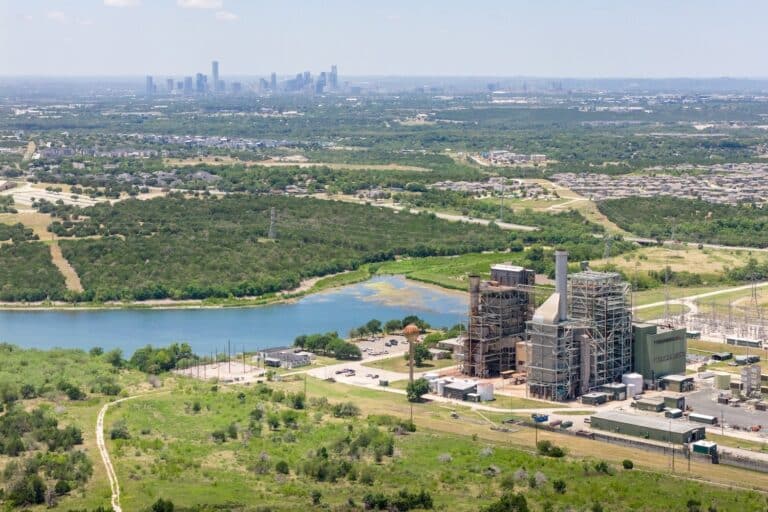
Permitting reform—to allow for faster approvals on new projects—is one thing that both climate advocates and energy developers have wanted for a long time. With demand for power…

The interactive tool estimates how the Bipartisan American Affordability and Jobs Act could impact the permitting and construction timelines of different types of energy projects.
A bipartisan permitting-reform proposal in the US Senate includes provisions that reduce barriers to an improved electricity transmission system, which would help fortify the country’s energy system and accelerate the transition away from fossil fuels.
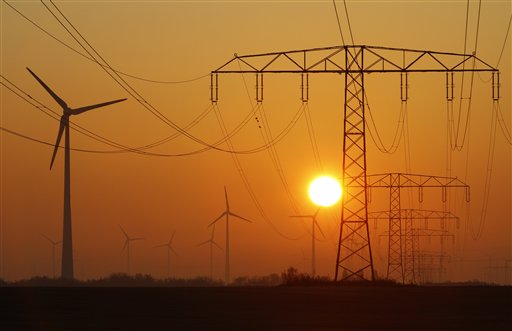
Permitting reform—to allow for faster approvals on new projects—is one thing that both climate advocates and energy developers have wanted for a long time. With demand for power…
As the demand for power surges across the US, the debate over how to build energy infrastructure has reached a fever pitch. And while both sides of the…
Last year, an energy permitting reform bill sponsored by Senators Joe Manchin and John Barrasso passed out of committee but failed to gain full support in the US…

This week host Jason Bordoff talks with Cheryl LaFleur and David Hill about the incoming Trump administration, its impact on FERC, and the status of permitting reform measures.

To meet net zero 2050 goals, the U.S. needs to quadruple wind and solar capacity, double the size of the grid, and increase the electric vehicle fleet 100-fold….

We need more energy infrastructure. But energy permitting regulations — primarily established through the National Environmental Policy Act — are not matching the pace of the transition needed…

Director of Research Programs and Strategic Partnerships
Senior Research Scholar
Senior Research Associate
Non-Resident Fellow
CGEP Distinguished Visiting Fellow; Former Commissioner and Chairman, Federal Energy Regulatory Commission