Trump Turns to Socialist Venezuela As Gas Prices Bite Ahead of Midterms
Trump welcomes 1 million barrels of Venezuelan oil as high gas prices remain a concern for voters ahead of the midterms.
Get the latest as our experts share their insights on global energy policy.
This Energy Explained post represents the research and views of the author(s). It does not necessarily represent the views of the Center on Global Energy Policy. The piece...

Hear in-depth conversations with the world’s top energy and climate leaders from government, business, academia, and civil society.
Every permitting bill promises the same thing: build faster. The harder question is what the trade-offs are, and who bears them. That question is at the heart of...

Find out more about our upcoming and past events.
The Center on Global Energy Policy (CGEP) at Columbia University’s School of International and Public Affairs and ReNew invite you to Columbia India Energy Dialogue 2026, taking place...

Explore independent and nonpartisan research that meets the high standards of academic integrity at Columbia University.
The case against cheap climate policy

Disruption in the Strait of Hormuz has reduced the supply of oil, refined fuels and liquefied natural gas (LNG), reviving fears that Europe could face its second severe energy crisis in five years.

Tatiana Mitrova, a fellow at Columbia University’s Center on Global Energy Policy and former energy scholar at Moscow’s Russian Academy of Sciences, and Sergey Vakulenko, an oil and gas expert at Carnegie’s Russia Eurasia Center, argue that Russia and Ukraine are locked in an energy war that has become an adaptation spiral, despite growing human and economic costs and despite current US pressure on Ukraine. They observe Ukraine’s remarkable ability to withstand Russian strikes, while questioning claims that long-range Ukrainian strikes will be able to achieve game-changing damage on Russia. Ukraine and Russia have transformed the role of energy warfare in modern conflict, drawing on low costs drones but also new forms of technological resilience that are likely to make wars longer and more dangerous.
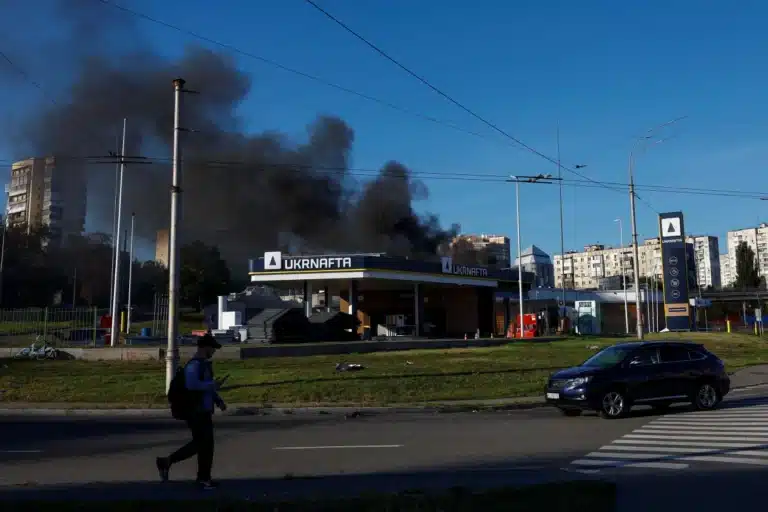
This Energy Explained post represents the research and views of the author(s). It does not necessarily represent the views of the Center on Global Energy Policy. The piece...
The interactive tool estimates how the Bipartisan American Affordability and Jobs Act could impact the permitting and construction timelines of different types of energy projects.

Reporting in the New York Times suggests a key element in the Trump administration's Russia-Ukraine peace plan involves Europe resuming Russian gas imports.
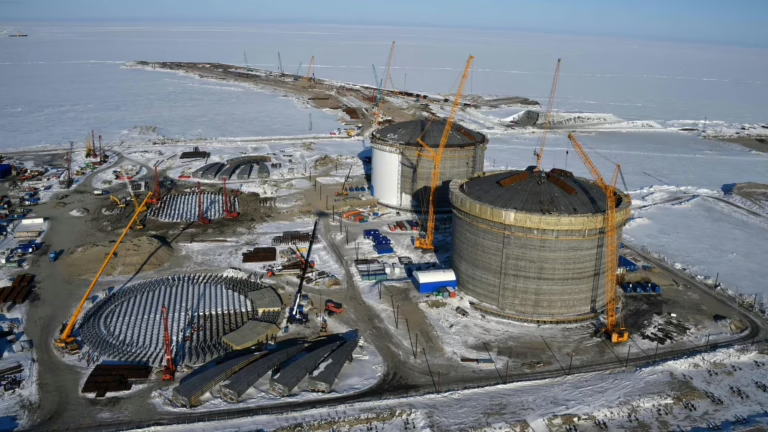
CHRONIQUE. Plus de gaz naturel liquéfié russe dès le 1er janvier, plus de gaz via gazoduc au 1er octobre 2027, mais l’UE est-elle prête? se demande la spécialiste de l’énergie Anne-Sophie Corbeau, qui rappelle que le gaz naturel liquéfié ne va pas disparaître des marchés mondiaux – il ira juste ailleurs…
America needs to build more to achieve its energy goals of lower costs, greater security, and more clean energy.


A House committee voted to allow the Advisory Committee on Reactor Safeguards (ACRS) to decline certain application reviews.
Last week's summit between US President Trump and Chinese President Xi was the second meeting between the two leaders since the US and Israel attacked Iran.
In this edition of Global Institute Dialogues Jason Bordoff discusses how the Iran crisis, China’s electrification strategy, and the US shale revolution have changed energy geopolitics.
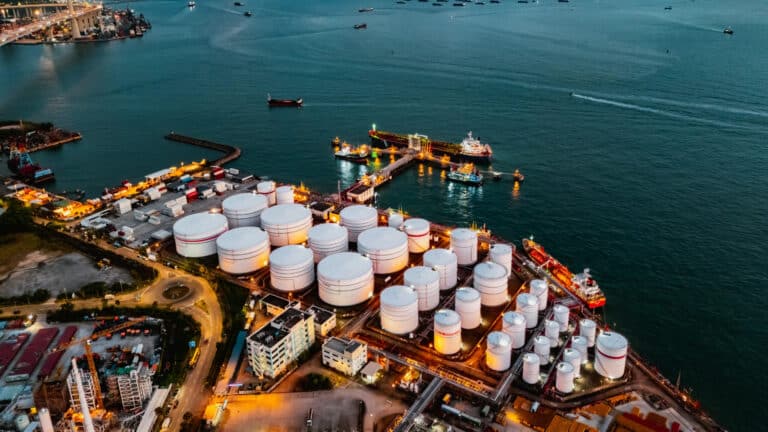
The Middle East crisis has increased demand for China's clean technologies.