Morocco puts African Atlantic Gas Pipeline into UN financing pitch as Q4 FID target looms
Morocco has brought the roughly $25bn African Atlantic Gas Pipeline (AAGP) into a broader push for private and multilateral development capital as ...
Get the latest as our experts share their insights on global energy policy.
The Center on Global Energy Policy is providing live updates on key developments related to the Iran crisis. Check back here for the latest.
Hear in-depth conversations with the world’s top energy and climate leaders from government, business, academia, and civil society.
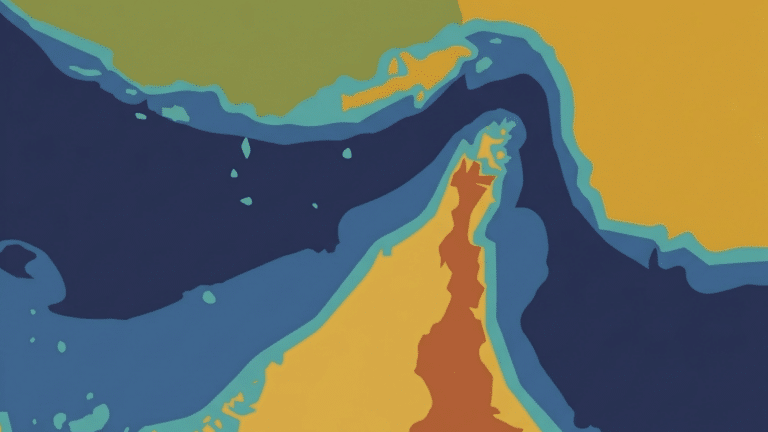
Seven months into the largest oil supply disruption in history, there's still no resolution in sight. This week, on the sidelines of the UN General Assembly, US and Iranian officials held their first indirect talks since the Memorandum of Understanding collapsed in July—but neither side appears ready for concessions.

Find out more about our upcoming and past events.
Apply to Register The Center on Global Energy Policy at Columbia University SIPA’s Women in Energy initiative invites Columbia University students to a roundtable discussion with Pam Brown,...



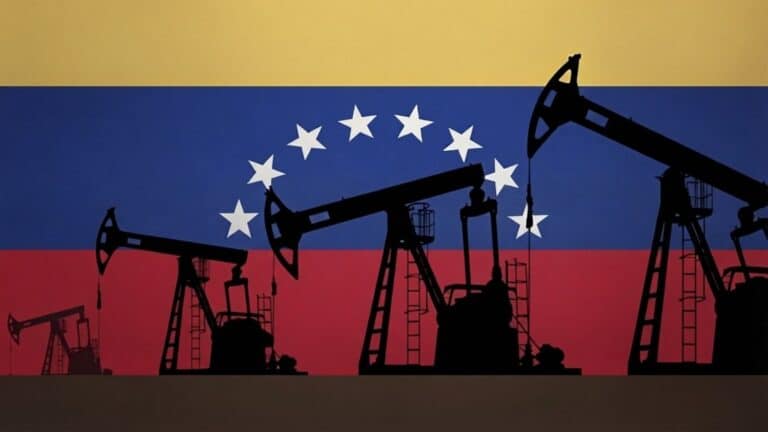
It’s been a tumultuous year for Venezuela, marked by political upheaval and deadly earthquakes. Then, in late August, the Trump administration announced a deal for over 65 billion barrels of Venezuelan oil reserves—and a 35% stake in North American Blue Energy Partners (NABEP). The move could turn a little-known private company into one of the world’s largest corporate holders of oil reserves.
But NABEP wasn’t the only headline. In the same week, Chevron pledged $7 billion to double its Venezuelan production, Italian major ENI moved forward on a massive oil field agreement, and GE Vernova signed on to rehabilitate the country’s crippled electric grid. All told, Venezuela signed deals covering more than 150 billion barrels of oil resources—an unprecedented scale-up for a sector starved of investment for over two decades.
Yet for all the fanfare, basic questions remain unresolved. What are the terms and legal basis for the deal? What does direct US government equity in Venezuelan oil actually mean for American energy security and gas prices at the pump? And where does this deal fit in the long energy history between the US and Venezuela—is this a genuine turning point, or just the latest swing in a cycle of investments and setbacks that hasn’t delivered lasting progress for ordinary Venezuelans?
Today on the show, Jason Bordoff speaks with Luisa Palacios and Bob McNally.
Luisa is an adjunct senior research scholar here at the center, where she also served as CGEP’s head of research. Before joining CGEP, Luisa was chairwoman of Citgo Petroleum Corporation, the US refining arm of Venezuela’s state oil company, PDVSA.
Bob is the founder and president of Rapidan Energy Group, an independent energy consulting and market advisory firm. From 2001 to 2003 he served on the White House National Economic Council as special assistant to President George W. Bush. And in 2003, he was the senior director for international energy on the National Security Council. His 2017 book, Crude Volatility: The History and the Future of Boom-Bust Oil Prices, examines the history of oil price swings.
Seven months into the largest oil supply disruption in history, there's still no resolution in sight. This week, on the sidelines of the UN General Assembly, US and Iranian officials held their first indirect talks since the Memorandum of Understanding collapsed in July—but neither side appears ready for concessions.
This week, Chinese President Xi Jinping travels to Washington for a state visit with President Trump, their second face-to-face meeting this year. Energy is likely to be high...

More than six months into the war with Iran, the Strait of Hormuz crisis continues to cause turmoil in the Gulf region and global energy markets with no...

Advanced technologies, a return to domestic manufacturing, and the race to control energy production while also confronting surging demand for electricity—all of these factors mean that for the...
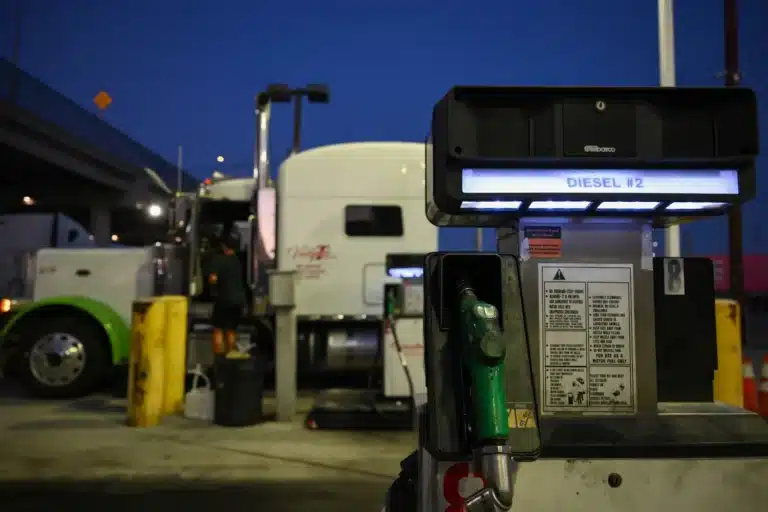
As inventories run dry and the Iran war continues to disrupt transit routes, oil has surged back to more than $100 per barrel. Diesel fuel—the workhorse of the agricultural and trucking sectors—has now soared to historic highs, pushing U.S. exports to record levels.
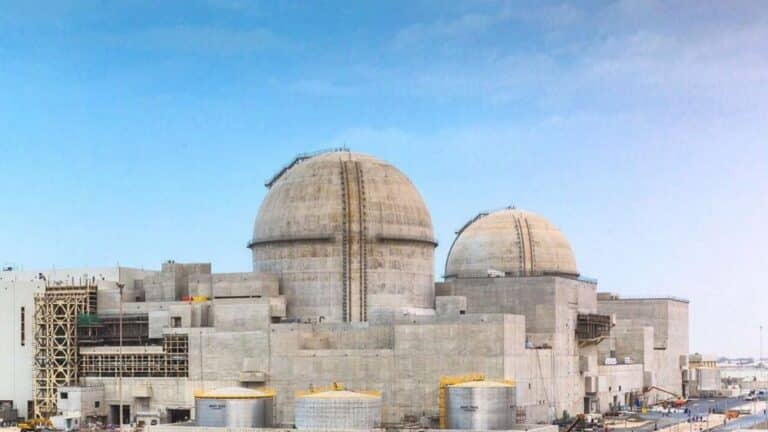
The Trump administration has submitted to Congress a new nuclear energy cooperation agreement with Saudi Arabia.
The Center on Global Energy Policy is providing live updates on key developments related to the Iran crisis. Check back here for the latest.
The White House announced last week an oil deal for more than 65 billion barrels of oil reserves in Venezuela and a 35% equity stake in North American Blue Energy Partners (NABEP).