Morocco puts African Atlantic Gas Pipeline into UN financing pitch as Q4 FID target looms
Morocco has brought the roughly $25bn African Atlantic Gas Pipeline (AAGP) into a broader push for private and multilateral development capital as ...
Get the latest as our experts share their insights on global energy policy.
The Center on Global Energy Policy is providing live updates on key developments related to the Iran crisis. Check back here for the latest.
Hear in-depth conversations with the world’s top energy and climate leaders from government, business, academia, and civil society.
Seven months into the largest oil supply disruption in history, there's still no resolution in sight. This week, on the sidelines of the UN General Assembly, US and Iranian officials held their first indirect talks since the Memorandum of Understanding collapsed in July—but neither side appears ready for concessions.

Find out more about our upcoming and past events.
Apply to Register The Center on Global Energy Policy at Columbia University SIPA’s Women in Energy initiative invites Columbia University students to a roundtable discussion with Pam Brown,...

Insights from the Center on Global Energy Policy
This Energy Explained post represents the research and views of the author(s). It does not necessarily represent the views of the Center on Global Energy Policy. The piece may be subject to further revision. Contributions to SIPA for the benefit of CGEP are general use gifts, which gives the Center discretion in how it allocates these funds. More information is available here. Rare cases of sponsored projects are clearly indicated.
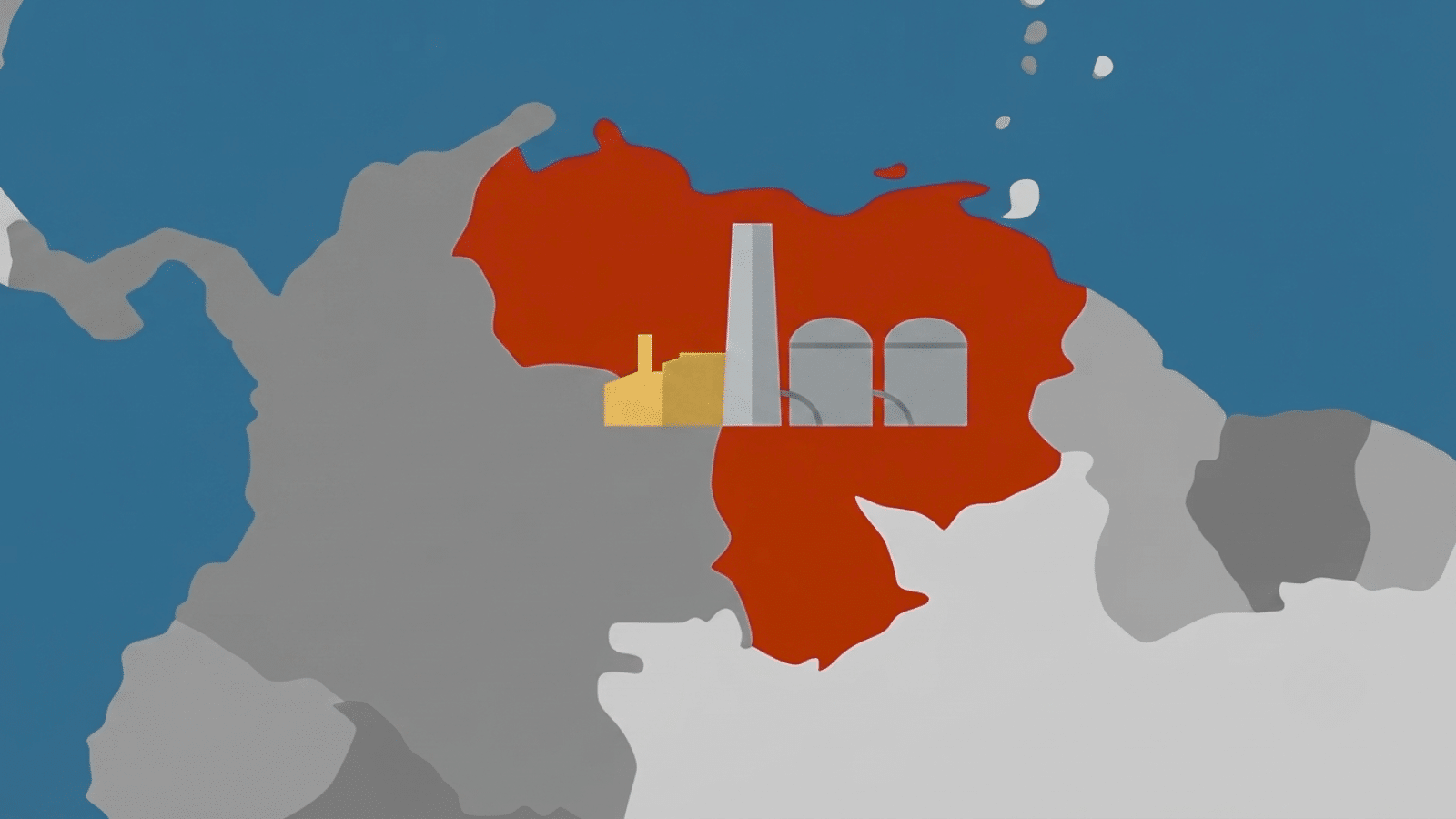
The economic and humanitarian consequences of the June 24 twin earthquakes in Venezuela continue to emerge, with the World Bank estimating reconstruction costs of about $19.7 billion. While the energy sector was relatively unaffected, the earthquakes might still hinder the recovery of the country’s oil industry in the near term by souring the investment climate and delaying planned oil spending, given damages to some key infrastructure.
The significant easing of US sanctions and end to the US blockade earlier this year allowed Venezuelan oil production to reach about 1.2 million barrels per day (bpd) in June (second-quarter oil production was up 150,000 bpd from the previous quarter). The most consequential change has been redirecting Venezuelan oil exports to compliance markets, with Venezuelan exports to the US Gulf Coast now averaging almost 600,000 bpd. These are levels last seen in 2018, before the United States placed oil sanctions on the country, making Venezuela now the second highest oil supplier to the US behind Canada. Venezuelan exports to India are also surging.
In an effort to regain momentum and normalization in the oil sector after the earthquakes, the Venezuelan interim government unveiled new oil regulations in July. The regulations further clarified fiscal terms, with royalty rates plus other production taxes going from 15% for offshore greenfields to 35% for onshore producing fields. The regulations also unveiled an opening of the industry to private-sector participation at all levels of the value chain.
In this Q&A, Adjunct Senior Scholar Dr. Luisa Palacios says that while the new regulations further open the sector to private investors, they are likely insufficient to put Venezuela’s oil production on a solid path toward peak levels of more than 3 million bpd reached before the presidency of Hugo Chávez. The earthquakes have made clear that such a recovery of the oil industry would need to be grounded in the country’s broader economic recovery, a credible capacity-building framework, and a clear path toward a democratic political transition.
Though Venezuela’s oil sector wasn’t directly damaged by the earthquakes, could they still have an impact on the industry’s recovery?
Announcements about oil deals in Venezuela have dominated the headlines in the last several months; unlocking actual investment could be more complex. This natural disaster is revealing a few interrelated challenges to a more decisive recovery of the oil sector.
US foreign policy has been focused on jumpstarting a foreign-investor-led oil sector recovery to make the country “investable.” But less attention to improving the overall policy framework and macroeconomic conditions in the country, made worse by the earthquakes, is creating broader risks to this agenda.
The earthquakes make a refocus on the bigger picture urgent, serving as a reminder of the country’s unresolved humanitarian crisis, the critical state of public services, and the technical capacity and trust issues of the interim government. Earthquake reconstruction efforts, not only oil deals, are now likely to become a key test of US foreign policy toward Venezuela, as the country’s stabilization and recovery now depend on it.
In the very near term, a more intentional framework to enhance the Venezuelan state’s technical capacity is urgently needed for the success of reconstruction efforts, but also to effectively manage the opening of the oil industry. The lack of transparency around Venezuela’s oil export revenues, being deposited in a US Treasury-designated account as part of Executive Order 14373, is an example of such need for capacity building. Strengthening Venezuela’s capacity to publish economic statistics would bring more transparency and accountability to oil export and fiscal revenues, which have not been reported since the 2010s. Such an agenda of capacity building will require more decisive involvement by multilateral organizations, and some steps in that direction are starting, which is key to effective reconstruction efforts.
Control of Venezuela’s oil revenues has given the US leverage over Venezuela’s interim government to enact policy changes. But investors need to be convinced that changes in Venezuela’s stance toward private sector participation are not solely due to this leverage, which is not sustainable. The current stance will not lower the risk premium in Venezuela, given the risk of policy reversals in what are long-term and capital-intensive investments.
Thus, unlocking significant oil investments, as US government officials have recognized, would also require advancing a democratic transition, including free and fair elections. Some steps toward a democratic transition framework have been taken recently, with US-sponsored negotiations expected to begin on August 1.
Will the new Venezuelan oil regulations be enough to jumpstart greater investment in the industry?
The US focus on stabilizing Venezuela’s oil sector led to changes in the country’s oil law at the end of January, with subsequent required regulations published on July 7. Here are some observations about the ways in which the regulations represent a further improvement toward opening the oil sector to private-sector participation and where they bring regulatory risks.
Table 1: Venezuela’s New Oil Fiscal Terms
| Type of project | Royalty + integrated hydrocarbon tax | Income tax |
| Greenfield offshore Greenfield onshore | 15%–20% 20% | 34% |
| Heavy oil (requiring blending or upgrading) | 25% | 50% |
| Brownfields, without production | 30% | 50% |
| Brownfields, with production | 35% | 50% |
Source: Author’s interpretation based on the new oil regulations (Decree 5.381), published in the Venezuelan Official Gazette.
These regulatory changes may encourage some additional investment, particularly given continued geopolitical risks in the Middle East. But a lack of progress in Venezuela’s governance and rule of law raises doubts about whether the country will be able to kick-start the type of investment cycle—and production growth—that other countries in Latin America such as in Argentina, Brazil, and Guyana, have seen.
The Center on Global Energy Policy is providing live updates on key developments related to the Iran crisis. Check back here for the latest.
The White House announced last week an oil deal for more than 65 billion barrels of oil reserves in Venezuela and a 35% equity stake in North American Blue Energy Partners (NABEP).
The Trump administration and Saudi leadership have reportedly agreed to a nuclear agreement that could enable US nuclear technology transfers to Saudi Arabia.
The ongoing disruption of oil exports through the Strait of Hormuz has caused a substantial decline in China's crude oil imports.