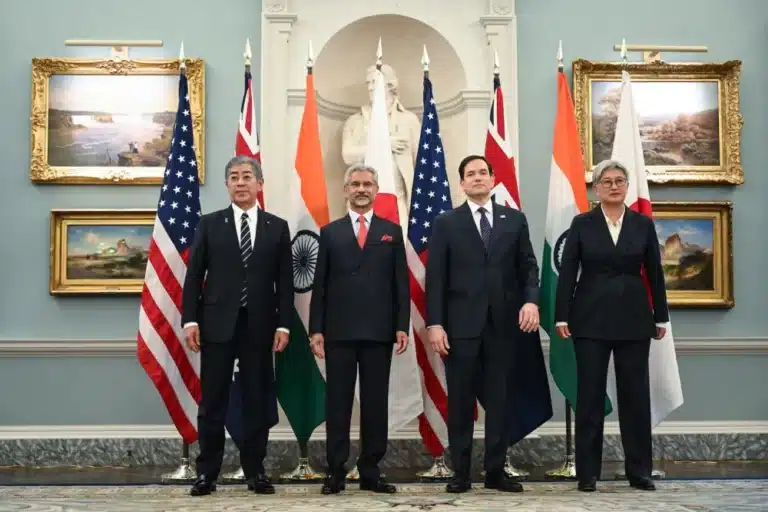
Trump promoted fossil fuels. His war is pushing the world away from them.
As oil prices spike, governments are slashing fuel use and eyeing renewables — threatening to erode global demand for fossil energy.
Get the latest as our experts share their insights on global energy policy.
On February 28, the US and Israel launched new attacks on Iran targeting primarily the country's leadership, security forces, and missile program.
Hear in-depth conversations with the world’s top energy and climate leaders from government, business, academia, and civil society.
While US and Israeli forces have significantly degraded Iran’s military and nuclear capability, the global energy landscape remains in a precarious position. For weeks, the Strait of Hormuz...
Find out more about our upcoming and past events.
This roundtable is open only to currently enrolled Columbia University students. To register, you must sign in with your UNI. Join the Center on Global Energy Policy’s Women...

The resilience of the U.S. electric grid in the face of threats from cyber and physical attacks, not to mention natural disasters, continues to stir up concerns in Washington, D.C. and across the country. Among the questions is how big of a role the government should play in responding to these risks.
In this edition of the Columbia Energy Exchange podcast, host Bill Loveless interviews Bruce Walker, the assistant secretary for electricity at the U.S. Department of Energy (DOE), whose office is responsible for developing electricity policy, including that pertaining to the reliability and resilience of the grid.
Bill met Bruce at DOE headquarters to talk about the Trump Administration’s rationale in addressing the grid’s ability to recover from a disaster, and how its approach differs from past policies. Among other topics, they discuss: steps DOE has already taken on behalf of grid resilience, including a new office to better respond to cyber, physical and natural threats to electric infrastructure; lessons learned from the devastating hurricane in Puerto Rico; and a recent Administration memo reported in the press that lays out a plan some view as unnecessary support for coal and nuclear plants.
While US and Israeli forces have significantly degraded Iran’s military and nuclear capability, the global energy landscape remains in a precarious position. For weeks, the Strait of Hormuz...
During President Trump’s second term, the administration has taken unprecedented action in the US private sector. The federal government’s investments in critical mineral mining and chip manufacturing are...

Today marks the last day of CERAWeek, the annual energy industry conference sometimes described as the Davos of energy. As oil and gas CEOs and government officials gathered...

The Iran conflict has rapidly expanded, drawing in actors across the Middle East and raising concerns about broader regional escalation.
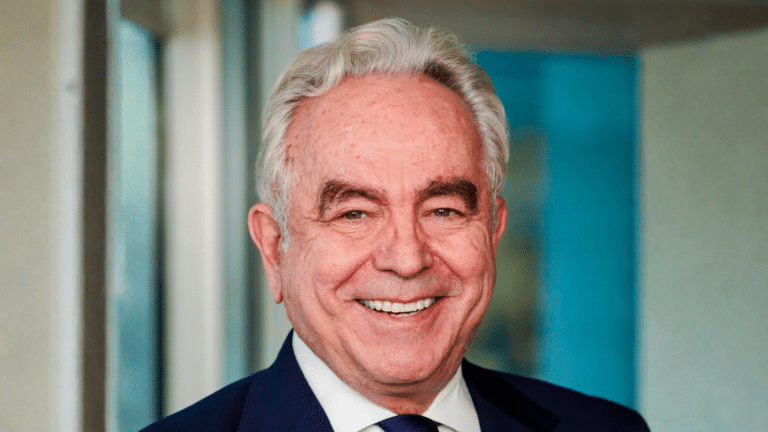
The war in Iran is not just another energy shock. It is arriving at a moment when Europe is already under cumulative strain: a war on its eastern border, the lingering aftershocks of the 2022 energy crisis, industrial decline, political fragmentation, fiscal limits, and a widening debate over how much of its own security it must now provide.
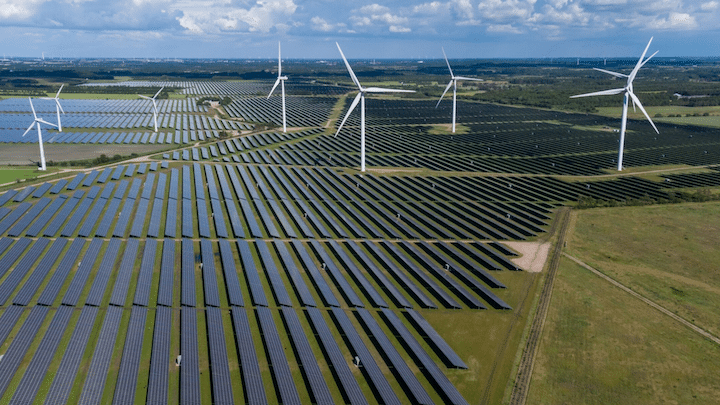
Without transatlantic alignment, we risk forfeiting the very advantages our alliance was built to protect.
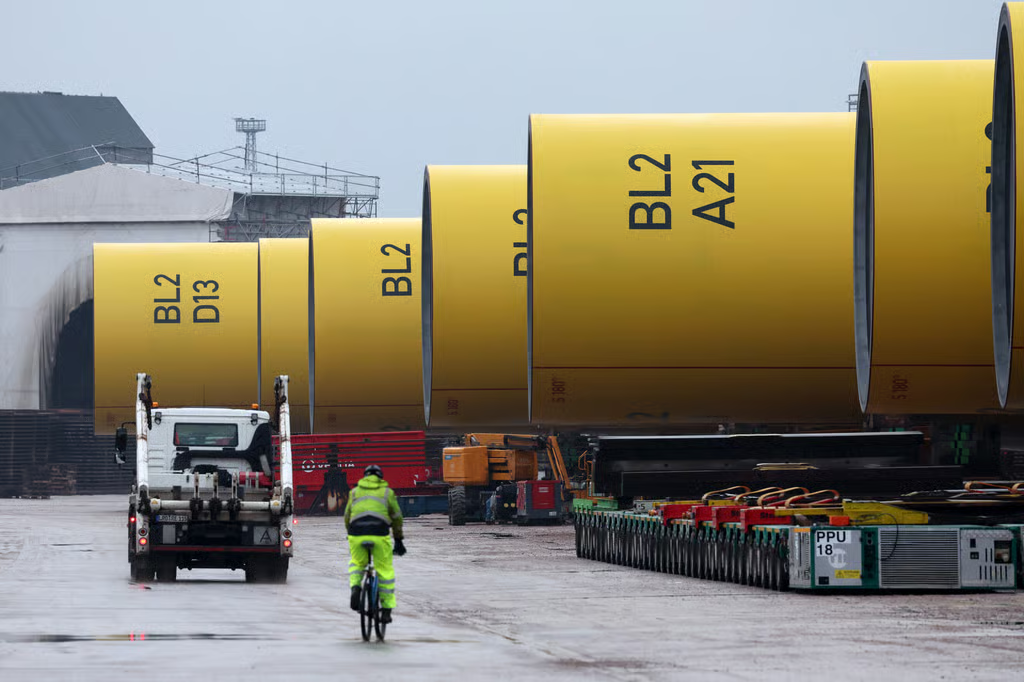
CGEP scholars reflect on some of the standout issues of the day during this year's Climate Week

Each country in the alliance offers distinct strengths.