“Everything up in the air”: LNG, the Strait of Hormuz, and Central & Eastern Europe’s energy future
"LNG shipments to Central & Eastern Europe are reliable as long as those gas markets are not overly dependent upon one supplier."
Get the latest as our experts share their insights on global energy policy.
On February 28, the US and Israel launched new attacks on Iran targeting primarily the country's leadership, security forces, and missile program.
Hear in-depth conversations with the world’s top energy and climate leaders from government, business, academia, and civil society.
The global order that shaped the past several decades is giving way to a more fragmented and uncertain world. Long-standing alliances are under strain, economic integration is giving...
Russia’s invasion of Ukraine has sent oil and natural gas markets for a loop.
But less attention has been paid to the implications of the war for global energy and food security, particularly for the world’s poorest and least developed countries (LDCs).
For a deep dive into whether Western nations can still fulfill the climate finance promises made to LDCs in the midst of an unfolding global conflict and energy crisis in Europe, host Bill Loveless turned to Dr. Harry Verhoeven.
He’s a Senior Research Scholar at the Center on Global Energy Policy who has collaborated extensively with key policy actors including the World Bank, the European Union, the United Nations and governments around the world. He is also the founder and Convenor of the Oxford University China-Africa Network.
In this conversation, Dr. Verhoeven outlines how the Russia-Ukraine conflict is destabilizing prices for certain food commodities like wheat and what the Russia-Ukraine war means for energy transitions of countries like Angola, Sudan and Mozambique.
Recently, Dr. Verhoeven authored a paper on the topic for CGEP called “International Energy Markets and Food Insecurity in the Least Developed Countries: The Russia-Ukraine Crisis and Beyond.” Soon, the Organization for Economic Cooperation and Development will release another report by Harry on the same topic.
The global order that shaped the past several decades is giving way to a more fragmented and uncertain world. Long-standing alliances are under strain, economic integration is giving...
It’s been a head-spinning day in the Iran war. Earlier today, following a temporary truce between Lebanon and Israel, Iran announced that the Strait of Hormuz would be...

With an April 21 deadline looming, the Middle East remains suspended in a volatile state of war and peace. Regional mediators are scrambling to broker a second round...
Energy abundance means different things in today’s global context than it did even a decade ago. It is about expanding electricity access while meeting rising energy demand. It...
Within days of the initial U.S. and Israeli attack on Iran on February 28, 2026, the world was plunged into an energy crisis.
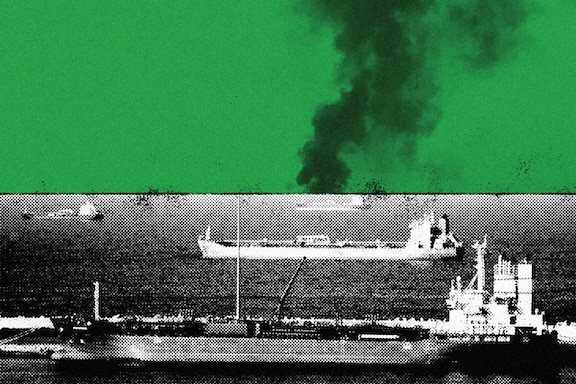
The war in Iran is not just another energy shock. It is arriving at a moment when Europe is already under cumulative strain: a war on its eastern border, the lingering aftershocks of the 2022 energy crisis, industrial decline, political fragmentation, fiscal limits, and a widening debate over how much of its own security it must now provide.
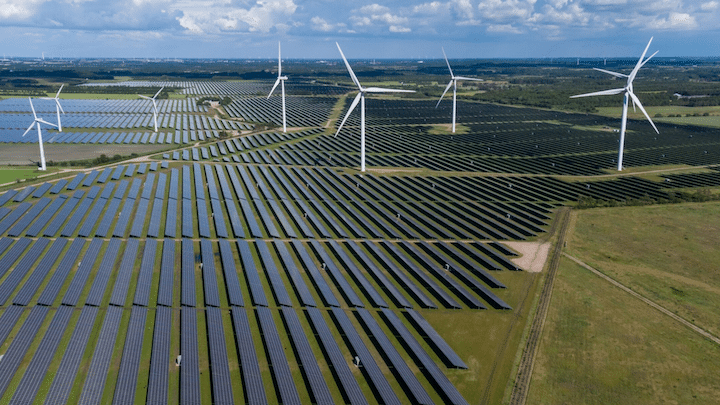
Without transatlantic alignment, we risk forfeiting the very advantages our alliance was built to protect.
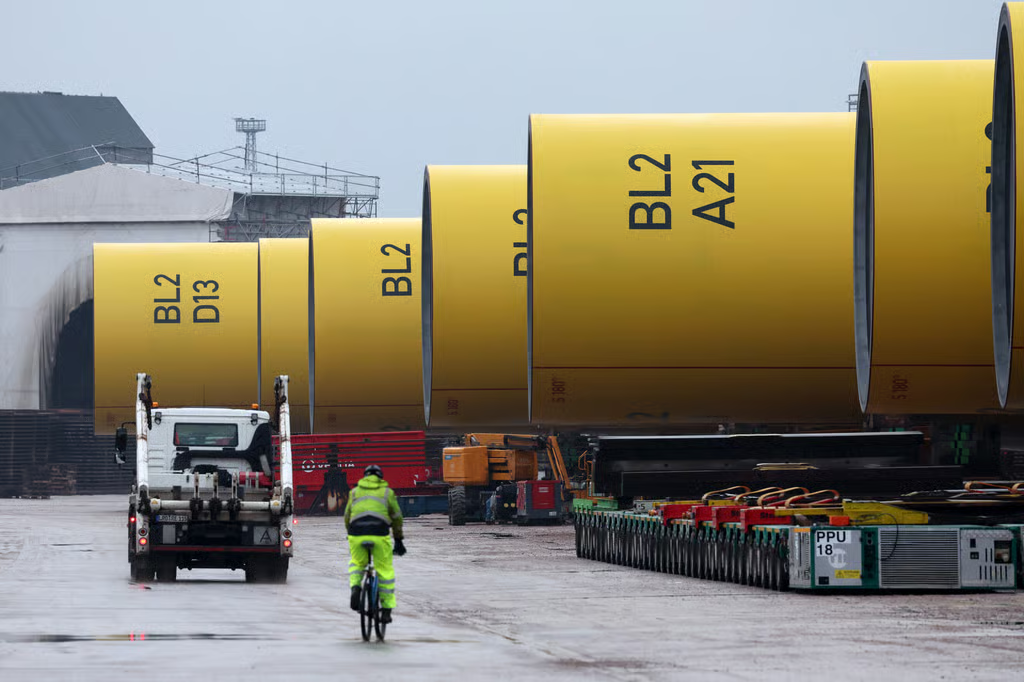
CGEP scholars reflect on some of the standout issues of the day during this year's Climate Week