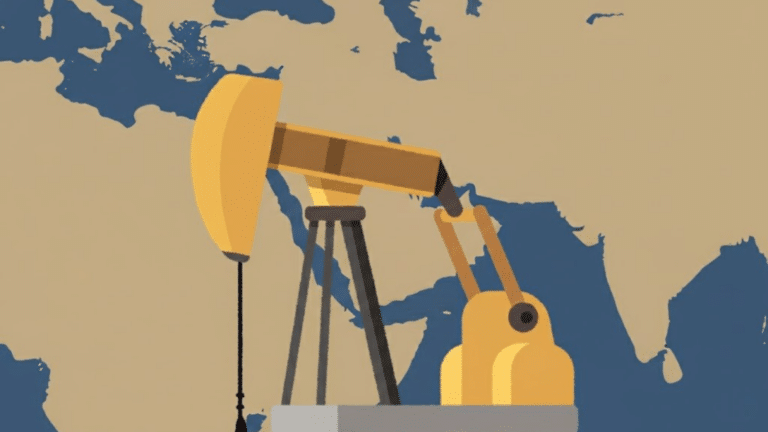
Trump promoted fossil fuels. His war is pushing the world away from them.
As oil prices spike, governments are slashing fuel use and eyeing renewables — threatening to erode global demand for fossil energy.
Get the latest as our experts share their insights on global energy policy.
On February 28, the US and Israel launched new attacks on Iran targeting primarily the country's leadership, security forces, and missile program.
Hear in-depth conversations with the world’s top energy and climate leaders from government, business, academia, and civil society.
While US and Israeli forces have significantly degraded Iran’s military and nuclear capability, the global energy landscape remains in a precarious position. For weeks, the Strait of Hormuz...

Find out more about our upcoming and past events.
This roundtable is open only to currently enrolled Columbia University students. To register, you must sign in with your UNI. Join the Center on Global Energy Policy’s Women...

Energy has long been intimately tied to global geopolitics, power and foreign policies. The rapid pace of change in the energy sector is creating new sources of uncertainty and risk that require careful study and understanding.
On February 28, the US and Israel launched new attacks on Iran targeting primarily the country's leadership, security forces, and missile program.
The war in Iran has significantly enhanced Latin America's geopolitical advantage as a reliable source of hydrocarbon resources.
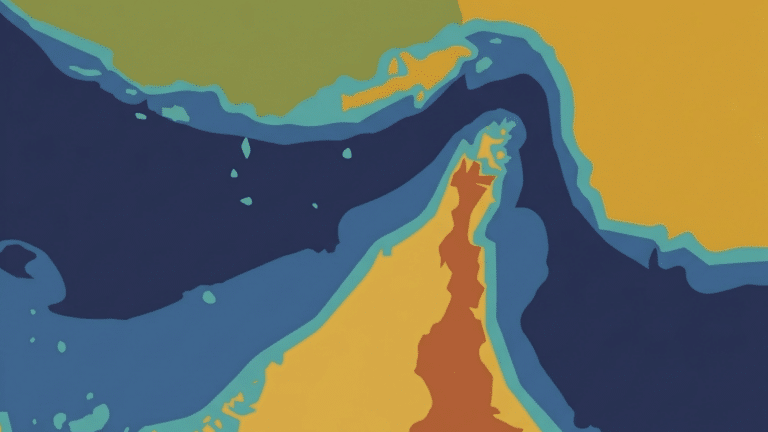
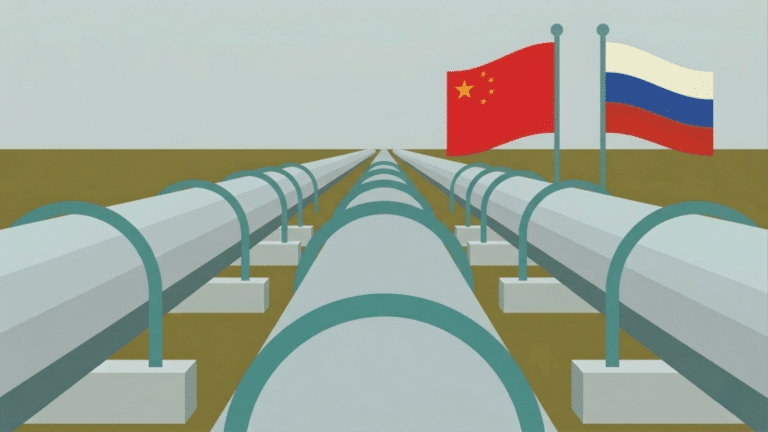
The Iran conflict could increase the appeal of Russia as an energy supplier for China.
The war in Iran is not just another energy shock. It is arriving at a moment when Europe is already under cumulative strain: a war on its eastern border, the lingering aftershocks of the 2022 energy crisis, industrial decline, political fragmentation, fiscal limits, and a widening debate over how much of its own security it must now provide.
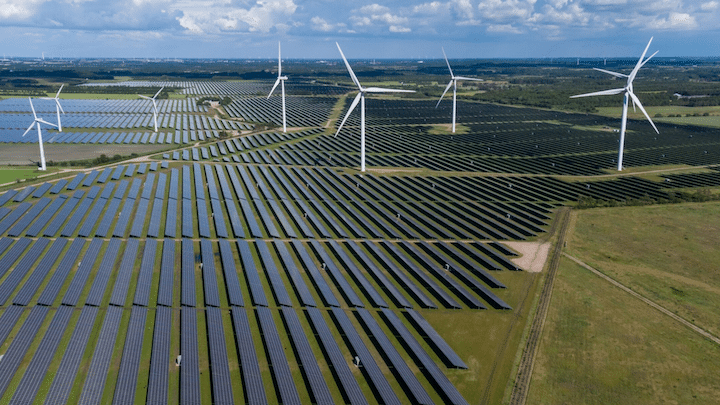
Media reports suggest the Trump Administration is considering restrictions on US oil exports.
The oil shock triggered by the crisis in the Persian Gulf has pushed crude above $100 per barrel, reviving familiar fears of economic turmoil in the United States driven by surging gasoline and diesel prices.
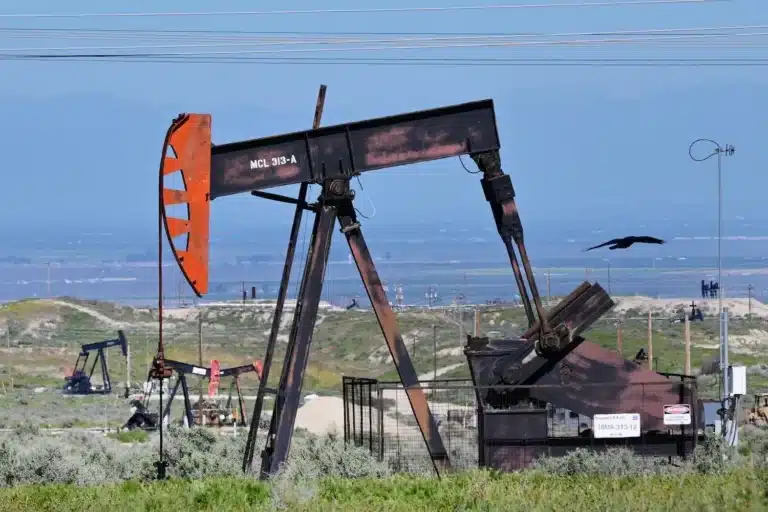
America needs a plan for Tehran's nuclear program.

The US-Israeli attack on Iran and Iran's retaliatory strikes against energy infrastructure directly impact China.

Iran has among the world's largest natural gas resource bases, but its ability to supply regional and global markets is constrained by sanctions, underinvestment, and limited export infrastructure.
Multiple US–Iran conflict scenarios carry materially different risks for global oil infrastructure, transit routes, and prices.