This website uses cookies as well as similar tools and technologies to understand visitors’ experiences. By continuing to use this website, you consent to Columbia University’s usage of cookies and similar technologies, in accordance with the Columbia University Website Cookie Notice.
Energy Explained
Get the latest as our experts share their insights on global energy policy.
The Trump Administration’s Necessary but Insufficient Critical Minerals Investments: Q&A
The White House has just announced over $2 billion in new critical minerals, magnets, and battery investments.

Podcasts
Hear in-depth conversations with the world’s top energy and climate leaders from government, business, academia, and civil society.
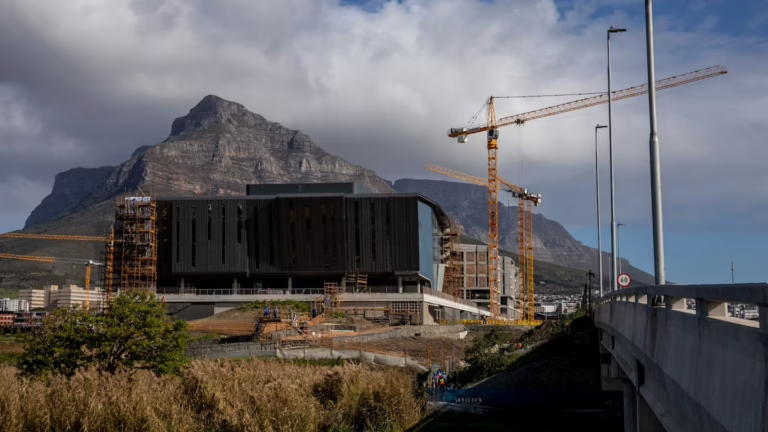
Luisa Palacios on Rebuilding Venezuela’s Oil Industry After the Quakes
It started last year as a pressure campaign at sea, with the United States seizing tankers as part of what President Trump called a “total and complete blockade”...

Events
Find out more about our upcoming and past events.
September 10, 2026
• 10:00 am - 11:00 am
edt
Carbon Markets Webinar: Regulatory Landscape for Project-Based Carbon Credit Markets
PCCMs facilitate the generation, trading, and retirement of carbon credits from projects that remove, reduce, or avoid greenhouse gas emissions. By creating a revenue stream from verified climate...
Event
Podcast
Sir David King on Mission Innovation & Climate Change
October 31, 2016
Next week governments from around the world will convene in Marrakech, Morocco for the 22nd Conference of Parties to the UN Framework Convention on Climate Change. In this episode Sir David King, the U.K. Foreign Secretary’s Special Representative for Climate Change, sits down with Columbia Energy Exchange host David Sandalow, Inaugural Fellow at the Center, to discuss the role of clean energy technologies in fighting climate change. Previously, Sir David served as Chief Scientific Adviser to the U.K. Government, Founding Director of the Smith School of Enterprise and Environment at Oxford and head of the Department of Chemistry at Cambridge University. He has published over 500 papers on science and policy and holds 22 Honorary Degrees from universities around the world.
Their conversation, recorded at the Innovation for Cool Earth Forum in Tokyo this month, includes discussion on topics including Mission Innovation and clean energy innovation, new technologies shaping the energy transition, the need for intelligent smart grid systems, how to achieve net zero emissions and the implications of Brexit for climate change commitments in the U.K.
More Episodes
Luisa Palacios on Rebuilding Venezuela’s Oil Industry After the Quakes
It started last year as a pressure campaign at sea, with the United States seizing tankers as part of what President Trump called a “total and complete blockade”...
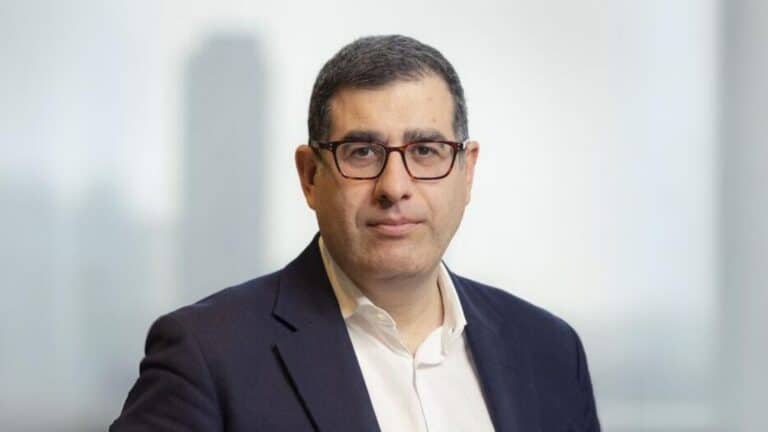
Javier Blas on Lessons from Closing Hormuz (So Far)
Over the past five months, the Strait of Hormuz has been closed for extended stretches of time, disrupting roughly 10 to 15 million barrels of oil supply each...
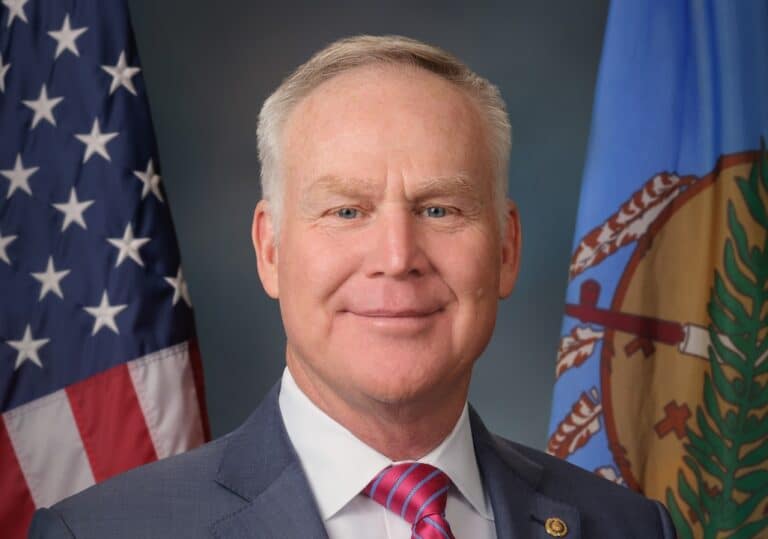
Senator Alan Armstrong on Building American Energy Infrastructure
As the demand for power surges across the US, the debate over how to build energy infrastructure has reached a fever pitch. And while both sides of the...
Tom Moerenhout and Tomasz Nadrowski on Fixing the Mineral Supply Chain
Critical minerals sit at the intersection of energy technology, industrial competitiveness, and economic resilience. The issue has hit a fever pitch in the United States, driving the Trump...

Relevant
Publications
The Trump Administration’s Necessary but Insufficient Critical Minerals Investments: Q&A
The White House has just announced over $2 billion in new critical minerals, magnets, and battery investments.

Fix Modeling and Cost-Benefit Analysis
Why U.S. economic models must account for climate change and the clean energy transition to improve policymaking, forecasting, and public investment decisions.