Prix des carburants : pourquoi les raffineries sont au cœur de la tempête
Plus que d'un problème pétrolier, la flambée des prix du carburant résulte de tensions sur les capacités mondiales de raffinage.
Get the latest as our experts share their insights on global energy policy.
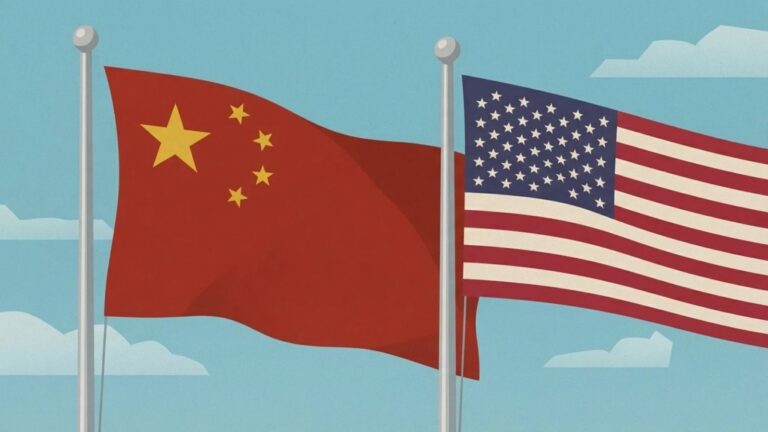
Last week's summit between US President Trump and Chinese President Xi was the second meeting between the two leaders since the US and Israel attacked Iran.
Hear in-depth conversations with the world’s top energy and climate leaders from government, business, academia, and civil society.
Carbon credit markets have become one of the most hotly debated tools in the fight against climate change. Supporters call them essential to closing the gap between corporate...

Find out more about our upcoming and past events.
Apply to Register The Center on Global Energy Policy at Columbia University SIPA’s Women in Energy initiative invites Columbia University students to a roundtable discussion with Pam Brown,...

External Publication with Pierpaolo Cazzola • KiM Netherlands Institute for Transport Policy Analysis • April 16, 2026
The energy transition involves a shift from a fossil fuel-based system to one based on renewable energy. This is a major challenge, including for the transport sector. A rapidly changing geopolitical landscape means that, besides climate, other...
The energy transition involves a shift from a fossil fuel-based system to one based on renewable energy. This is a major challenge, including for the transport sector. A rapidly changing geopolitical landscape means that, besides climate, other objectives, such as energy security, strategic autonomy, competitiveness and affordability, are becoming increasingly important, creating a complex puzzle.
Due to technological uncertainties and trade-offs between certain objectives, adaptive policy will be necessary: we must be able to adjust our approach. Electrification is often the most efficient and cost-effective solution where possible, but the majority of energy demand in the Netherlands will still be met by fuels in 2050. For all modes of transport, the transition will not happen by itself: policy support will be needed to ensure a successful transition.
The White House has just announced over $2 billion in new critical minerals, magnets, and battery investments.


Think tank indipendente per la transizione energetica e industriale dell'Italia
Full report
External Publication with Pierpaolo Cazzola • KiM Netherlands Institute for Transport Policy Analysis • April 16, 2026