Morocco puts African Atlantic Gas Pipeline into UN financing pitch as Q4 FID target looms
Morocco has brought the roughly $25bn African Atlantic Gas Pipeline (AAGP) into a broader push for private and multilateral development capital as ...
Get the latest as our experts share their insights on global energy policy.
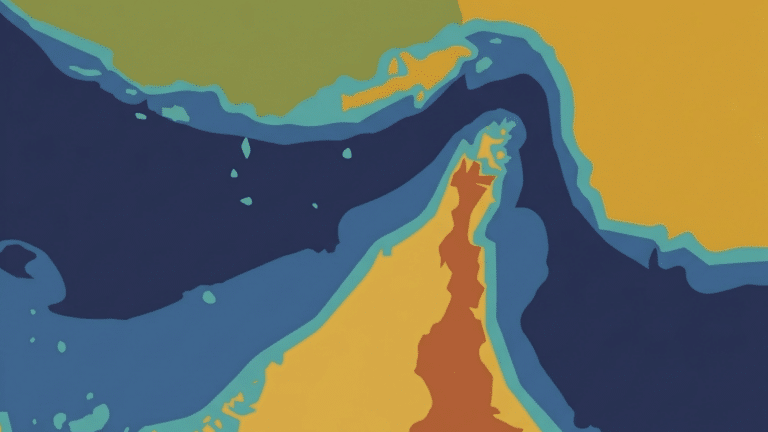
The Center on Global Energy Policy is providing live updates on key developments related to the Iran crisis. Check back here for the latest.
Hear in-depth conversations with the world’s top energy and climate leaders from government, business, academia, and civil society.
Seven months into the largest oil supply disruption in history, there's still no resolution in sight. This week, on the sidelines of the UN General Assembly, US and Iranian officials held their first indirect talks since the Memorandum of Understanding collapsed in July—but neither side appears ready for concessions.
Find out more about our upcoming and past events.
Apply to Register The Center on Global Energy Policy at Columbia University SIPA’s Women in Energy initiative invites Columbia University students to a roundtable discussion with Pam Brown,...

Task Force Report by Juan Pablo Escudero, Diego Rivera Rivota, Juan Carlos Jobet + 1 more • March 30, 2026
This task force report reflects the authors’ understanding of key points made in the course of the roundtables. It does not necessarily represent the views of the Center on Global Energy Policy. The piece may be subject to further revision.
Contributions to SIPA for the benefit of CGEP are general use gifts, which gives the Center discretion in how it allocates these funds. More information is available at Our Partners. Rare cases of sponsored projects are clearly indicated.
Corporate Partnerships
Occidental Petroleum Corporation
Tellurian Inc.
Foundations and Individual Donors
Anonymous
Anonymous
Aphorism Foundation
the bedari collective
Children’s Investment Fund Foundation
David Leuschen
Mike and Sofia Segal
Kimberly and Scott Sheffield
Bernard and Anne Spitzer Charitable Trust
Ray Rothrock
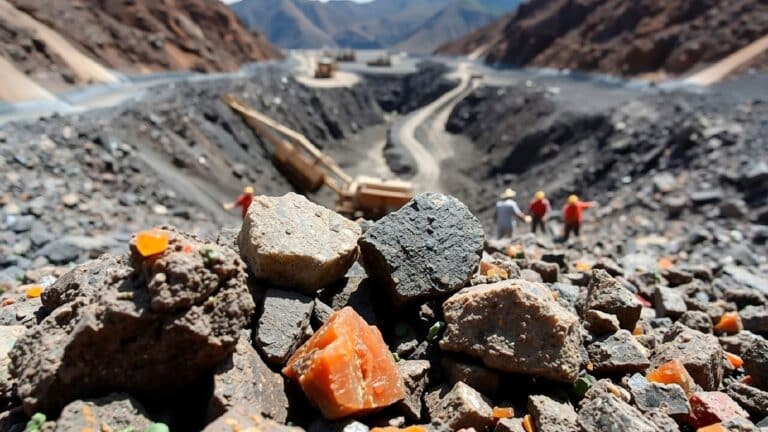
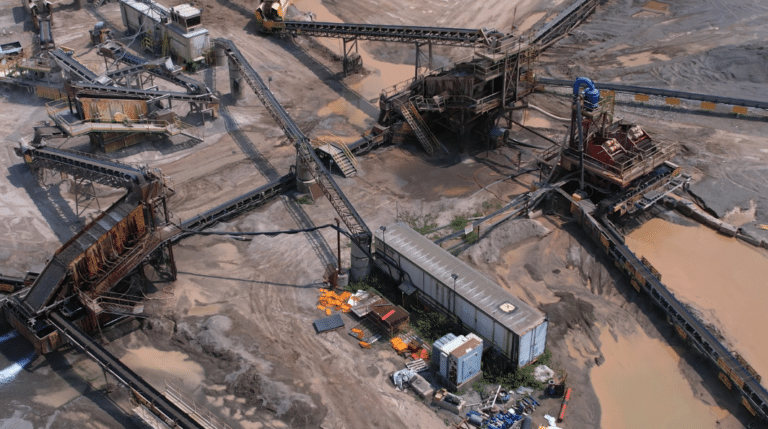
The White House has just announced over $2 billion in new critical minerals, magnets, and battery investments.
Full report
Task Force Report by Juan Pablo Escudero, Diego Rivera Rivota, Juan Carlos Jobet + 1 more • March 30, 2026