Coinbase co-founder’s Venezuela oil bet could ripple into crypto
Fred Ehrsam, who was a co-founder of Coinbase and is still a member of the board of Coinbase, has spent long months of his life living in one of the hotels of
Get the latest as our experts share their insights on global energy policy.
The White House announced last week an oil deal for more than 65 billion barrels of oil reserves in Venezuela and a 35% equity stake in North American Blue Energy Partners (NABEP).
Hear in-depth conversations with the world’s top energy and climate leaders from government, business, academia, and civil society.
It's been a tumultuous year for Venezuela, marked by political upheaval and deadly earthquakes. Then, in late August, the Trump administration announced a deal for over 65 billion...

Find out more about our upcoming and past events.
Join Women in Energy at Columbia University's Center on Global Energy Policy for a virtual information session on careers at the World Bank Group. The World Bank Group...

Explore independent and nonpartisan research that meets the high standards of academic integrity at Columbia University.

The Hormuz crisis is the latest in a series of disruptions that have exposed the continent’s energy vulnerabilities. The time to build resilience is between crises, not during them.
The White House announced last week an oil deal for more than 65 billion barrels of oil reserves in Venezuela and a 35% equity stake in North American Blue Energy Partners (NABEP).
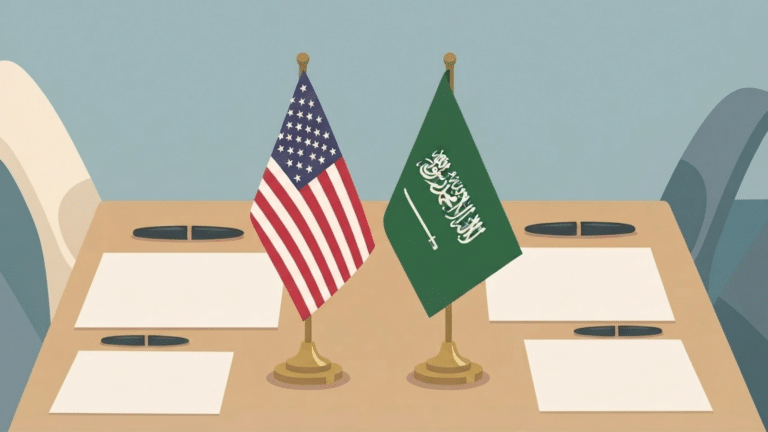
The Trump administration and Saudi leadership have reportedly agreed to a nuclear agreement that could enable US nuclear technology transfers to Saudi Arabia.
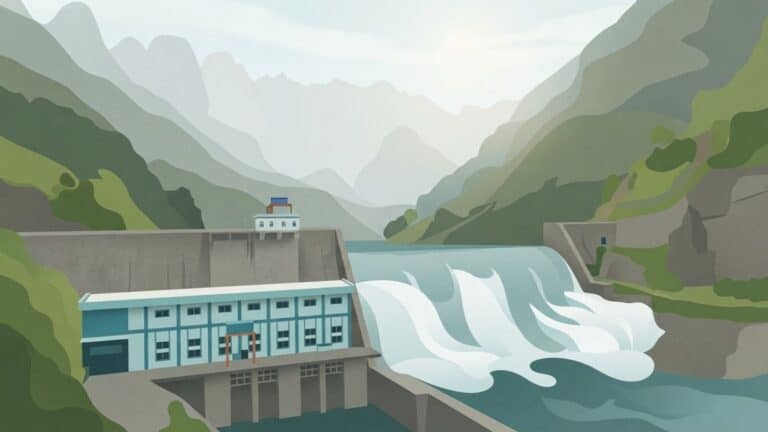
The Nepal flood that has left 1,000 people dead and close to 4,000 people missing, as of September 1, has also damaged hydropower plants that the country relies on.
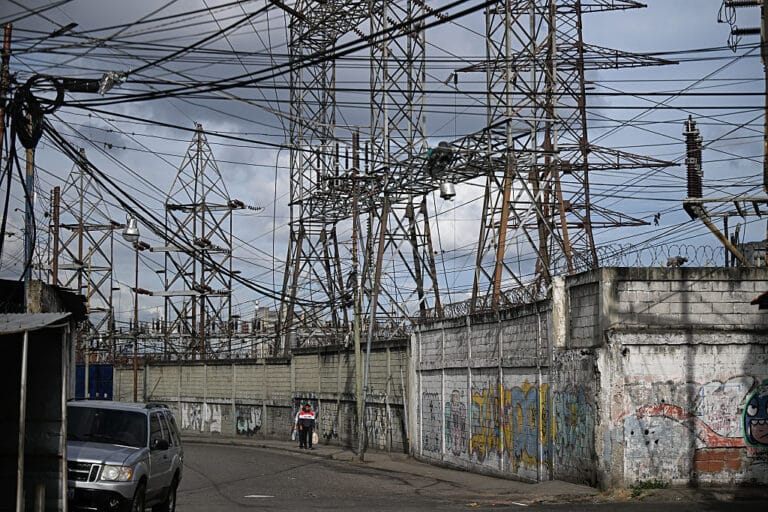
Simultaneous pressures are colliding at the worst possible time, making power generation a central test of the country’s capacity to recover.
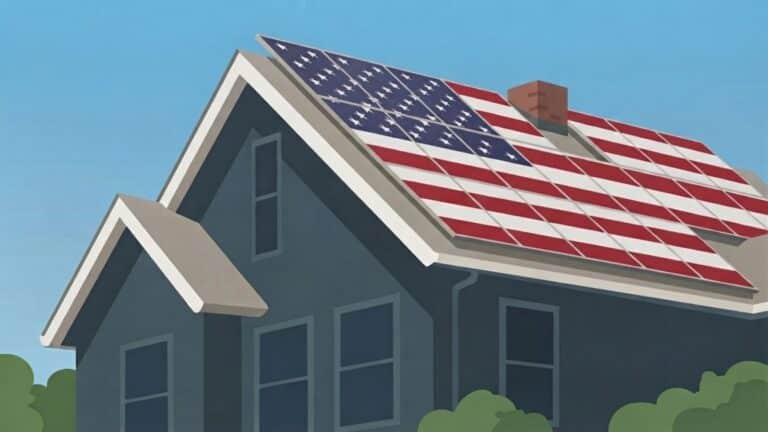
President Trump issued a proclamation on August 6 imposing tariffs on polysilicon and solar products.
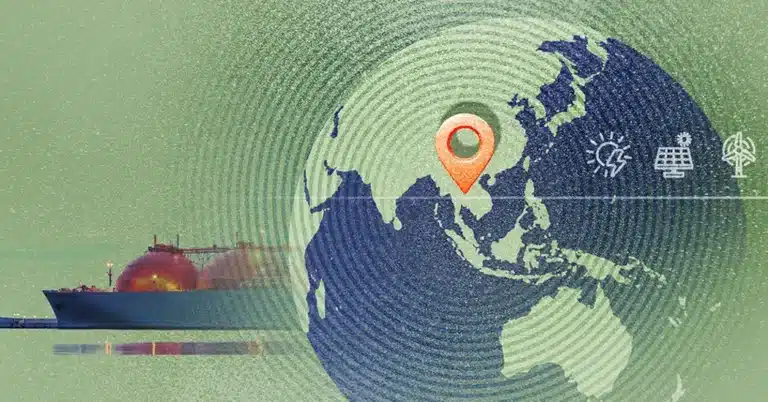
The centre of gravity of the global energy system has definitively shifted eastward, driven by rapid industrialisation, expanding urban populations, and rising
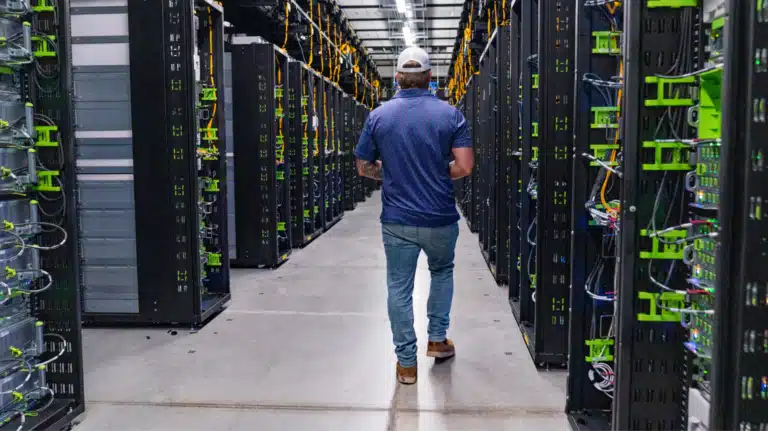
Data centers face growing local opposition as states impose moratoriums on hyperscale projects and grid connections. Communities can negotiate deals for tax revenue and jobs.
By almost any measure, the world should be suffering a far more severe energy crisis.
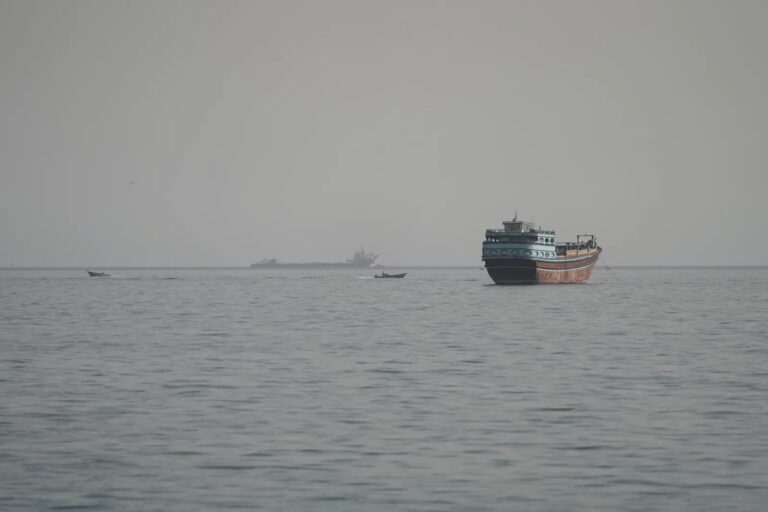
The ongoing disruption of oil exports through the Strait of Hormuz has caused a substantial decline in China's crude oil imports.
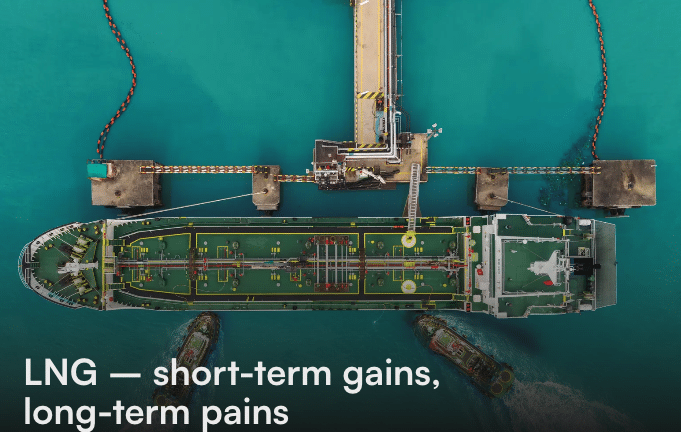
Amid the surge in US gas demand coming from LNG exporters, there is a lack of equivalent new working gas storage capacity in the US.