Congress Looks to Charge Data Centers Billions in Sweeping Energy Plan
The permitting bill could make it easier to build data centers for A.I. but a novel provision would also force data centers to pay much more for power.
Get the latest as our experts share their insights on global energy policy.
The shift in the balance of political power will help determine which US policies can be funded and sustained over the next two years.
Hear in-depth conversations with the world’s top energy and climate leaders from government, business, academia, and civil society.
Affordability was one of the key issues that drove US voters to the polls last week, and the resulting message for the newly elected Congress is clear: driving...

Find out more about our upcoming and past events.
Putting data centers in space once seemed fanciful. Today, a growing number of companies have started doing so.

President and CEO of Hydro‑Québec
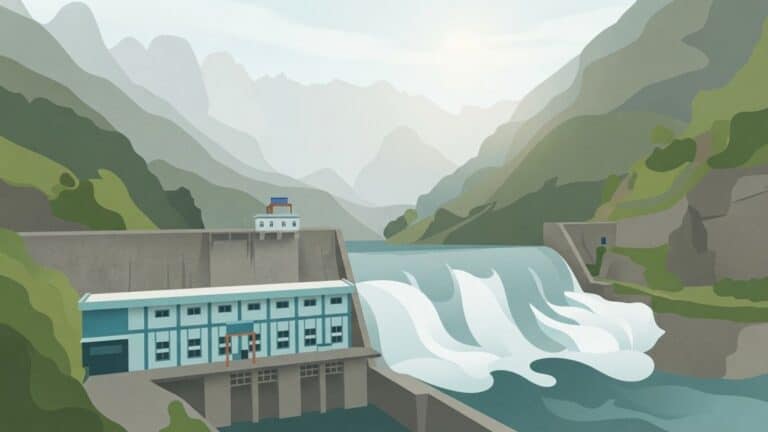
Hydropower is one of our oldest sources of renewable energy. In 2018, hydropower made up nearly 60% of Canada’s electricity generation. In provinces like Quebec and Manitoba, hydropower makes up well over 90% of the provincial electricity supply.
One Canadian power company is looking to expand and provide hydroelectricity to its neighbors down south.
In this episode, host Bill Loveless sits down with Sophie Brochu, the President and CEO of Hydro-Québec, a Canadian state-owned utility and the fourth-largest producer of hydropower in the world.
Brochu is currently leading new efforts to expand Hydro-Québec’s reach and bring low-carbon electricity to the United States through new transmission lines in the Northeast.
But, the company is facing pushback from local groups on how and where these new transmission lines should be built.
Bill spoke with Sophie about those criticisms, the future of fossil fuel companies, and her vision for distributing and generating clean electricity throughout North America.
Affordability was one of the key issues that drove US voters to the polls last week, and the resulting message for the newly elected Congress is clear: driving...
Energy costs are a big consideration for voters in much of the US today as they head to the polls. But the decisions that shape those costs will...

Every permitting bill promises the same thing: build faster. The harder question is what the trade-offs are, and who bears them. That question is at the heart of...

After years of trying, the US may be on the cusp of a nuclear renaissance. Commercial nuclear generation began in this country in 1958. Today, the US has...

Over the past decade, governments in developed economies have expanded the use of public financing tools to support the development of clean energy and critical materials technologies.
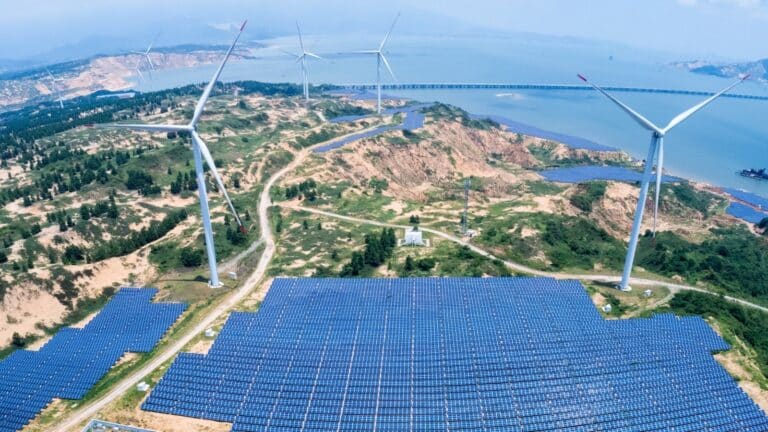
Governments in developed economies have expanded the use of public financing tools to support clean energy and critical materials technology development over the past decade.
The Nepal flood that has left 1,000 people dead and close to 4,000 people missing, as of September 1, has also damaged hydropower plants that the country relies on.