This website uses cookies as well as similar tools and technologies to understand visitors’ experiences. By continuing to use this website, you consent to Columbia University’s usage of cookies and similar technologies, in accordance with the Columbia University Website Cookie Notice.
Energy Explained
Get the latest as our experts share their insights on global energy policy.
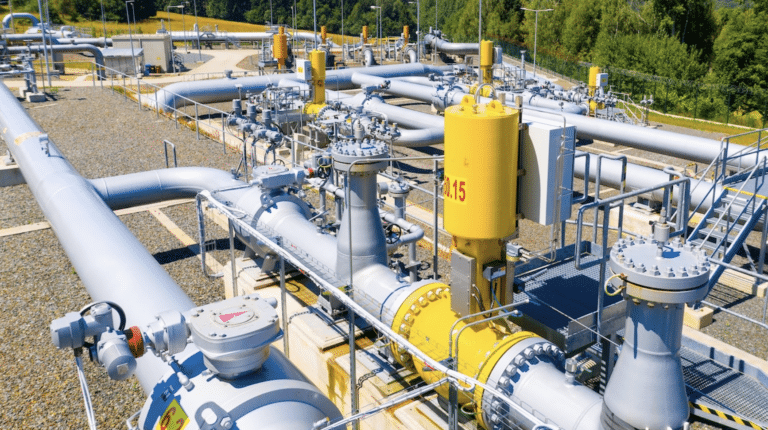
Iran’s Oil Sector Can Likely Weather Production Shut-ins, but Gas Fields Are at Risk
The US blockade of tankers serving Iran's oil exports is intended to cut Iranian oil exports to near-zero.
Podcasts
Hear in-depth conversations with the world’s top energy and climate leaders from government, business, academia, and civil society.
Iran Conflict Brief: Why the UAE Is Leaving OPEC Now
It has been a tumultuous 24 hours for the global energy landscape. Yesterday, the United Arab Emirates sent shockwaves through the oil industry by announcing its withdrawal from...

News
“Les signaux ne sont absolument pas bons” pour l’approvisionnement en gaz, s’inquiète la chercheuse Anne-Sophie Corbeau
Le blocage du détroit d'Ormuz pourrait mettre en concurrence l'Europe et l'Asie pour leur approvisionnement en gaz, souligne mardi dans La Matinale la chercheuse Anne-Sophie Corbeau. La situation est différente de l'invasion de l'Ukraine en 2022, où l'arrêt du flux du gaz russe ne concernait que l'Europe et avait été progressif.
Related
More News
Algeria and Libya see gains from Iran conflict but time is of essence
Algeria and Libya are working to boost oil and gas output as their long-standing efforts in this domain gain urgency amid the Iran conflict
Relevant
Publications
European Gas Storage: The World’s Winter Buffer Is Dwindling
Europe is entering the 2026 gas injection season with its lowest level of gas in storage since 2018.
Asia’s Gas Shock Playbook: Coal, Curtailment, and Competing for LNG
Almost 90 percent of the LNG that transited the Strait of Hormuz in 2025 was destined for Asian countries.
Why Russia Can’t Capitalize on the Iran War’s Gas Shock
When the Iran War disrupted shipping through the Strait of Hormuz and tightened global gas balances, a familiar assumption quickly resurfaced: Russia, possessing the largest proven natural gas reserves in the world, would inevitably emerge as one of the principal beneficiaries.