This website uses cookies as well as similar tools and technologies to understand visitors’ experiences. By continuing to use this website, you consent to Columbia University’s usage of cookies and similar technologies, in accordance with the Columbia University Website Cookie Notice.
Energy Explained
Get the latest as our experts share their insights on global energy policy.
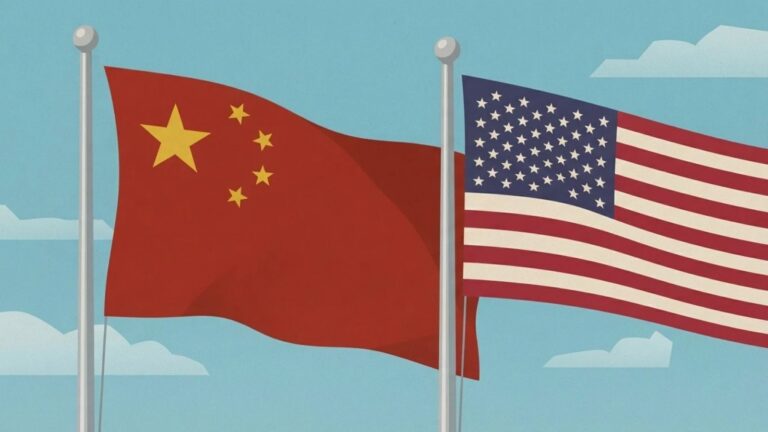
Fossil Fuels Dominated the Energy Discussion at the Trump-Xi Summit: Q&A
Last week's summit between US President Trump and Chinese President Xi was the second meeting between the two leaders since the US and Israel attacked Iran.
Podcasts
Hear in-depth conversations with the world’s top energy and climate leaders from government, business, academia, and civil society.
Gautam Jain and Ned Shell on the Promise of Carbon Credit Markets
Carbon credit markets have become one of the most hotly debated tools in the fight against climate change. Supporters call them essential to closing the gap between corporate...
Columbia Energy Exchange Podcast
• October 6, 2026

Events
Find out more about our upcoming and past events.
October 14, 2026
• 12:00 pm - 1:00 pm
edt
Student Roundtable with Career Coach Pam Brown
Apply to Register The Center on Global Energy Policy at Columbia University SIPA’s Women in Energy initiative invites Columbia University students to a roundtable discussion with Pam Brown,...
Event
• Center on Global Energy Policy
Large Conference Room
Large Conference Room

Kirsten Smith
External Associate

Biography
Relevant Articles
Tallying Updated NDCs to Gauge Emissions Reductions in 2030 and Progress toward Net Zero
The Paris Agreement included two particularly crucial innovations for supporting greenhouse gas emissions reductions: a voluntary, bottom-up nationally determined contribution (NDC) and a ratchet mechanism.

Investing in the US Natural Gas Pipeline System to Support Net-Zero Targets
The Biden administration’s move to bring the United States back into the Paris Agreement and lower greenhouse gas emissions to address climate change will, if carried through, lead to a reduction in fossil fuel consumption.