Na Venezuela, analistas veem retomada do petróleo
Expectativa é que país volte a produzir até 2 milhões de barris por dia dentro de um ou dois anos
Current Access Level “I” – ID Only: CUID holders, alumni, and approved guests only
Get the latest as our experts share their insights on global energy policy.
Securing critical minerals is a top priority of governments around the world.

Hear in-depth conversations with the world’s top energy and climate leaders from government, business, academia, and civil society.
Under the second Trump administration, the US Department of Energy significantly shifted its priorities to align with its “energy dominance" agenda. But one significant point of continuity with...
Find out more about our upcoming and past events.
Join us on February 25 for an in-depth, student-only conversation. Registration is required, and space is limited. The Center on Global Energy Policy at Columbia University SIPA’s Women...

To discuss what might come out of the Ministerial Meeting, as well as how IEA members can ensure that the Agency is most effective in responding to continuing changes in the global energy landscape going forward, host Bill Loveless speaks with CGEP Fellow and Senior Adjunct Research Scholar, Jonathan Elkind. Jon was previously Assistant Secretary for International Affairs at the U.S. Department of Energy where he worked on international energy and climate issues within the Obama Administration and with global partners.
Among many topics Jon and Bill discuss, several include: how the Trump Administration’s “America First” philosophy fits into the IEA mandate; whether IEA membership will extend to non-OECD countries in the future; and the role of oil and alternative energy resources in global energy security today.
Under the second Trump administration, the US Department of Energy significantly shifted its priorities to align with its “energy dominance" agenda. But one significant point of continuity with...
The Trump administration has prioritized nuclear energy expansion, aiming to increase US nuclear capacity fourfold by 2050. This nuclear energy resurgence in the US is a rare issue...

As political support for clean energy has waxed and waned over the past twenty years, so has the government’s financial backing. In the 2010s, critics pointed to the...
With electricity prices on the rise, the future of our power grid is attracting a lot more attention. Surging demand is at the center of the story, but...
Securing critical minerals is a top priority of governments around the world.
Having enough electricity is key to the nation’s post-Maduro recovery. Two experts offer a way forward.
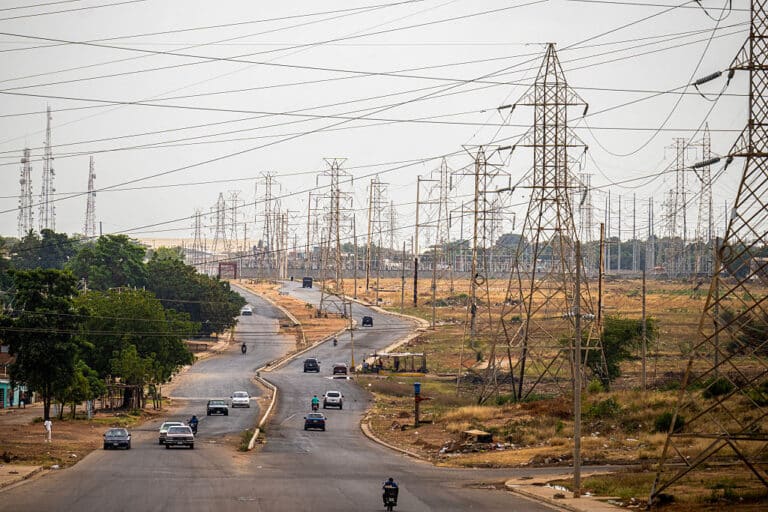
Elemento decisivo será coordenação estratégica
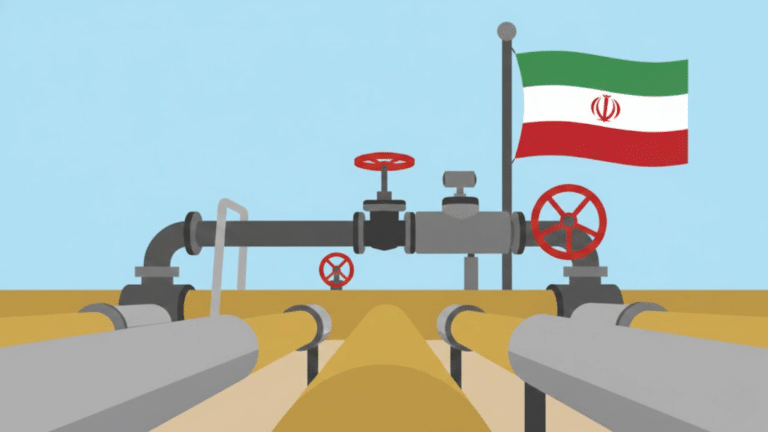
Iran has among the world's largest natural gas resource bases, but its ability to supply regional and global markets is constrained by sanctions, underinvestment, and limited export infrastructure.