This website uses cookies as well as similar tools and technologies to understand visitors’ experiences. By continuing to use this website, you consent to Columbia University’s usage of cookies and similar technologies, in accordance with the Columbia University Website Cookie Notice.
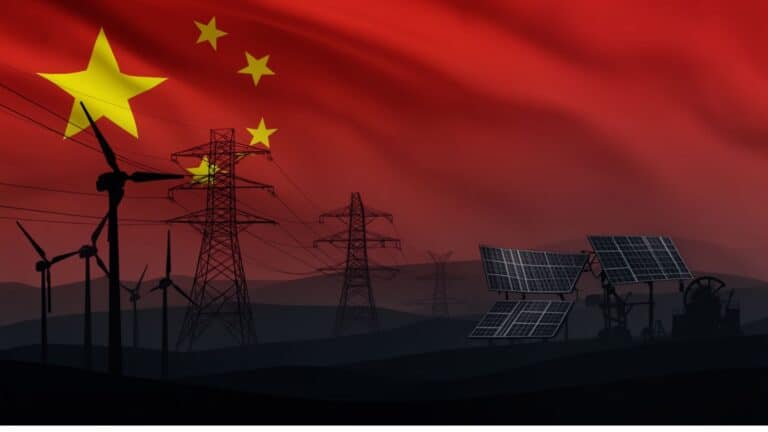
Two economic planning documents released at the March meeting of China's National People’s Congress include the term "energy powerhouse" for the first time.
In moments of geopolitical crisis, energy is never just a backdrop. It's often at the center of the story. Today, as conflict involving Iran sends shockwaves through global...
We are the premier hub and policy institution for global energy thought leadership. Energy impacts every element of our lives, and our trusted fact-based research informs the decisions that affect all of us.
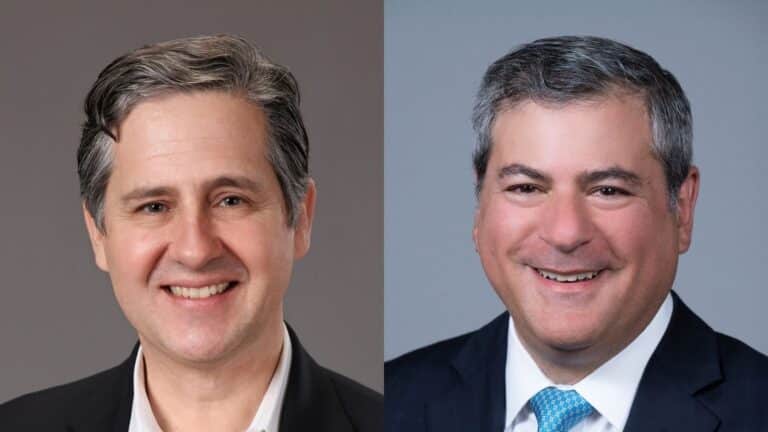
Please join the Center on Global Energy Policy for a presentation and discussion on the trends and drivers of global energy investment today and in the future. Dr. R.K. Pachauri, Nobel Laureate, Chairman of the Intergovernmental Panel on Climate Change, and Director-General of The Energy and Resources Institute (TERI) in India, will offer keynote remarks. Amb. Carlos Pascual, Fellow, Center on Global Energy Policy and former Special Envoy and Coordinator for International Energy Affairs, U.S. State Department, will then moderate a discussion with Dr. Pachauri as well as additional participants, including: – Michael Eckhart, Managing Director and Global Head of Environmental Finance and Sustainability, Citigroup; – Ted Roosevelt IV, Managing Director & Chairman of Cleantech Initiative, Barclays
Registration is required for in-person attendance. It will also be livestreamed at: http://energypolicy.columbia.edu/watch (no registration necessary for livestream viewing).
This roundtable is open only to currently enrolled Columbia University students. To register, you must sign in with your UNI. The Center on Global Energy Policy (CGEP) at...
Event
• Center on Global Energy Policy
1255 Amsterdam Ave, New York, NY 10027
The Center on Global Energy Policy (CGEP) at Columbia SIPA and the Fashion, Energy, and Climate Network invite you to join the first session of our new talk...
Event
• Center on Global Energy Policy
1255 Amsterdam Ave, New York, NY 10027
The Columbia Global Energy Summit 2026 is an annual event dedicated to thought-provoking discussions around the critical energy and climate challenges facing the global community.
This event is open to Columbia University students only. Join the Center on Global Energy Policy’s Women in Energy initiative for an interactive discussion on human rights and...
Event
• Large Conference Room Center on Global Energy Policy
On March 20, Governor Kathy Hochul proposed significant changes to New York’s Climate Leadership and Community Protection Act (CLCPA), the landmark climate law passed in 2019.