This website uses cookies as well as similar tools and technologies to understand visitors’ experiences. By continuing to use this website, you consent to Columbia University’s usage of cookies and similar technologies, in accordance with the Columbia University Website Cookie Notice.
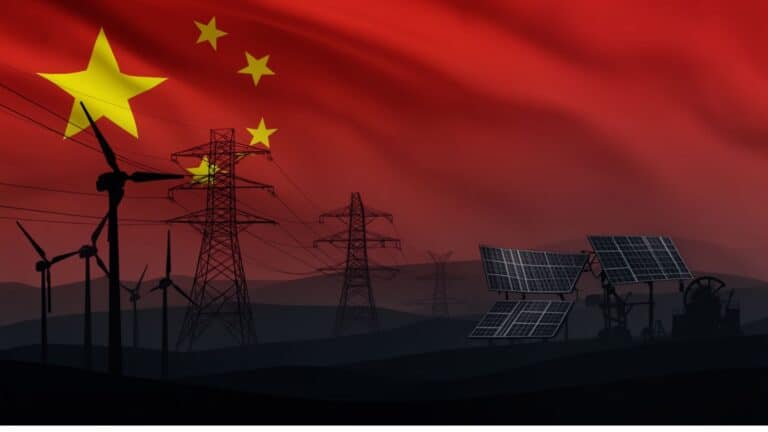
Two economic planning documents released at the March meeting of China's National People’s Congress include the term "energy powerhouse" for the first time.
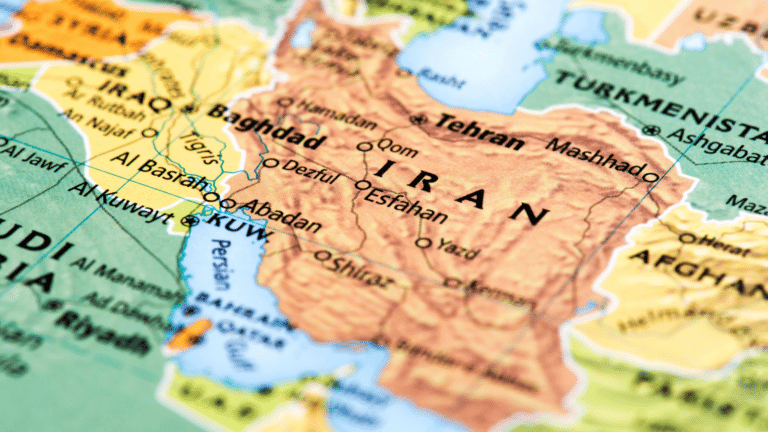
It has been a tumultuous 24 hours for the global energy landscape. Yesterday, the United Arab Emirates sent shockwaves through the oil industry by announcing its withdrawal from...
We are the premier hub and policy institution for global energy thought leadership. Energy impacts every element of our lives, and our trusted fact-based research informs the decisions that affect all of us.
Energy Innovation and National Security: A conversation with US Secretary of the Navy Ray Mabus
Past Event
April 21, 2015
2:00 pm - 3:15 pm
Share
Please join the Center on Global Energy Policy for a discussion with US Secretary of the Navy Ray Mabus on the role that the US Navy plays in driving energy innovation as well as the broader relationship between energy and national security. Secretary Mabus will offer remarks on the importance of energy to the Navy’s mission. Following Secretary Mabus’ remarks will be a moderated conversation with CGEP Inaugural Fellow David Sandalow. Registration is required for in-person attendance. This event is open to press. It will also be livestreamed at: energypolicy.columbia.edu/watch (no registration is required to view the livestream). A podcast of this event (in addition to other past Center events) will be available ~3 to 5 days after the date of the event through iTunes or via our website. For more information contact: [email protected]
This roundtable is open only to currently enrolled Columbia University students. To register, you must sign in with your UNI. Join the Center on Global Energy Policy’s Women...
Event
• Center on Global Energy Policy
1255 Amsterdam Ave, New York, NY 10027
This roundtable is open only to currently enrolled Columbia University students. To register, you must sign in with your UNI. The Center on Global Energy Policy (CGEP) at...
Event
• Center on Global Energy Policy
1255 Amsterdam Ave, New York, NY 10027
This roundtable is open only to currently enrolled Columbia University students. To register, you must sign in with your UNI. The Center on Global Energy Policy at Columbia...
Event
• Center on Global Energy Policy
1255 Amsterdam Ave, New York, NY 10027
Two economic planning documents released at the March meeting of China's National People’s Congress include the term "energy powerhouse" for the first time.