This website uses cookies as well as similar tools and technologies to understand visitors’ experiences. By continuing to use this website, you consent to Columbia University’s usage of cookies and similar technologies, in accordance with the Columbia University Website Cookie Notice.
Energy Explained
Get the latest as our experts share their insights on global energy policy.
Live Updates: Iran and the Conflict in the Middle East
The Center on Global Energy Policy is providing live updates on key developments related to the Iran crisis. Check back here for the latest.
Blog
by Anne-Sophie Corbeau, Erica Downs, Ira Joseph, Richard Nephew, Daniel Sternoff, Karen E. Young, Robin Mills & Neelesh Nerurkar • September 23, 2026

Podcasts
Hear in-depth conversations with the world’s top energy and climate leaders from government, business, academia, and civil society.
Erica Downs and Michal Meidan on China’s Oil Shock That Wasn’t
This week, Chinese President Xi Jinping travels to Washington for a state visit with President Trump, their second face-to-face meeting this year. Energy is likely to be high...
Columbia Energy Exchange Podcast
• September 22, 2026

Events
Find out more about our upcoming and past events.
September 21, 2026 - September 25, 2026
CGEP @ Climate Week 2026
The Center on Global Energy Policy at Columbia University SIPA will host a series of energy and climate focused events this September during Climate Week NYC.
Event
Podcast
America’s Path to Net Zero: Deploying Clean Technology
June 20, 2023
Guest
Sally Benson
Deputy Director for Energy and the Chief Strategist for the Energy Transition, White House Office of Science and Technology Policy
Clean energy technology deployment will play a major role in meeting the Biden administration’s “net zero by 2050” goal. To stay on target, America will need to shore up clean energy supply chains, reduce the cost of existing technologies, and fund innovation for up and coming solutions – like carbon capture and storage and fusion energy.
The Energy Team at the White House Office of Science and Technology Policy (OSTP) is a driving force behind these efforts. With its expertise in policy and science, the team helps develop innovation priorities that facilitate a swift, equitable energy transition.
So what is the strategy for deploying the clean energy technology needed to meet net zero goals? What is the timeline for emerging technologies? And how does the OSTP’s Energy Team plan to make the transition equitable?
This week host Bill Loveless talks with Sally Benson about the OSTP’s history as an innovation engine, and its current role in meeting net zero by 2050 goals.
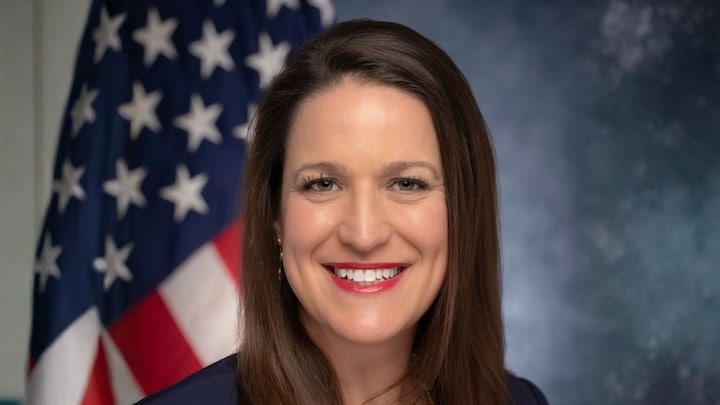
Sally is the deputy director for energy and the chief strategist for the energy transition at OSTP. She helps oversee the Net Zero Game Changers Initiative, which funds innovation in clean energy technologies for building heating and cooling, aviation, nuclear fusion, and other areas. Sally joined the Biden administration as the Precourt Family Professor of Energy Resources Engineering at Stanford University. She has also held various positions at the Lawrence Berkeley National Laboratory.
More Episodes
Erica Downs and Michal Meidan on China’s Oil Shock That Wasn’t
This week, Chinese President Xi Jinping travels to Washington for a state visit with President Trump, their second face-to-face meeting this year. Energy is likely to be high...
Columbia Energy Exchange Podcast
• September 22, 2026
Six Months In: Iran War Widens as Energy Markets Feel the Shock
More than six months into the war with Iran, the Strait of Hormuz crisis continues to cause turmoil in the Gulf region and global energy markets with no...
Columbia Energy Exchange Podcast
with Richard Nephew
, Daniel Sternoff
and Karen E. Young
• September 15, 2026

Luisa Palacios and Bob McNally on Why the US-Venezuela Oil Deal Matters
It's been a tumultuous year for Venezuela, marked by political upheaval and deadly earthquakes. Then, in late August, the Trump administration announced a deal for over 65 billion...

DOE’s Audrey Robertson on Growing US Critical Mineral Supply
Advanced technologies, a return to domestic manufacturing, and the race to control energy production while also confronting surging demand for electricity—all of these factors mean that for the...
Columbia Energy Exchange Podcast
• September 1, 2026
Relevant
Publications
Nepal Floods Test Resilience of Its Hydropower-Dependent Economy
The Nepal flood that has left 1,000 people dead and close to 4,000 people missing, as of September 1, has also damaged hydropower plants that the country relies on.

Fix Modeling and Cost-Benefit Analysis
Why U.S. economic models must account for climate change and the clean energy transition to improve policymaking, forecasting, and public investment decisions.


Glass Half Full: Building a Decarbonized U.S. Power Sector
The Inflation Reduction Act of 2022 (IRA) was built, sold, and attacked as the largest climate investment in U.S. history. […]
External Publication
with Lily Bermel •
MIT Center for Energy and Environmental Policy Research
• July 06, 2026