Trump Turns to Socialist Venezuela As Gas Prices Bite Ahead of Midterms
Trump welcomes 1 million barrels of Venezuelan oil as high gas prices remain a concern for voters ahead of the midterms.
Get the latest as our experts share their insights on global energy policy.
This Energy Explained post represents the research and views of the author(s). It does not necessarily represent the views of the Center on Global Energy Policy. The piece...

Hear in-depth conversations with the world’s top energy and climate leaders from government, business, academia, and civil society.
Every permitting bill promises the same thing: build faster. The harder question is what the trade-offs are, and who bears them. That question is at the heart of...

Find out more about our upcoming and past events.
The Center on Global Energy Policy (CGEP) at Columbia University’s School of International and Public Affairs and ReNew invite you to Columbia India Energy Dialogue 2026, taking place...

CGEP Distinguished Visiting Fellow and CEO of Bohr Quantum Technologies
The lithium-ion battery. The megawatt-scale wind turbine. The crystalline-silicon solar panel.
All popular, scalable low-carbon innovations that enjoy modern commercial success today started as prototypes with promise but lacking in funds, scalability, and widespread support. It takes innovators to bring those ideas out of the lab and into the global markets.
Host Jason Bordoff spoke with one of those innovators. Paul Dabbar is a former undersecretary of science for the U.S. Department of Energy and current CEO of Bohr Quantum Technologies. He’s also currently a Distinguished Visiting Fellow at Columbia’s Center on Global Energy Policy.
Their wide-ranging conversation focused on the legislative barriers toward research and development funding for renewable energy projects, the future of nuclear, and the cutting-edge field of quantum networking.
Every permitting bill promises the same thing: build faster. The harder question is what the trade-offs are, and who bears them. That question is at the heart of...
After years of trying, the US may be on the cusp of a nuclear renaissance. Commercial nuclear generation began in this country in 1958. Today, the US has...

Permitting reform—to allow for faster approvals on new projects—is one thing that both climate advocates and energy developers have wanted for a long time. With demand for power...

Carbon credit markets have become one of the most hotly debated tools in the fight against climate change. Supporters call them essential to closing the gap between corporate...

The case against cheap climate policy
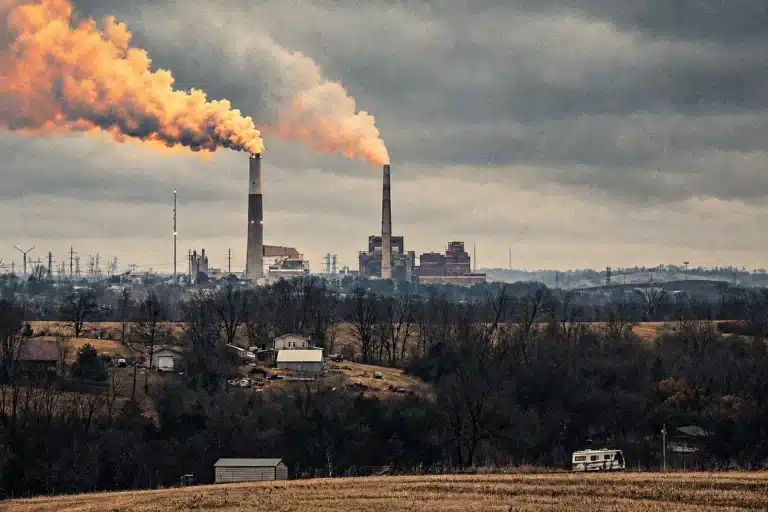

The Nepal flood that has left 1,000 people dead and close to 4,000 people missing, as of September 1, has also damaged hydropower plants that the country relies on.

Why U.S. economic models must account for climate change and the clean energy transition to improve policymaking, forecasting, and public investment decisions.