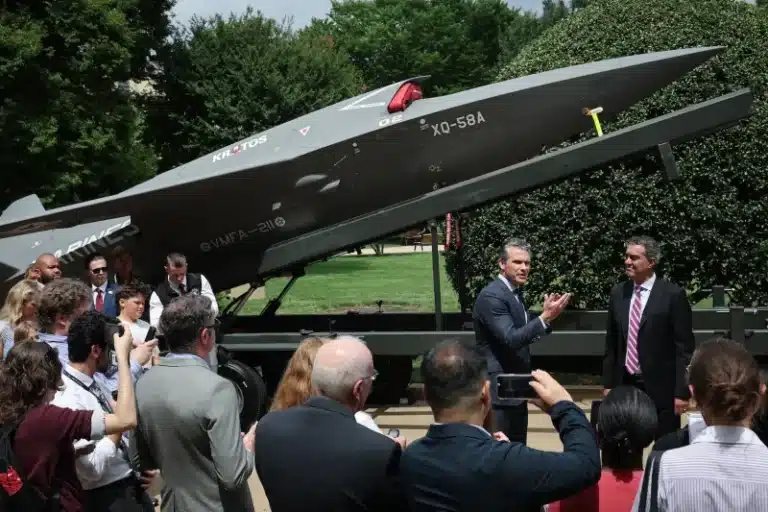
La caída a largo plazo de suministro de Qatar no provocará escasez, pero se notará en la factura del gas
Apenas el 3% del gas licuado que importa España viene del emirato, con Italia y Bélgica como los más afectados en Europa
Current Access Level “I” – ID Only: CUID holders, alumni, and approved guests only
Get the latest as our experts share their insights on global energy policy.
The war in Iran has significantly enhanced Latin America's geopolitical advantage as a reliable source of hydrocarbon resources.
Hear in-depth conversations with the world’s top energy and climate leaders from government, business, academia, and civil society.
During President Trump’s second term, the administration has taken unprecedented action in the US private sector. The federal government’s investments in critical mineral mining and chip manufacturing are...
Find out more about our upcoming and past events.
This roundtable is open only to currently enrolled Columbia University students. To register, you must sign in with your UNI. The Center on Global Energy Policy at Columbia...

Venezuela’s political crisis has reached a boiling point amid growing efforts to unseat authoritarian leader Nicolás Maduro. The country has been caught in a downward spiral for years, with growing political discontent fueled by skyrocketing inflation, power cuts, and shortages of food and medicine. U.S. officials have been hesitant to apply sanctions on Venezuelan oil, fearing they would exacerbate the humanitarian crisis in the country and potentially push up fuel prices in the U.S. But with Maduro and National Assembly leader Juan Guaidó locked in a struggle for control of the streets and the military, it seems they’ve decided it’s now worth the risk.
Media reports are conflicting, some presenting this as a total oil trade cut-off with the United States, but the government shut-down and the rapid nature of the decision-making on Venezuela leaves many experts questioning just how far the sanctions go, and what that might mean for oil markets.
On this edition of Columbia Energy Exchange, host Jason Bordoff is joined by Center on Global Energy Policy experts Distinguished Visiting Fellow Minister Mauricio Cárdenas, Senior Research Scholar Antoine Halff, and Senior Research Scholar Richard Nephew to discuss what prompted the sanctions, and their impact on trade, fuel supply and prices.
During President Trump’s second term, the administration has taken unprecedented action in the US private sector. The federal government’s investments in critical mineral mining and chip manufacturing are...
Today marks the last day of CERAWeek, the annual energy industry conference sometimes described as the Davos of energy. As oil and gas CEOs and government officials gathered...
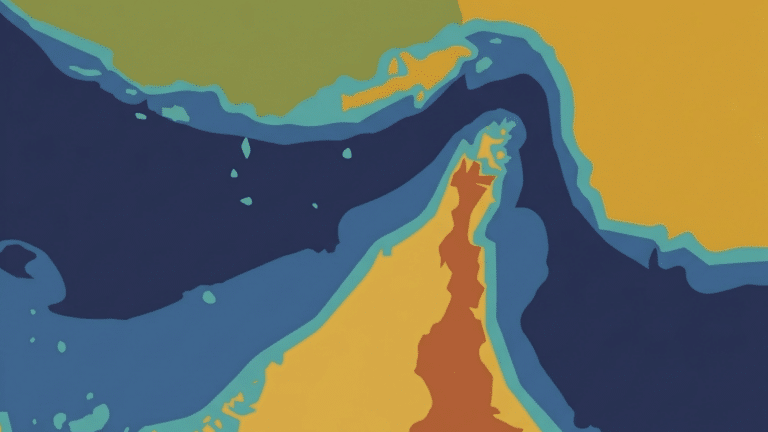
The Iran conflict has rapidly expanded, drawing in actors across the Middle East and raising concerns about broader regional escalation.
Nearly a month in, the conflict in Iran appears to have hit a critical inflection point. Over the weekend, President Trump gave Iran a 48-hour ultimatum to open...
The war in Iran has significantly enhanced Latin America's geopolitical advantage as a reliable source of hydrocarbon resources.
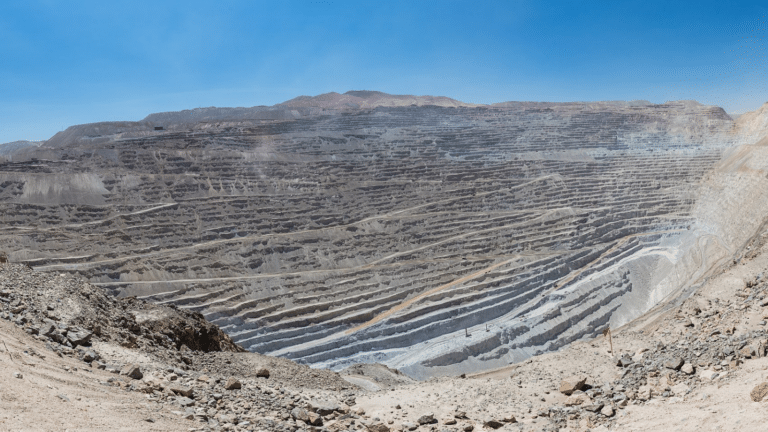
Universidad Adolfo Ibáñez (UAI) Business School, in collaboration with CGEP, organized two closed-door roundtables in the summer of 2025 to discuss local community engagement in the context of lithium and copper extraction within the global energy transition.
On March 20, Governor Kathy Hochul proposed significant changes to New York’s Climate Leadership and Community Protection Act (CLCPA), the landmark climate law passed in 2019.

The Pentagon’s new $200 billion private equity fund would harm the critical industries it aims to support.