Energy Markets Series: Half-Time Talk Weekly Feature Interview
Dr. Tatiana Mitrova, Research Fellow, Center on Global Energy Policy, Columbia UniversityTells Half-Time Talk GI Exclusive Interview: âEnergy Markets Pass th...
Get the latest as our experts share their insights on global energy policy.
Midterm voters gave Democrats control of both chambers of Congress and flipped governorships in states central to data center development.
Hear in-depth conversations with the world’s top energy and climate leaders from government, business, academia, and civil society.
Earlier this month, US voters handed Democrats control of both chambers of Congress and flipped several governorships across the country. The dramatic shift in power raises big questions...

Find out more about our upcoming and past events.
CGEP invites students to join a roundtable discussion with Cassady Walters, Vice President, Power, The Rockefeller Foundation.

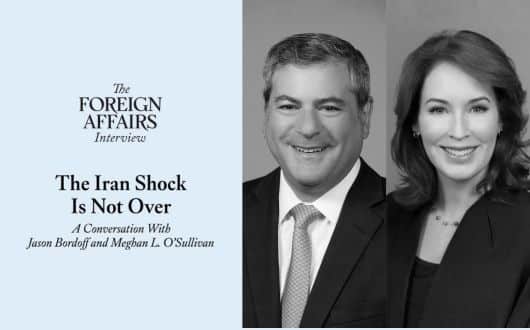
A Conversation With Jason Bordoff and Meghan L. O'Sullivan. Podcast hosted by Foreign Affairs Editor Dan Kurtz-Phelan.
âBloomberg: The China Showâ is your definitive source for news and analysis on the world's second-biggest economy. From politics and policy to tech and trend...
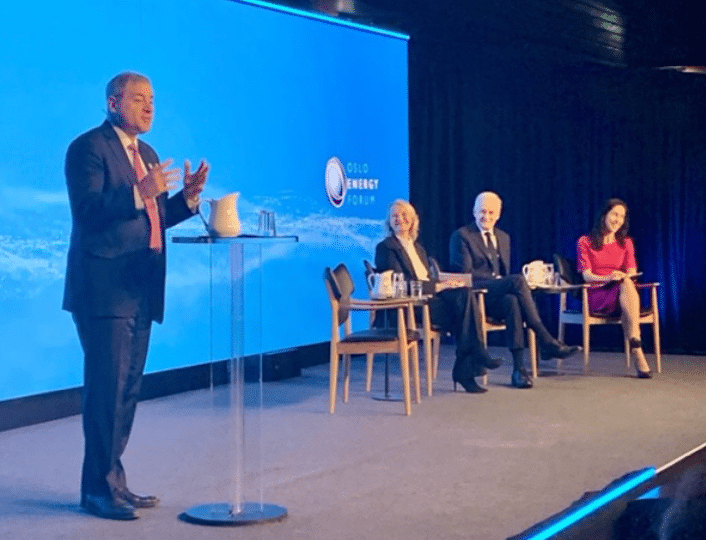
I’m en route home after a week in Europe—first at the Oslo Energy Forum and then at the Munich Security Conference. Munich generated considerable news and drama, but...
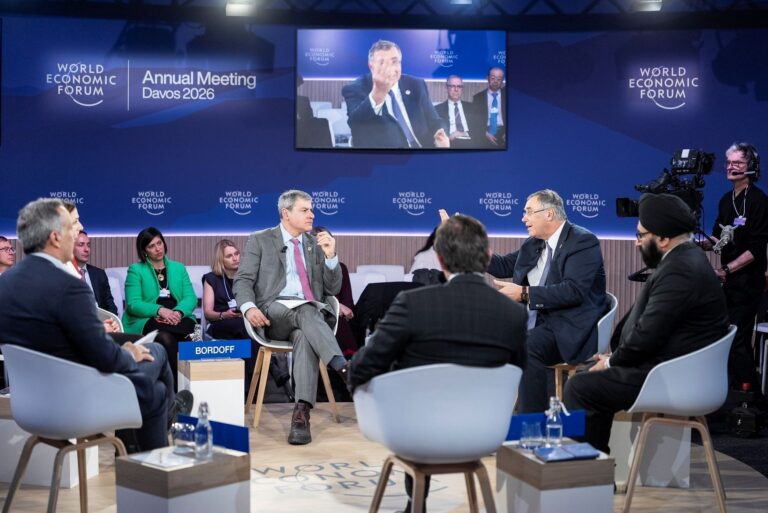
As the train pulls away from Davos Dorf station through the snow-capped Swiss mountains, I find myself reflecting on a rather extraordinary week at the World Economic Forum’s Annual Meeting in Davos. While many questioned Davos’ continuing relevance last year, it is difficult to argue that this year’s gathering was not among the most consequential in recent memory, shaped in large part by President Trump’s dominant presence throughout the week’s discussions.
The Iran war is testing the resilience of GCC states. As chokepoints become weapons and US deterrence weakens, how are Gulf countries adapting their defence, energy and connectivity policies to protect economic continuity and advance diversification?
When the Strait of Hormuz closed, China's crude imports fell steeply, cushioning the price impact on global markets.
Reporting in the New York Times suggests a key element in the Trump administration's Russia-Ukraine peace plan involves Europe resuming Russian gas imports.