This website uses cookies as well as similar tools and technologies to understand visitors’ experiences. By continuing to use this website, you consent to Columbia University’s usage of cookies and similar technologies, in accordance with the Columbia University Website Cookie Notice.
Energy Explained
Get the latest as our experts share their insights on global energy policy.
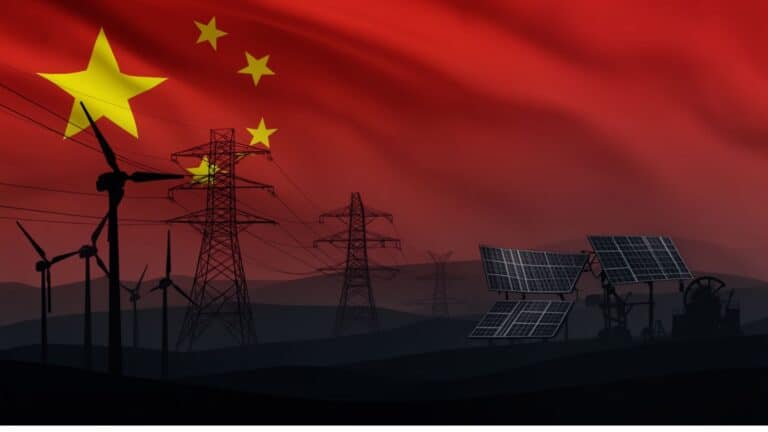
China’s Energy Powerhouse Ambitions
Two economic planning documents released at the March meeting of China's National People’s Congress include the term "energy powerhouse" for the first time.
Podcasts
Hear in-depth conversations with the world’s top energy and climate leaders from government, business, academia, and civil society.
Arctic Expert Iris Ferguson on Greenland’s Resources, Geopolitical Risks
Much of the world’s attention today is understandably focused on conflict in the Middle East, and the immediate implications for energy markets and global security. But other regions...

Guest
Frank Fannon
Founder, Fannon Global Advisors; Former Assistant Secretary of State for Energy Resources
President Donald Trump’s administration is promising an energy policy overhaul that would fundamentally reshape America’s climate and energy policies. Trump and Republican leaders have pledged to pull back from many of the Biden administration’s climate actions, including parts of the Inflation Reduction Act, and surge domestic oil and gas production and exports.
Meanwhile, global energy markets face mounting uncertainties including an escalating U.S.-China trade war, new sanctions on Russian energy and Europe’s continued dependence on Russian energy, and growing tensions between rich and poor countries over how the energy transition is unfolding. In both the United States and Europe, energy security, competitiveness, and costs are top priorities now, along with climate change. With climate targets and energy security needs often pulling in opposite directions, nations are facing difficult choices about how to balance competing priorities in an increasingly complex world.
How will energy politics and policy change under a second Trump administration? And how will shifts in U.S. policy impact global energy geopolitics?
This week host Jason Bordoff talks with Frank Fannon about what to expect from the Trump administration’s energy agenda.
Frank is the founder of Fannon Global Advisors. He previously served as America’s first Senate-confirmed assistant secretary of state for Energy Resources during the first Trump administration, where he led major energy and infrastructure initiatives across the globe, and elevated the critical role of minerals in the clean energy transition. Earlier in his career, he served as counsel to the Senate Environment and Public Works Committee.
More Episodes
Arctic Expert Iris Ferguson on Greenland’s Resources, Geopolitical Risks
Much of the world’s attention today is understandably focused on conflict in the Middle East, and the immediate implications for energy markets and global security. But other regions...
Bob McNally and Jason Bordoff on Handling an Energy Crisis
In moments of geopolitical crisis, energy is never just a backdrop. It's often at the center of the story. Today, as conflict involving Iran sends shockwaves through global...

Iran Conflict Brief: Why the UAE Is Leaving OPEC Now
It has been a tumultuous 24 hours for the global energy landscape. Yesterday, the United Arab Emirates sent shockwaves through the oil industry by announcing its withdrawal from...

The Iran Oil Shock: Will it Force the World to Re-think the Future of Energy?
In this special episode, Jason Bordoff, founding director of the Center on Global Energy Policy, sits down with Robin Pomeroy, host of the World Economic Forum podcast Radio...
Columbia Energy Exchange Podcast
• April 28, 2026

Relevant
Publications
China’s Energy Powerhouse Ambitions
Two economic planning documents released at the March meeting of China's National People’s Congress include the term "energy powerhouse" for the first time.
Energy independence could make America more aggressive
In March 2012, Israeli Prime Minister Benjamin Netanyahu arrived in Washington to press a US president on slowing Iran’s nuclear ambitions. Inside the White House, the dilemma was stark.
The Iran Shock
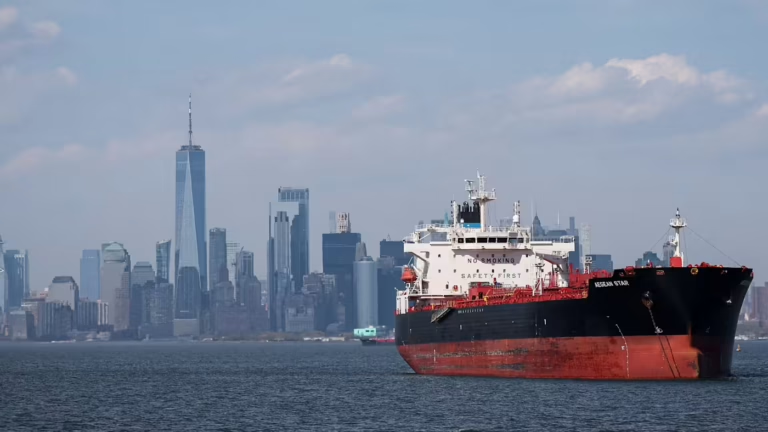
Within days of the initial U.S. and Israeli attack on Iran on February 28, 2026, the world was plunged into an energy crisis.