U.S.-Iran MOU tension points are in Lebanon, says Columbia’s Karen Young
Karen Young, Columbia University, joins 'Power Lunch' to discuss the latest agreement between the U.S. and Iran, what could terminate the MOU and much more.
Get the latest as our experts share their insights on global energy policy.
Critical minerals were once again near the top of the agenda for G7 leaders as they met in Évian, France, this week, a year after the G7 launched the Critical Minerals Action Plan.

Hear in-depth conversations with the world’s top energy and climate leaders from government, business, academia, and civil society.
Yesterday, the US and Iran signed a memorandum of understanding starting the clock on a 60-day truce. The agreement intends to halt attacks, begin lifting the US naval...
Find out more about our upcoming and past events.
This event will take place in-person in Washington DC, at the Rayburn House Office Building, Room 2168 (Gold Room). Advance registration is required. Announcing New Columbia University Publications...
Past Event
February 27, 2025
6:00 pm - 8:00 pm est
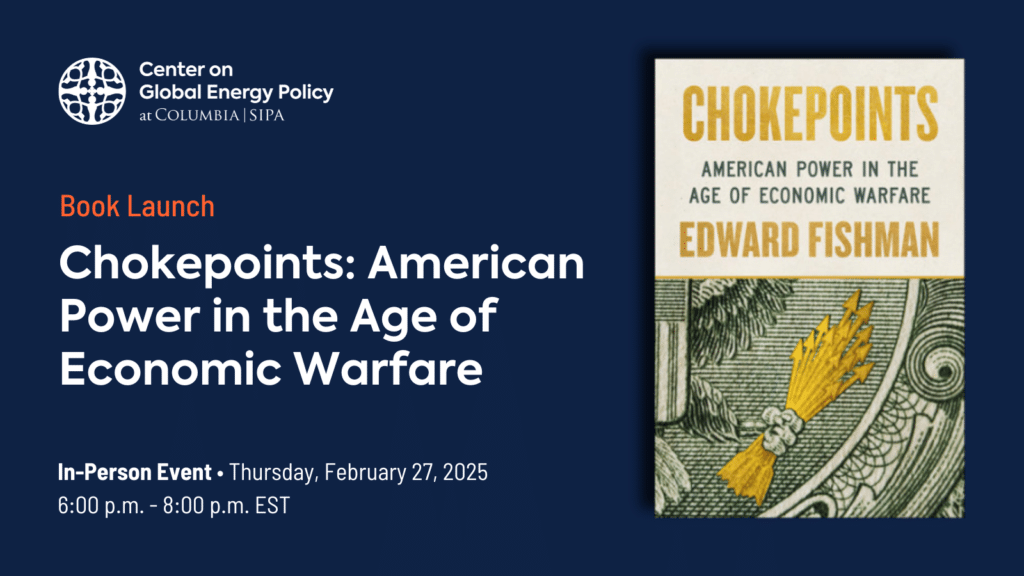
Chokepoints tells the epic story of how America turned the world economy into a weapon, upending decades of globalization to confront a new authoritarian axis—Russia, China, and Iran. In conversation with CGEP Founding Director Jason Bordoff, Fishman will discuss how control over economic chokepoints—such as the U.S. dollar, advanced microchip technology, and critical energy supply chains—has become the key to geopolitical power in the 21st century. Fishman and Bordoff will explore the evolution of U.S. sanctions, export controls, and tariffs over recent decades, and how the new Trump administration is likely to use these tools in the years ahead. This is the first event of Fishman’s book tour and will include a moderated discussion and audience Q&A followed by a book signing.
This event is open to the public and will be hosted in person in New York City.
Advance registration is required. Capacity is limited. The event will be recorded and the video recording will be added to our website following the event.
This event is open to press, and registration is required to attend. For media inquiries or requests for interviews, please contact Adam Kilduff ([email protected]).
For more information about the event, please contact [email protected].
This workshop will be conducted in two parts: Part one on February 16 from 1:00 PM to 2:00 PM EST, and Part two on February 18 from 1:00 PM to...

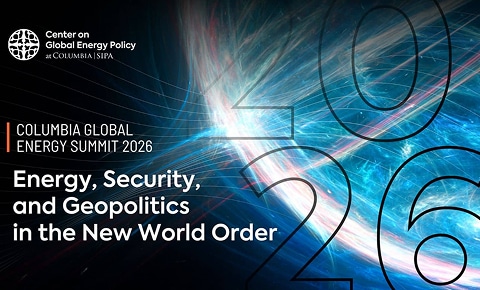
The Columbia Global Energy Summit 2026 is an annual event dedicated to thought-provoking discussions around the critical energy and climate challenges facing the global community.
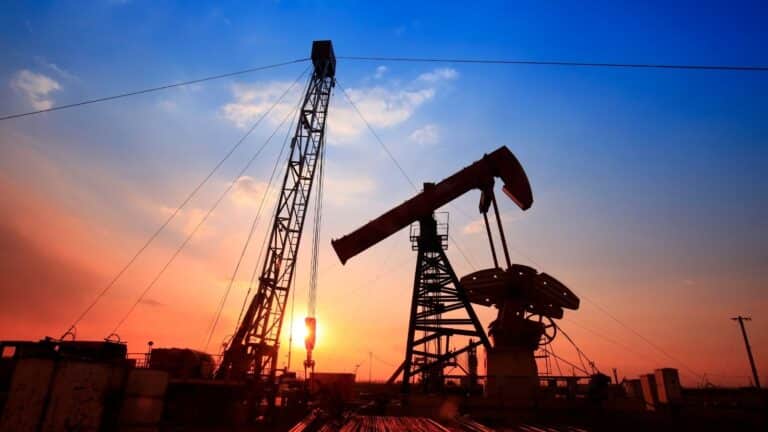
On October 22, the United States Department of the Treasury announced the imposition of sanctions on Russia’s two largest oil companies, Rosneft and Lukoil, as a penalty for what it characterized as a lack of Russian commitment to ending the war in Ukraine.

*Registration is closed for this event. The Center on Global Energy Policy at Columbia University SIPA's Women in Energy initiative, in collaboration with the Columbia Policy Institute, invites...

Project-based carbon credit markets (PCCMs) facilitate the generation, trading, and retirement of carbon credits from projects that remove, reduce, or avoid greenhouse gas emissions.
The World Bank is revisiting one of its most entrenched positions, publicly questioning its long-standing emphasis on market-led approaches in economic policy.